other
/ˈʌðər/Used to refer to people or things that are additional, different, or the second of two.
Tiếng Việt
khác
Ă-đờ
Âm 'th' phát âm bằng cách đặt lưỡi giữa hai hàm răng và đẩy hơi rung (hữu thanh). Nhấn mạnh vào âm 'Ă'.
Dùng để chỉ người hoặc vật mang tính bổ sung, khác biệt, hoặc là cái thứ hai trong bộ hai cái.
Meanings
12 meanings
1Used to refer to people or things that are additional or different to those already mentioned or known.determinerdaily life
Dùng để chỉ người hoặc vật bổ sung hoặc khác với những người/vật đã được đề cập hoặc đã biết.
“There are other ways of solving the problem.”
“Có những cách khác để giải quyết vấn đề này.”
- Mr. Harris and three other teachers were there.
- Are there any other people we should ask?
- I have no other work available at the moment.
Người Việt thường nhầm lẫn giữa 'other' và 'another'. 'Other' đi với danh từ số nhiều hoặc danh từ không đếm được khi mang nghĩa chung chung.
2Used to refer to the second of two people or things, or the opposite side or end.determinerdaily life
Dùng để chỉ người hoặc vật thứ hai trong bộ hai, hoặc phía/đầu đối diện.
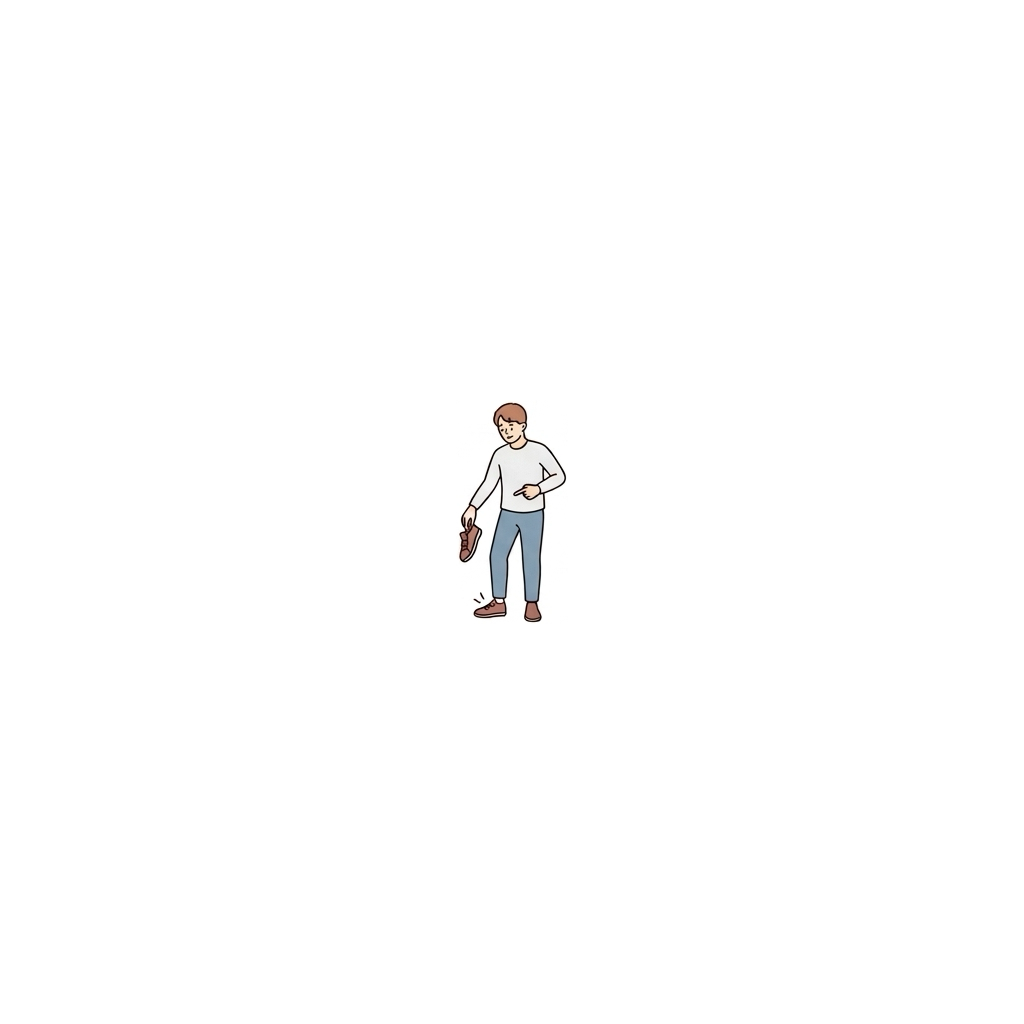
“I can't find my other shoe.”
“Tôi không tìm thấy chiếc giày còn lại của mình.”
- The pharmacy is on the other side of the street.
- Put the chair at the other end of the desk.
- My other sister is a doctor.
Khi chỉ cái còn lại trong bộ hai cái, bắt buộc phải dùng 'the other'. Ví dụ: 'the other hand' (bàn tay kia).
3Used to refer to the remaining people or things in a group.determinereducation
Dùng để chỉ những người hoặc vật còn lại trong một nhóm.
“One student was late, but all the other students were on time.”
“Một học sinh đến muộn, nhưng tất cả các học sinh còn lại đều đến đúng giờ.”
- I'll wear my other shoes—these are dirty.
- Where are the other members of the team?
'The other + danh từ số nhiều' chỉ toàn bộ những đối tượng còn lại trong một nhóm xác định.
4Used in the phrase 'the other day/night' to refer to a time in the recent past.determinercommunication
Dùng trong cụm từ 'the other day/night' để chỉ một thời điểm trong quá khứ gần đây.
“I saw him the other day in town.”
“Tôi đã gặp anh ấy hôm nọ ở trong thị trấn.”
- I woke up in the middle of the night the other night.
- We were talking about it just the other evening.
'The other day' tương đương với 'hôm nọ' hoặc 'vài ngày trước' trong tiếng Việt, không chỉ chính xác ngày nào.
5The second of two people or things, or the remaining ones from a group.pronoundaily life
Người hoặc vật thứ hai trong bộ hai, hoặc những người/vật còn lại trong một nhóm.
“One hand held the cup, and the other was in his pocket.”
“Một tay cầm chiếc cốc, còn tay kia thì đút trong túi quần.”
- Some people like the mountains, while others prefer the sea.
- I've got one earring, but I've lost the other.
- You take one, and I'll take the other.
Khi đóng vai trò đại từ số nhiều, 'other' phải thêm 's' thành 'others' nếu không có danh từ theo sau.
6Used after 'some', 'someone', or 'something' when you cannot be exact.pronounbusiness
Dùng sau 'some', 'someone', hoặc 'something' khi bạn không thể nói chính xác.
“The meeting will be in some office or other.”
“Cuộc họp sẽ diễn ra ở văn phòng nào đó (không rõ văn phòng nào).”
- We'll find someone or other to help us.
- He was complaining about something or other.
Cấu trúc 'something or other' tương đương với 'cái gì đó/vấn đề gì đó' trong tiếng Việt khi người nói không nhớ rõ hoặc không muốn chi tiết.
7Occurring as the second of two; alternate.adjectivework career
Xảy ra theo kiểu cách quãng; cứ cách một cái lại đến một cái.
“I get paid every other week.”
“Tôi được trả lương hai tuần một lần (cách tuần).”
- We meet every other Monday.
- Clean the windows every other month.
Cụm 'every other' + danh từ thời gian (day, week, month) có nghĩa là 'cách một...'. Ví dụ: 'every other day' là 'cách nhật' hoặc 'hai ngày một lần'.
8In financial contexts, referring to small amounts not listed separately.adjectivefinance
Trong bối cảnh tài chính, dùng để chỉ các khoản nhỏ không được liệt kê riêng biệt.
“The costs were listed under 'utilities' and 'other'.”
“Các khoản chi phí được liệt kê dưới mục 'tiện ích' và 'khác'.”
- Other expenses amounted to $500.
Trong các báo cáo tài chính tiếng Việt, 'Other' thường được dịch là 'Chi phí khác' hoặc 'Khoản mục khác'.
9Alien or different from what is known or familiar.adjectiveacademic
Xa lạ hoặc khác biệt so với những gì đã biết hoặc quen thuộc.
“The belief is that the Messiah is not completely other from his origins.”
“Niềm tin cho rằng Đấng Messiah không hoàn toàn khác biệt so với nguồn gốc của mình.”
Đây là nghĩa mang tính triết học, nhấn mạnh sự tách biệt hoàn toàn về bản chất.
10To view or treat a person or group as intrinsically different from and alien to oneself or one's group.verbsocial interaction
Xem hoặc đối xử với một người/nhóm người như một thực thể hoàn toàn khác biệt và xa lạ với bản thân hoặc nhóm của mình (khác biệt hóa).
“Racism often takes the form of othering people we perceive as different.”
“Phân biệt chủng tộc thường thể hiện qua việc khác biệt hóa những người mà chúng ta coi là khác mình.”
- The book was criticized for othering minority communities.
- A lot of people can relate to being othered in professional settings.
Đây là một thuật ngữ xã hội học. Trong tiếng Việt có thể dịch là 'coi là người ngoài' hoặc 'khác biệt hóa'.
11A person or thing that is different or distinct from oneself; specifically in philosophy and sociology, the 'Other'.nounacademic
Một người hoặc vật khác biệt hoặc tách biệt với bản thân; đặc biệt trong triết học và xã hội học, được gọi là 'Cái Khác'.
“The relationship between the self and the other is central to her work.”
“Mối quan hệ giữa cái tôi và cái khác là trọng tâm trong tác phẩm của cô ấy.”
- Defining the self often requires an understanding of the cultural other.
Trong các văn bản học thuật tại Việt Nam, 'the Other' thường được viết hoa là 'Cái Khác' để chỉ đối tượng đối lập với chủ thể.
12Otherwise; in a different way.adverbliterary
Khác đi; theo một cách khác.
“If you think other, remove your thought.”
“Nếu bạn nghĩ khác đi, hãy loại bỏ suy nghĩ đó.”
- He could not believe other than what he was told.
Cách dùng này khá cổ và trang trọng, ngày nay người ta thường dùng 'otherwise' thay thế.
Word bank
Synonyms
Near synonyms
Common phrases
- the other day
- every other day
- on the other hand
- some or other
- each other
- one another
- among others
- every other
- any other
- othering people
- being othered
- the significant other
- the cultural other
Grammar & forms
Grammar
- singular
- plural
- transitive
- countable
Inflections
- third_person_singular
- others
- past_simple
- othered
- past_participle
- othered
- present_participle
- othering
Usage patterns
- the other something
- my/your/his other something
- other people/things
- the other
- others
- some... others
- other somebody
Avoid mistakes
Common mistakes
I have others books.
I have other books.
When 'other' is used as a determiner before a plural noun, it does not take an 's'.
On other hand...
On the other hand...
The idiom requires the definite article 'the'.
Can I have other one?
Can I have the other one? or Can I have another one?
Use 'the other' for a specific remaining item, or 'another' for one more.
They like each others.
They like each other.
The phrase 'each other' is a fixed reciprocal pronoun and is not pluralized.
I saw him other day.
I saw him the other day.
The time expression always requires 'the'.
Don't confuse with
- another
one more or a different one (usually with singular countable nouns)
“Can I have another cup of tea?”
Use 'another' with singular; use 'other' with plural or after 'the'.
Academic collocations
Words that pair with "other" in formal and academic writing
- verb
- identifyperceiveexclude
- adjective
- significantculturalgeneralized
- noun
- othernessothers
- preposition
- thanfrom
In context
Real-world examples
- business
We need to consider other options before making a decision.
Chúng ta cần xem xét các phương án khác trước khi đưa ra quyết định.
Trong môi trường công sở Việt Nam, việc đưa ra nhiều lựa chọn (options) là bước quan trọng trước khi trình lãnh đạo.
- academic
The other student in my class is very helpful.
Bạn học còn lại trong lớp tôi rất hay giúp đỡ mọi người.
Tính cộng đồng và giúp đỡ lẫn nhau trong học tập là nét văn hóa phổ biến tại các trường học Việt Nam.
- daily life
Can you give me the other book on the table?
Bạn đưa cho tôi quyển sách còn lại trên bàn được không?
Dùng 'the other' để chỉ đích danh vật còn lại trong tầm mắt, rất phổ biến trong giao tiếp hàng ngày.
Notes for Vietnamese speakers
- Trong tiếng Việt, 'other' có thể dịch là 'khác' hoặc 'còn lại' tùy vào ngữ cảnh xác định hay không.
- Người Việt thường dùng 'người khác' để chỉ những người không liên quan đến mình, đôi khi mang hàm ý giữ khoảng cách.
- Cụm từ 'significant other' (người yêu/vợ/chồng) trong tiếng Anh không có cụm từ tương đương trực tiếp ngắn gọn trong tiếng Việt, thường được dịch là 'nửa kia'.
Etymology
From Old English 'ōther' (second, other), of Germanic origin; related to Dutch 'ander' and German 'ander'. The primary sense of 'second' was largely replaced by 'other' after the adoption of 'second' from French. Source: Oxford Dictionary of English Etymology.
Exam levels
IELTS
4.0
CEFR
A1
TOEIC
0-250
More in Vietnamese
- TFlat Dictionary (Soha)
Từ điển Soha cung cấp nhiều ví dụ và các cách kết hợp từ (collocations) phổ biến.
- Cambridge English–Vietnamese Dictionary
Nghĩa tiếng Việt kèm ví dụ từ Cambridge Dictionary.
- VDict (Anh–Việt)
Từ điển Anh–Việt với ví dụ song ngữ.