pain
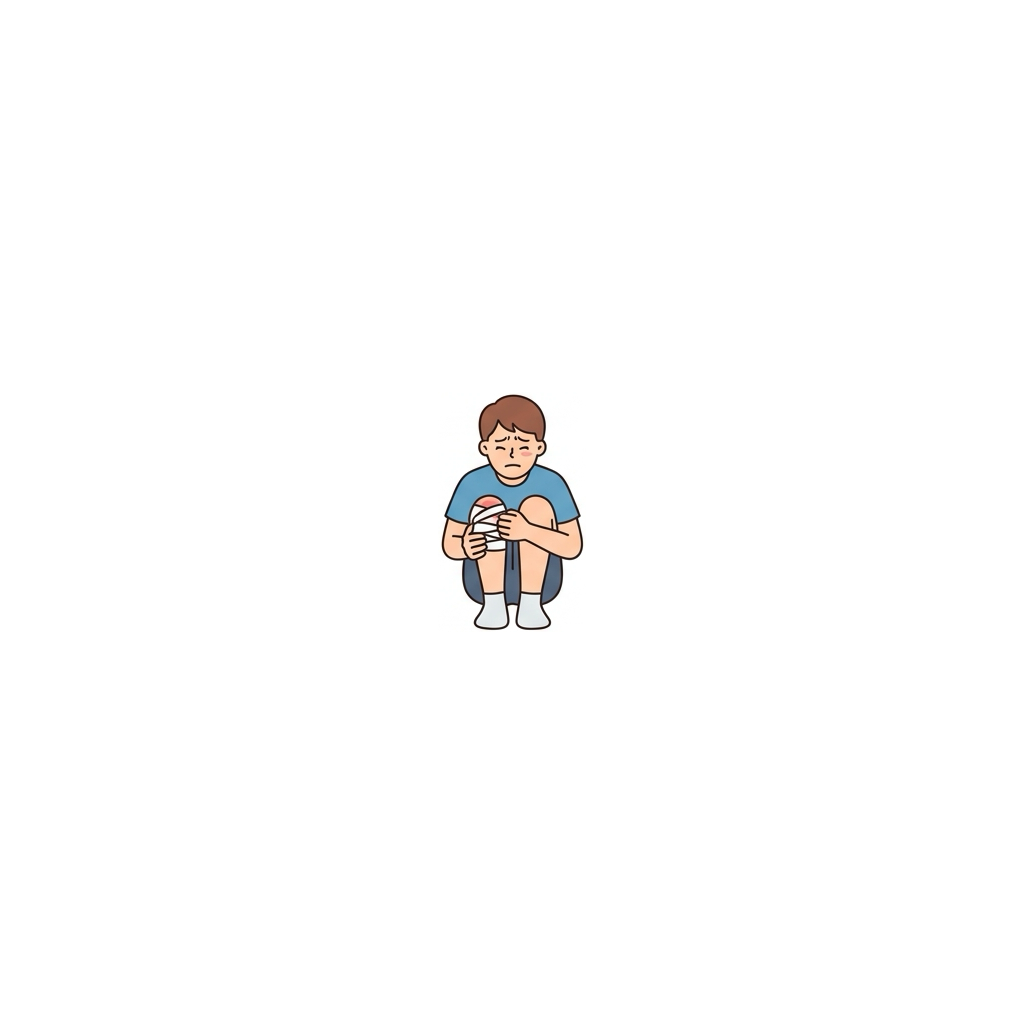
/peɪn/A feeling of physical suffering caused by injury or illness, or a feeling of being very upset or unhappy.
Tiếng Việt
đau, sự đau đớn
pê-in
Phát âm giống âm 'pê' nhưng kéo dài và kết thúc bằng âm 'n' nhẹ, không đọc thành 'pên' thuần túy.
Cảm giác đau đớn về thể xác do chấn thương hoặc bệnh tật, hoặc cảm giác cực kỳ buồn phiền, đau khổ về tinh thần.
Meanings
6 meanings
1The unpleasant physical feeling that you have in your body when you have been hurt or when you are ill.nounhealth
Cảm giác khó chịu về thể xác mà bạn cảm thấy trong cơ thể khi bị thương hoặc khi bị ốm.
“The doctor gave him some medicine to ease the pain.”
“Bác sĩ đã cho anh ấy một ít thuốc để làm dịu cơn đau.”
- His face was contorted with pain as he crossed the finish line.
- If the pain persists, see your doctor.
- I have a very low threshold for pain.
- She had a burning pain in one eye.
Dùng 'ease/relieve/alleviate the pain' để nói về việc làm giảm đau. 'Have a pain' thường dùng cho đau ở một vị trí cụ thể.
2A feeling of great unhappiness or mental/emotional suffering.nounemotions
Cảm giác vô cùng bất hạnh hoặc đau khổ về mặt tinh thần/cảm xúc.
“Nothing could heal the pain of her son's death.”
“Không gì có thể xoa dịu nỗi đau trước cái chết của con trai bà.”
- Ellen saw the pain etched on his face when he mentioned his ex-wife's name.
- I could sense her pain and put my arm around her.
- The government has to persuade the people that the economic reforms are worth the pain.
- It was lovely to have someone there to share both the pain and the joy.
Trong tiếng Việt, 'pain' ở đây tương đương với 'nỗi đau' hoặc 'sự đau khổ'.
3A person or thing that is very annoying or causes trouble.nounsocial interaction
Một người hoặc một vật gây khó chịu hoặc gây rắc rối.
“That man is a real pain in the neck!”
“Gã đó đúng là một kẻ gây phiền toái vô cùng!”
- She can be a real pain when she's in a bad mood.
- It’s a pain having to go all the way back to the office.
- My little brother is such a pain.
Đây là cách dùng không trang trọng. Cụm 'pain in the neck' (hoặc 'pain in the butt' ở Mỹ) rất phổ biến để chỉ ai đó/cái gì đó phiền phức.
4Great care or effort taken in doing something.nounwork career
Sự cẩn thận hoặc nỗ lực rất lớn khi làm việc gì đó.
“He took great pains to explain the situation to us.”
“Anh ấy đã rất dày công để giải thích tình hình cho chúng tôi.”
- The author has gone to great pains to be as accurate as possible.
- She was at pains to emphasize that the decision was not hers alone.
Lưu ý luôn dùng ở dạng số nhiều 'pains' trong cấu trúc 'take pains to do something'. Tương đương với 'dày công' hoặc 'chịu khó' trong tiếng Việt.
5Used in the context of a legal or formal threat of punishment if an order is not obeyed.nounpolitics
Được dùng trong ngữ cảnh đe dọa trừng phạt pháp lý hoặc chính thức nếu không tuân lệnh.
“They were required to cut pollution levels, on pain of a heavy fine if they disobeyed.”
“Họ được yêu cầu cắt giảm mức độ ô nhiễm, nếu không sẽ bị phạt nặng.”
Cụm 'on pain of...' là một cách nói trang trọng, có nghĩa là 'nếu không sẽ bị (hình phạt gì đó)'.
6To cause someone to feel unhappy, upset, or distressed.verbemotions
Làm cho ai đó cảm thấy buồn, thất vọng hoặc đau khổ.
“It pained her to see how much her father had aged.”
“Cô ấy cảm thấy đau lòng khi thấy cha mình đã già đi nhiều như thế nào.”
- She was deeply pained by the accusation.
- It pains me to see animals being mistreated.
- His pained expression showed how much he regretted his words.
Đây là ngoại động từ, bắt buộc phải có tân ngữ đi kèm (ví dụ: it pains ME, it pains HER).
Word bank
Common phrases
- acute pain
- chronic pain
- sharp pain
- relieve pain
- inflict pain
- endure pain
- chest pains
- abdominal pain
- deeply pained
- visibly pained
- pained look
- pained expression
Grammar & forms
Grammar
- countable
- uncountable
- transitive
Inflections
- plural
- pains
- third_person_singular
- pains
- past_simple
- pained
- past_participle
- pained
- present_participle
- paining
Word family
Usage patterns
- pain in something
- in pain
- the pain of something
- take pains to do something
- it pains somebody to do something
- be pained by something
- be pained to see/hear
Avoid mistakes
Common mistakes
I feel pain in my leg.
I have a pain in my leg.
When describing a specific physical sensation in a body part, we usually use 'have a pain' (countable) rather than just 'feel pain'.
It pains to see him like this.
It pains me to see him like this.
The verb 'pain' is transitive; it must have an object (who is being pained).
He is a pain of the neck.
He is a pain in the neck.
The idiom specifically uses the preposition 'in'.
No pains, no gains.
No pain, no gain.
This is a fixed idiom where both 'pain' and 'gain' are singular/uncountable.
She took pain with her work.
She took pains with her work.
In the sense of 'taking care/effort', the noun must be plural: 'take pains'.
Don't confuse with
- pane
a single sheet of glass in a window
“He broke a pane of glass while playing ball.”
Homophone: 'pain' is suffering, 'pane' is part of a window.
Academic collocations
Words that pair with "pain" in formal and academic writing
- verb
- experiencealleviatesufferreport
- adjective
- acutechronicintensepersistent
- noun
- managementreliefthresholdperception
- preposition
- inofwith
In context
Real-world examples
- daily life
I have a sharp pain in my lower back after sitting for too long.
Tôi bị đau nhói ở thắt lưng sau khi ngồi quá lâu.
Rất phổ biến trong đời sống hàng ngày, đặc biệt là với giới văn phòng tại Việt Nam.
- business
It pains me to see so many small businesses struggling during the economic downturn.
Tôi rất đau lòng khi chứng kiến nhiều doanh nghiệp nhỏ gặp khó khăn trong thời kỳ suy thoái kinh tế.
Sử dụng động từ 'pain' trong ngữ cảnh trang trọng để thể hiện sự cảm thông trong kinh doanh.
- academic
Chronic pain management has become a significant focus in modern medical research.
Quản lý đau mãn tính đã trở thành một trọng tâm trong nghiên cứu y học hiện đại.
Phù hợp cho sinh viên ngành y hoặc khi đọc các tài liệu khoa học bằng tiếng Anh.
Notes for Vietnamese speakers
- Trong văn hóa Việt Nam, từ 'đau' không chỉ dùng cho thể xác mà còn dùng rất nhiều cho cảm xúc (đau lòng, đau khổ).
- Thành ngữ 'No pain, no gain' thường được dịch tương đương với 'Có công mài sắt, có ngày nên kim' hoặc 'Thất bại là mẹ thành công' tùy ngữ cảnh, nhấn mạnh sự nỗ lực.
- Người Việt thường dùng 'đau' kèm theo vị trí bộ phận cơ thể (đau đầu, đau bụng) tương tự cấu trúc 'pain in...'
Etymology
Middle English: from Old French peine, from Latin poena meaning 'penalty' or 'punishment'. This reflects the historical association between physical suffering and judicial punishment (source: Oxford Dictionary of English Etymology).
Exam levels
CEFR
A2
TOEIC
255-400
More in Vietnamese
- TFlat Dictionary (Soha)
Cung cấp nhiều ví dụ và các từ đồng nghĩa trong tiếng Việt.
- Cambridge English–Vietnamese Dictionary
Nghĩa tiếng Việt kèm ví dụ từ Cambridge Dictionary.
- VDict (Anh–Việt)
Từ điển Anh–Việt với ví dụ song ngữ.