backward
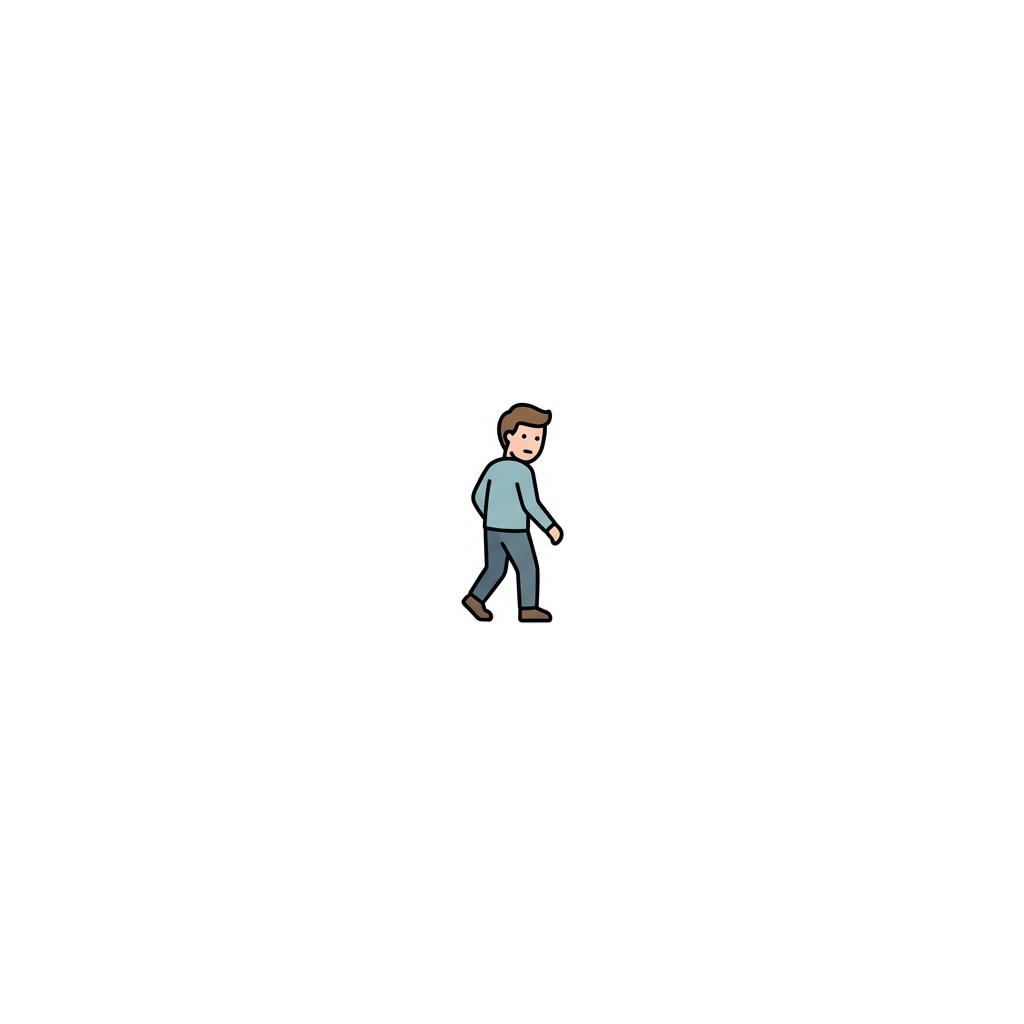
/ˈbækwərd/Directed or moving towards the back, or in reverse.
Tiếng Việt
về phía sau / lạc hậu
BÁC-uợt
Nhấn mạnh âm tiết đầu 'BÁC', âm tiết sau 'uợt' đọc nhẹ và lướt, chú ý âm cuối 'd' bật nhẹ.
Hướng về hoặc di chuyển về phía sau, hoặc theo chiều ngược lại.
Meanings
11 meanings
1Directed or moving towards the back.adjectivegeneral
Hướng về hoặc di chuyển về phía sau.
“She strode past him without a backward glance.”
“Cô ấy sải bước qua mặt anh ta mà không hề ngoái nhìn lại.”
- He did a terrific backward somersault.
Cụm từ 'a backward glance' (một cái ngoái nhìn lại) rất hay được dùng trong văn học hoặc văn phong kể chuyện.
2Moving in a direction that means that no progress is being made.adjectivegeneral
Di chuyển theo hướng không tạo ra sự tiến bộ (bước lùi).
“She felt that going back to live in her home town would be a backward step.”
“Cô ấy cảm thấy việc quay về sống ở quê nhà sẽ là một bước lùi.”
Dùng 'a backward step' để chỉ một quyết định hoặc hành động làm tình hình tệ đi, tương đương với 'bước lùi' trong tiếng Việt.
3Having made less progress than normal; developing slowly.adjectivegeneral
Kém phát triển hơn bình thường; phát triển chậm (lạc hậu).
“They live in a backward part of the country, with no paved roads and no electricity.”
“Họ sống ở một vùng lạc hậu của đất nước, không có đường nhựa và không có điện.”
- The state needs to reform its backward election laws.
Lưu ý từ này mang sắc thái xúc phạm (offensive) khi dùng cho người hoặc quốc gia. Trong tiếng Việt thường dịch là 'lạc hậu' hoặc 'kém phát triển'.
4Slow to learn; finding it difficult to make progress in learning.adjectiveeducation
Chậm tiếp thu; gặp khó khăn trong việc học tập.
“He was considered a backward child by his early teachers.”
“Cậu bé từng bị các giáo viên cũ coi là một đứa trẻ chậm phát triển.”
Cách dùng này đã lỗi thời (old-fashioned) và mang tính miệt thị. Ngày nay, người ta ưu tiên dùng 'learning difficulties' (khó khăn trong học tập).
5Towards a place or position that is behind.adverbgeneral
Về phía một nơi hoặc vị trí ở đằng sau.
“I lost my balance and fell backward.”
“Tôi mất thăng bằng và ngã ngửa ra sau.”
- He took a step backward.
Khi đóng vai trò trạng từ, người Anh (UK) thường dùng 'backwards' (có 's'), trong khi người Mỹ (US) dùng 'backward'.
6In the opposite direction to the usual one.adverbgeneral
Theo hướng ngược lại với hướng thông thường (ngược).
“In the movie they take a journey backward through time.”
“Trong phim, họ thực hiện một chuyến du hành ngược thời gian.”
- He began counting backward: 'Ten, nine, eight...'
Thường dùng với các động từ như count (đếm ngược), spell (đánh vần ngược), journey (du hành ngược).
7Towards a worse state.adverbgeneral
Hướng tới một tình trạng tồi tệ hơn (thụt lùi).
“I felt that going to live with my parents would be a step backward.”
“Tôi cảm thấy việc về sống cùng bố mẹ sẽ là một sự thụt lùi.”
Nghĩa bóng chỉ sự đi xuống về mặt chất lượng, sự nghiệp hoặc cuộc sống.
8With the back part at the front (of clothing).adverbdaily life
Mặc ngược (mặt sau lộn ra trước).
“You've put your shirt on backward.”
“Bạn mặc ngược áo sơ mi rồi kìa.”
Rất phổ biến trong giao tiếp hàng ngày khi nói về việc mặc quần áo sai mặt trước/sau.
9From one place or position to another and back again many times.adverbgeneral
Từ vị trí này sang vị trí khác và ngược lại nhiều lần (tới lui).
“She rocked backward and forward on her chair.”
“Cô ấy đu đưa tới lui trên ghế.”
- She was skating around the rink, backward and forward.
Cụm từ 'backward and forward' (hoặc 'backwards and forwards') tương đương với 'tới lui' hoặc 'qua lại' trong tiếng Việt.
10The state behind or past.nounliterary
Trạng thái ở phía sau hoặc quá khứ.
“He looked into the backward of time.”
“Ông ấy nhìn vào quá khứ của thời gian.”
Đây là cách dùng trong văn chương (literary), rất hiếm gặp trong giao tiếp hàng ngày. Dịch thoát ý là 'quá khứ'.
11To keep back, to delay, or to retard.verbgeneral
Giữ lại, trì hoãn hoặc làm chậm lại.
“The unexpected frost backwarded the growth of the spring crops.”
“Đợt sương giá bất ngờ đã làm chậm sự phát triển của vụ mùa mùa xuân.”
Cách dùng như một động từ đã rất cũ (old-fashioned). Ngày nay người ta thường dùng 'delay' hoặc 'hold back' thay thế.
Word bank
Synonyms
Near synonyms
Common phrases
- backward glance
- backward step
- backward somersault
- seem backward
- fall backward
- step backward
- look backward
- bend over backward
Grammar & forms
Grammar
- uncountable
- transitive
Inflections
- third_person_singular
- backwards
- past_simple
- backwarded
- past_participle
- backwarded
- present_participle
- backwarding
Word family
- backwardlyadverb
- backwardnessnoun
Usage patterns
- a backward glance
- a backward step
- move backward
- look backward
- backward something
Avoid mistakes
Common mistakes
He took a backwards step.
He took a backward step.
When used as an adjective before a noun, it is always 'backward', never 'backwards'.
She looked backwardly.
She looked backward.
'Backward' (or 'backwards') is the correct adverb form; 'backwardly' is rarely used for physical direction.
The car moved backwardly.
The car moved backward.
Use 'backward' or 'backwards' to indicate the direction of movement.
He is a backward student.
He is a student with learning difficulties.
Using 'backward' to describe people who are slow to learn is considered offensive and old-fashioned.
I know the rules backwards and forwards.
I know the rules backward and forward.
In US English, the standard idiom is 'backward and forward' without the 's'.
Don't confuse with
- backwards
The adverbial form of backward, preferred in UK English
“He took a step backwards.”
In UK English, use 'backwards' for the adverb and 'backward' for the adjective. In US English, 'backward' is used for both.
Academic collocations
Words that pair with "backward" in formal and academic writing
- verb
- takemovesteplook
- adjective
- backward
- noun
- glancestepsomersaultmovement
- preposition
- withouttowards
In context
Real-world examples
- daily life
He took a step backward to let the elderly woman pass.
Anh ấy lùi lại một bước để nhường đường cho cụ bà.
Thể hiện sự tôn trọng người lớn tuổi, một nét văn hóa quan trọng và phép lịch sự tối thiểu ở Việt Nam.
- business
The company's decision to use older technology is a backward step.
Quyết định sử dụng công nghệ cũ của công ty là một bước lùi.
Trong môi trường kinh doanh đang phát triển nhanh tại Việt Nam, việc áp dụng công nghệ mới rất được chú trọng để duy trì tính cạnh tranh.
- academic
Some rural areas are still economically backward.
Một số vùng nông thôn vẫn còn lạc hậu về mặt kinh tế.
Thường dùng trong các bài luận địa lý hoặc kinh tế xã hội tại Việt Nam khi nói về sự chênh lệch phát triển giữa các vùng miền.
- education
Can you say the alphabet backward?
Bạn có thể đọc ngược bảng chữ cái không?
Một trò chơi hoặc bài tập thử thách trí não phổ biến cho trẻ em trong môi trường giáo dục.
Notes for Vietnamese speakers
- Khi dùng 'backward' để chỉ người (chậm phát triển, lạc hậu), trong tiếng Việt hiện đại từ này mang sắc thái khá nặng nề và dễ gây xúc phạm. Nên dùng các từ nói giảm nói tránh như 'gặp khó khăn trong học tập' hoặc 'chậm tiếp thu'.
- Trong văn cảnh kinh tế - xã hội, 'backward' thường được dịch là 'lạc hậu' (ví dụ: công nghệ lạc hậu, vùng sâu vùng xa lạc hậu), đây là cách dùng phổ biến trên các phương tiện truyền thông Việt Nam.
Etymology
From Middle English bakward, equivalent to back + -ward. Developed in the 14th century to indicate direction towards the rear.
Exam levels
IELTS
6.0
CEFR
B1
TOEIC
505-600
More in Vietnamese
- Cambridge English–Vietnamese Dictionary
Nghĩa tiếng Việt kèm ví dụ từ Cambridge Dictionary.
- VDict (Anh–Việt)
Từ điển Anh–Việt với ví dụ song ngữ.