all
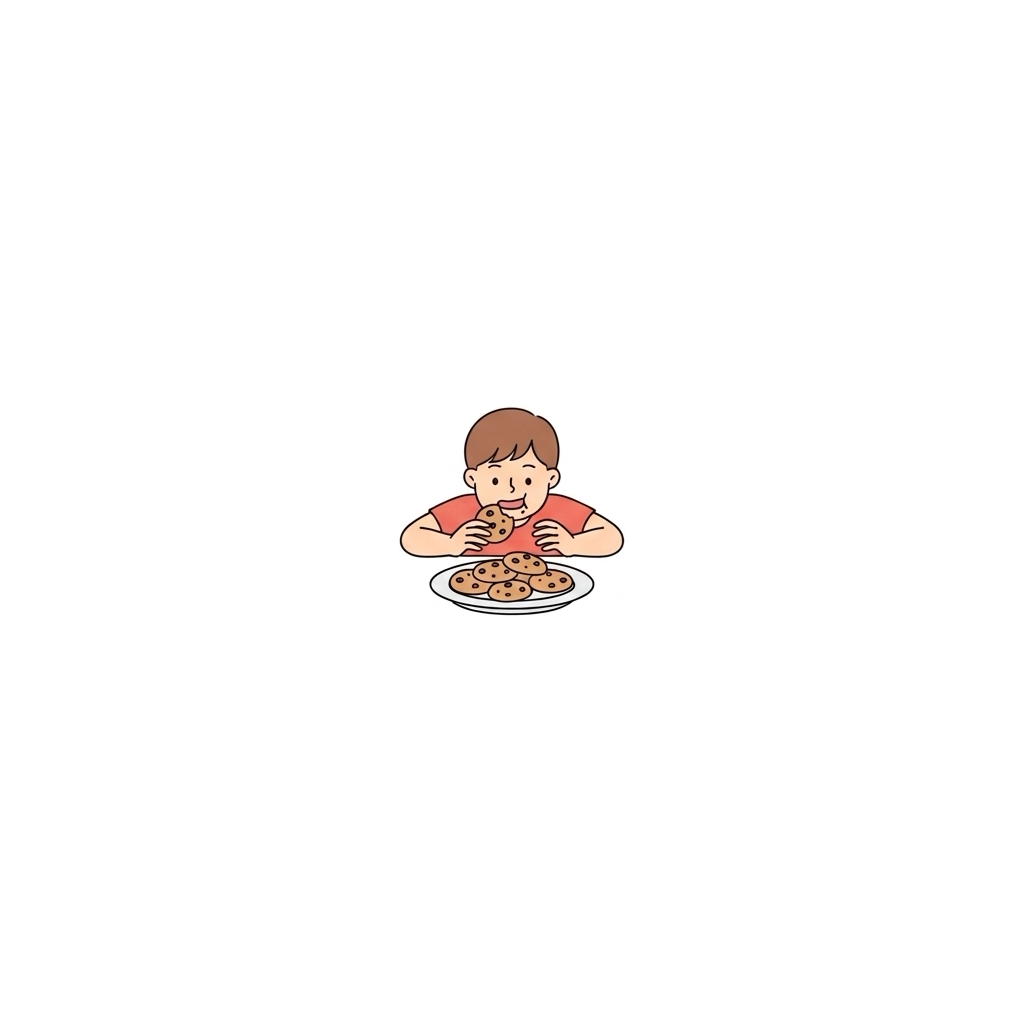
/ɔːl/Used to refer to the whole amount, quantity, or extent of a group, thing, or period of time.
Tiếng Việt
tất cả
O-lờ
Phát âm giống âm 'o' dài trong tiếng Việt nhưng tròn môi hơn, kết thúc bằng cách đưa đầu lưỡi chạm nướu hàm trên (âm l).
Dùng để chỉ toàn bộ số lượng, khối lượng hoặc mức độ của một nhóm, một vật hoặc một khoảng thời gian.
Meanings
17 meanings
1The whole number or amount of something; every one of a group.determinergeneral
Toàn bộ số lượng hoặc khối lượng của cái gì đó; mọi thành viên trong một nhóm.
“All horses are animals, but not all animals are horses.”
“Tất cả ngựa đều là động vật, nhưng không phải tất cả động vật đều là ngựa.”
- All animals have to eat in order to live.
- Did you drink all the milk?
- All my friends agree.
Lưu ý 'all' đi với danh từ số nhiều (horses). Người Việt hay nhầm lẫn dùng danh từ số ít sau 'all'.
2Used with singular nouns to show that something has been happening for a whole period of time.determinerdaily life
Dùng với danh từ số ít để chỉ một việc gì đó diễn ra trong suốt một khoảng thời gian.
“They have worked hard all year.”
“Họ đã làm việc chăm chỉ suốt cả năm.”
- I've been trying all day to contact you.
- He stayed in bed all morning.
Khi dùng với thời gian (day, week, year), 'all' có nghĩa là 'suốt cả'. Đừng nhầm với 'every' (mỗi).
3The greatest possible amount of a quality.determinercommunication
Mức độ cao nhất có thể của một phẩm chất.
“In all honesty, I can't agree.”
“Thực lòng mà nói, tôi không thể đồng ý.”
- She made every effort with all due respect.
- With all speed, they departed.
Thường dùng trong các cụm từ cố định như 'in all honesty' (thành thật mà nói) hoặc 'with all due respect' (với tất cả sự tôn trọng).
4Consisting or appearing to consist of one thing only.determinergeneral
Bao gồm hoặc có vẻ như chỉ bao gồm một thứ duy nhất.
“The magazine was all advertisements.”
“Tạp chí đó toàn là quảng cáo.”
- She was all smiles when she heard the news.
- The ground was all mud after the rain.
Cấu trúc 'be all + noun' dùng để nhấn mạnh sự tràn ngập của một thứ gì đó.
5Any whatever; used to emphasize a total denial.determinergeneral
Bất cứ cái gì; dùng để nhấn mạnh sự phủ nhận hoàn toàn.
“He denied all knowledge of the crime.”
“Anh ta phủ nhận hoàn toàn việc biết về vụ tội phạm.”
- I have all the information I need.
- She lost all interest in the project.
'All' ở đây mang nghĩa phủ định sạch trơn, tương đương với 'không một chút nào'.
6The whole number or amount; everything or everyone.pronoungeneral
Toàn bộ số lượng hoặc khối lượng; mọi thứ hoặc mọi người.
“All of the food has gone.”
“Tất cả thức ăn đã hết sạch.”
- All are welcome to attend.
- She gave her all to the performance.
- Is that all?
Khi làm đại từ, 'all' có thể đi với 'of'. Nếu danh từ sau đó là không đếm được, động từ chia số ít.
7The only thing; everything that matters.pronounemotions
Điều duy nhất; mọi thứ quan trọng.
“All I want is peace and quiet.”
“Tất cả những gì tôi muốn là sự bình yên và tĩnh lặng.”
- Speed is all that matters in this race.
- All I'm saying is that we should be careful.
Cấu trúc 'All + mệnh đề + is...' thường dùng để nhấn mạnh mong muốn duy nhất.
8Used in the phrase 'after all' to mean despite what was expected or as a reason.pronouncommunication
Dùng trong cụm từ 'after all' nghĩa là bất kể điều gì đã mong đợi hoặc dùng để đưa ra một lý do.
“So you made it after all!”
“Vậy là cuối cùng bạn cũng làm được rồi!”
- He should have paid; he suggested it, after all.
- Maybe she was right after all.
'After all' có hai nghĩa phổ biến: 'cuối cùng thì' (kết quả bất ngờ) và 'xét cho cùng' (giải thích lý do).
9Completely; entirely.adverbdaily life
Hoàn toàn; trọn vẹn.
“She was dressed all in white.”
“Cô ấy mặc đồ trắng toàn tập.”
- The milk is all gone.
- Is the work all finished?
Ở dạng trạng từ, 'all' bổ nghĩa cho tính từ hoặc trạng từ khác để nhấn mạnh mức độ tối đa.
10Used in sports to mean for each side or apiece.adverbsports
Dùng trong thể thao để chỉ điểm số đều cho mỗi bên.
“The score was four all.”
“Tỷ số là bốn đều.”
- It was fifteen all in the first set.
- The game ended two all.
Trong tiếng Việt, chúng ta dùng từ 'đều' sau con số để diễn đạt ý này.
11Very; extremely (informal).adverbinformal
Rất; cực kỳ (thân mật).
“She was all excited about the trip.”
“Cô ấy cứ cuống quýt cả lên vì chuyến đi.”
- Don't get all upset over nothing.
- He was all over the news.
Đây là cách nói khẩu ngữ, dùng để nhấn mạnh cảm xúc mạnh mẽ của chủ thể.
12Almost; very nearly.adverbgeneral
Gần như; suýt soát.
“The party was all but over when we arrived.”
“Bữa tiệc gần như đã kết thúc khi chúng tôi đến.”
- It was all but impossible to see.
- The task is all but complete.
Cụm 'all but' mang nghĩa là 'hầu như', 'suýt nữa thì'. Cần tránh nhầm lẫn với nghĩa phủ định.
13Everything that a person is capable of doing; one's whole strength or resources.noungeneral
Mọi thứ mà một người có thể làm; toàn bộ sức lực hoặc nguồn lực của ai đó.
“They gave their all in the fight for independence.”
“Họ đã cống hiến tất cả sức mình trong cuộc đấu tranh giành độc lập.”
- He gave his all to the team.
- She risked her all on the venture.
Thường dùng trong các ngữ cảnh trang trọng hoặc truyền cảm hứng để nói về sự nỗ lực tối đa.
14The totality of one's possessions.noundaily life
Toàn bộ tài sản của ai đó.
“The fire destroyed their all.”
“Vụ hỏa hoạn đã thiêu rụi toàn bộ gia sản của họ.”
Cách dùng này hơi cổ hoặc mang tính văn chương, nhấn mạnh vào sự mất mát hoàn toàn.
15Every one of; the complete number of (used before numerals).adjectivegeneral
Mỗi một; toàn bộ số lượng (dùng trước số đếm).
“All four of her children are under six.”
“Cả bốn đứa con của cô ấy đều dưới sáu tuổi.”
- All ten players were on the field.
- All both of them were there.
Trong tiếng Việt, khi dịch 'all' trước số đếm, ta thường dùng từ 'cả' (ví dụ: cả hai, cả ba).
16In Pennsylvania dialect: finished, gone, or dead.adjectivegeneral
Trong phương ngữ Pennsylvania: đã kết thúc, đã hết, hoặc đã chết.
“The bread is all.”
“Bánh mì hết rồi.”
Đây là cách dùng rất đặc thù theo vùng miền, hiếm gặp trong tiếng Anh chuẩn (Standard English). [VERIFY_CULTURE]
17Although or even though.conjunctionliterary
Mặc dù hoặc dẫu cho.
“Came with them eke, all they were wondrous loth.”
“Cũng đi cùng họ, mặc dù họ cực kỳ miễn cưỡng.”
Nghĩa này rất cũ và chỉ xuất hiện trong văn học cổ. Người học hiện đại không nên sử dụng.
Word bank
Grammar & forms
Grammar
- uncountable
- plural
- singular
Word family
- allnessnoun
Usage patterns
- all the something
- all of something
- all honesty
- all year
Avoid mistakes
Common mistakes
The all people are here.
All the people are here.
'All' usually comes before the article 'the'.
I worked every day last week.
I worked all day yesterday.
Use 'all day' for one full day, 'every day' for multiple days.
All is well.
Everything is well.
While 'All is well' is a set phrase, 'everything' is more common as a subject in modern English.
All of my friends is here.
All of my friends are here.
'All' with plural nouns takes a plural verb.
Not all of milk is gone.
Not all the milk is gone.
Specific uncountable nouns need 'the' after 'all'.
Don't confuse with
- every
Referring to all members of a group considered individually.
“Every student must attend.”
Use 'all' with plural nouns (all students) and 'every' with singular nouns (every student).
- whole
The entire amount of a single thing.
“I ate the whole pizza.”
Use 'the whole' for one item, 'all the' for plural or uncountable items.
Academic collocations
Words that pair with "all" in formal and academic writing
- adjective
- all-encompassingall-importantall-inclusive
- noun
- all membersall aspectsall participants
- preposition
- of allin allfor all
In context
Real-world examples
- daily life
All the family members gathered for the Tet holiday.
Tất cả các thành viên trong gia đình đã sum họp trong dịp Tết.
Gia đình và sự sum họp là giá trị cốt lõi trong văn hóa Việt Nam, đặc biệt là vào dịp Tết Nguyên Đán.
- business
All employees are required to attend the meeting at 9 AM.
Tất cả nhân viên phải tham dự cuộc họp vào lúc 9 giờ sáng.
Tính kỷ luật và sự đúng giờ trong môi trường công sở hiện đại tại Việt Nam.
- academic
All students must submit their assignments by Friday.
Tất cả sinh viên phải nộp bài tập trước thứ Sáu.
Nhấn mạnh vào tính trách nhiệm trong học tập, một khía cạnh được coi trọng trong giáo dục Việt Nam.
Notes for Vietnamese speakers
- Trong tiếng Việt, 'tất cả' thường đứng trước danh từ để chỉ sự toàn thể. Người Việt cũng thường dùng thêm từ 'hết' ở cuối câu để nhấn mạnh (ví dụ: 'Ăn hết tất cả').
- Khi nói về gia đình hoặc tập thể, việc dùng 'tất cả' thể hiện sự đoàn kết và không bỏ sót ai, vốn rất quan trọng trong văn hóa cộng đồng tại Việt Nam.
Etymology
From Middle English 'al', from Old English 'eall', from Proto-West Germanic 'all'. It has cognates in Old Saxon 'all', Old High German 'al' (German 'all'), and Old Norse 'allr'. The primary sense has always been 'whole' or 'every'. (Source: Oxford Dictionary of English Etymology)
Exam levels
IELTS
4.0
CEFR
A1
TOEIC
0-250
More in Vietnamese
- TFlat Dictionary (Soha)
Cung cấp nhiều ví dụ thực tế và các cụm từ liên quan.
- Cambridge English–Vietnamese Dictionary
Nghĩa tiếng Việt kèm ví dụ từ Cambridge Dictionary.
- VDict (Anh–Việt)
Từ điển Anh–Việt với ví dụ song ngữ.