accident
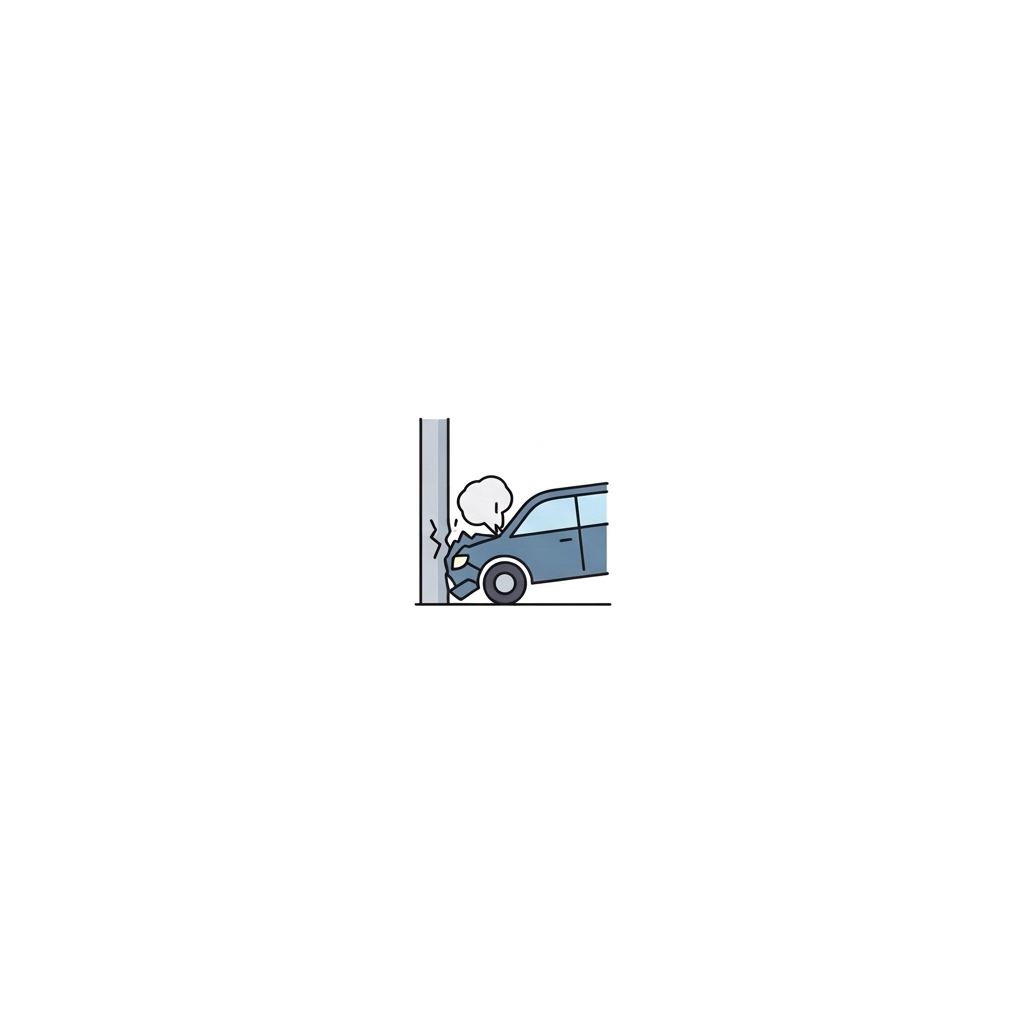
/ˈæksɪdənt/An unpleasant event, especially in a vehicle, that happens unexpectedly and causes injury or damage
Tiếng Việt
tai nạn
ÁC-xi-đần-t
Nhấn mạnh âm ÁC, âm 'đần' đọc nhẹ và kết thúc bằng âm 't' bật hơi nhẹ
Một sự việc không mong muốn, đặc biệt liên quan đến phương tiện giao thông, xảy ra bất ngờ và gây ra thương tích hoặc hư hỏng.
Meanings
3 meanings
1An unpleasant event, especially in a vehicle, that happens unexpectedly and causes injury or damagedaily life
Một sự việc không may, thường là tai nạn giao thông, xảy ra bất ngờ gây thương tích hoặc thiệt hại tài sản
“He was badly hurt in an accident involving two cars and a lorry.”
“Anh ấy đã bị thương nặng trong một vụ tai nạn liên quan đến hai chiếc xe hơi và một chiếc xe tải.”
- The ambulance took only six minutes to reach the scene of the accident.
- She met with an accident while on holiday in Spain.
- A fatal road accident occurred last night.
Trong tiếng Việt, khi nói về giao thông, chúng ta thường dùng cụm 'tai nạn giao thông'. Lưu ý động từ đi kèm là 'have an accident' chứ không dùng 'make'.
2Something that happens by chance and without an obvious causegeneral
Sự tình cờ, ngẫu nhiên, xảy ra không do chủ ý
“Their early arrival was just an accident.”
“Việc họ đến sớm chỉ là một sự tình cờ.”
- It is no accident that she was chosen for the job.
- We met by accident at the airport.
- It was an accident of history that the city became a capital.
Cụm từ 'by accident' rất phổ biến để chỉ hành động không cố ý, tương đương với 'tình cờ' hoặc 'vô ý' trong tiếng Việt.
3An instance of incontinence (urinating or defecating involuntarily), used especially of children or petsdaily life
Sự cố đi vệ sinh không kiểm soát (thường dùng cho trẻ nhỏ hoặc thú cưng)
“The puppy had an accident on the carpet.”
“Con chó con đã 'tè' bậy ra thảm.”
- Don't worry if your toddler has an accident while potty training.
Đây là cách nói giảm nói tránh (euphemism) trong tiếng Anh để chỉ việc trẻ em hoặc vật nuôi đi vệ sinh ra sàn nhà.
Word bank
Grammar & forms
Grammar
- countable
- uncountable
Inflections
- plural
- accidents
Word family
- accidentaladjective
- accidentallyadverb
Usage patterns
- by accident
- have an accident
- involved in an accident
Avoid mistakes
Common mistakes
I did it by an accident.
I did it by accident.
The phrase is fixed as 'by accident' without an article.
He made an accident with his car.
He had an accident with his car.
Use the verb 'have' or 'be involved in' with accident, not 'make'.
It was a big accident.
It was a serious accident / bad accident.
Collocations 'serious', 'bad', or 'major' are preferred over 'big' for accidents.
The accident happened specially because of the rain.
The accident happened mainly because of the rain.
'Specially' means 'for a specific purpose'. 'Especially' or 'mainly' fits the cause.
She went there in accident.
She went there by accident.
The correct preposition is 'by' accident.
Don't confuse with
- incident
an event that is either unpleasant or unusual
“The police are investigating the shooting incident.”
'Accident' implies something unintentional resulting in damage/injury. 'Incident' is broader and can include intentional acts or minor events.
Academic collocations
Words that pair with "accident" in formal and academic writing
- verb
- occurcauseprevent
- adjective
- fatalseriousminor
- noun
- rateinvestigationprevention
- preposition
- byin
In context
Real-world examples
- daily life
I deleted the file by accident while cleaning up my desktop.
Tôi đã lỡ tay xóa tệp tin đó khi đang dọn dẹp màn hình máy tính.
Người Việt thường dùng từ 'lỡ tay' hoặc 'vô tình' để dịch 'by accident' trong ngữ cảnh công nghệ hàng ngày.
- business
The company implemented new safety protocols to reduce workplace accidents.
Công ty đã triển khai các quy trình an toàn mới để giảm thiểu tai nạn lao động.
Trong môi trường chuyên nghiệp tại Việt Nam, 'tai nạn lao động' là thuật ngữ pháp lý và hành chính quan trọng.
- academic
Scientists discovered the new element by pure accident during a different experiment.
Các nhà khoa học đã phát hiện ra nguyên tố mới hoàn toàn do tình cờ trong một thí nghiệm khác.
Sử dụng 'tình cờ' nhấn mạnh tính khách quan trong nghiên cứu khoa học.
Notes for Vietnamese speakers
- Tại Việt Nam, từ 'tai nạn' thường gợi nhắc ngay đến 'tai nạn giao thông' do mật độ xe máy cao.
- Khi ai đó gặp tai nạn nhỏ, người Việt thường nói 'Của đi thay người' để an ủi rằng mất mát tài sản vẫn tốt hơn là bị thương.
- Cụm từ 'vô ý' thường được dùng thay cho 'accidentally' khi muốn xin lỗi về một lỗi lầm nhỏ.
Etymology
From Middle English, via Old French from Latin accident- 'happening', from the verb accidere, from ad- 'to' + cadere 'to fall'. The original meaning was 'an event' or 'something that happens'.
Exam levels
IELTS
4.0
CEFR
A2
TOEIC
255-400
More in Vietnamese
- TFlat Dictionary (Soha)
Cung cấp các ví dụ thực tế và các chuyên ngành liên quan.
- Cambridge English–Vietnamese Dictionary
Nghĩa tiếng Việt kèm ví dụ từ Cambridge Dictionary.
- VDict (Anh–Việt)
Từ điển Anh–Việt với ví dụ song ngữ.