next to
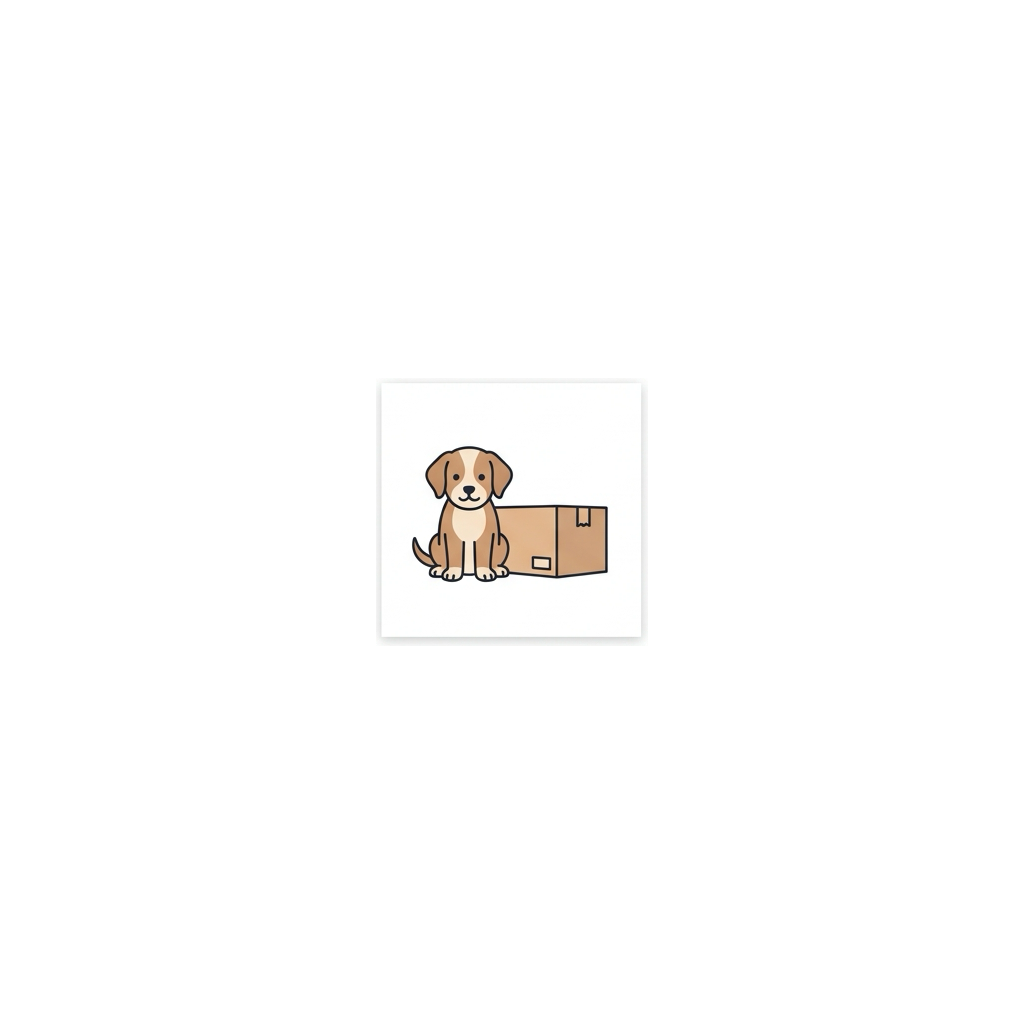
/ˌnekst ˈtuː/Beside something or someone; almost; or in comparison with.
Tiếng Việt
kế bên / bên cạnh / hầu như
NẾCH-st-tu
Phát âm rõ âm đuôi 'ks' và 't' ở từ 'next' trước khi nối sang 'to'.
Bên cạnh ai đó hoặc cái gì đó; gần như; hoặc so với.
Meanings
6 meanings
1In or into a position right beside somebody or something.prepositiondaily life
Ở hoặc đi vào một vị trí ngay bên cạnh ai đó hoặc cái gì đó.
“We sat next to each other in the back of the car.”
“Chúng tôi ngồi cạnh nhau ở ghế sau của xe hơi.”
- The hotel is right next to the airport.
- Who is the person sitting next to you in the photo?
- She stood next to the window, looking out at the rain.
Đây là nghĩa phổ biến nhất. Lưu ý không bao giờ thiếu từ 'to' sau 'next' khi chỉ vị trí.
2Following immediately after someone or something in order of importance, preference, etc.prepositionrelationships
Đứng ngay sau ai đó hoặc cái gì đó theo thứ tự quan trọng, sở thích, v.v.
“Next to her father, she loved her teacher best.”
“Sau cha mình, cô ấy yêu quý giáo viên của mình nhất.”
- Next to health, nothing is more important than a good education.
- It is the largest city in the state next to New York.
Dùng để xếp hạng hoặc so sánh mức độ ưu tiên.
3Used to say that two people or things are very different when compared with each other.prepositiongeneral
Được dùng để nói rằng hai người hoặc sự vật rất khác nhau khi so sánh với nhau.
“Next to him, I look like a giant.”
“So với anh ấy, tôi trông giống như một người khổng lồ.”
- My problems seem small next to yours.
- Next to the professional players, we looked like total amateurs.
Dùng 'Next to' ở đầu câu để tạo sự tương phản rõ rệt giữa hai đối tượng.
4Almost; used especially with 'nothing', 'impossible', 'useless', and 'none'.prepositiongeneral
Gần như; đặc biệt dùng với các từ 'nothing' (không có gì), 'impossible' (không thể), 'useless' (vô ích), và 'none' (không ai).
“It is next to impossible to find a taxi at this time of night.”
“Gần như không thể nào tìm được một chiếc taxi vào giờ này của đêm.”
- The car was worth next to nothing after the accident.
- Next to none of the students passed the difficult exam.
- He knows next to nothing about computer programming.
Trong trường hợp này, 'next to' đóng vai trò như một trạng từ chỉ mức độ.
5The person or thing before the very last one; penultimate.adjectivesports
Người hoặc vật ngay trước người hoặc vật cuối cùng; áp chót.
“I was next to last in the race.”
“Tôi đã về thứ nhì từ dưới lên trong cuộc đua.”
- He injured himself on the next-to-last day of his vacation.
- The next-to-last chapter of the book is the most exciting.
- She lives in the next-to-last house on the street.
Người Việt thường dùng từ 'áp chót' để dịch nghĩa này.
6Used as a degree modifier meaning almost or nearly.adverbgeneral
Được sử dụng như một từ bổ nghĩa mức độ, có nghĩa là gần như hoặc hầu như.
“It was next to dark when we finally arrived.”
“Trời đã gần như tối hẳn khi chúng tôi cuối cùng cũng đến nơi.”
- The situation is next to hopeless.
- He was next to tears when he heard the news.
Cách dùng này mang tính trang trọng hơn hoặc mang tính mô tả văn học.
Word bank
Common phrases
- right next to
- immediately next to
- next to nothing
- next to impossible
- next to useless
- next-to-last day
- next-to-last chapter
- next-to-last time
Grammar & forms
Avoid mistakes
Common mistakes
He is sitting next me.
He is sitting next to me.
The preposition 'next' always requires 'to' when followed by an object.
The shop is next to of the bank.
The shop is next to the bank.
Do not use 'of' after 'next to'.
I have near to nothing left.
I have next to nothing left.
When meaning 'almost nothing', the fixed idiom is 'next to nothing'.
She was the next to the last person.
She was the next-to-last person.
Use hyphens when using 'next-to-last' as a compound adjective before a noun.
The house is next from mine.
The house is next to mine.
The correct prepositional pair is 'next to', never 'next from'.
Don't confuse with
- near
close to, but not necessarily touching or immediately adjacent
“He lives near the school (maybe 5 minutes away).”
Use 'next to' for immediate adjacency (side-by-side).
- beside
at the side of
“Sit beside me.”
'Beside' and 'next to' are interchangeable in spatial contexts, but 'next to' is more common in modern speech.
Academic collocations
Words that pair with "next to" in formal and academic writing
- preposition
- next to impossiblenext to nothingnext to uselessnext to none
In context
Real-world examples
- daily life
In many Vietnamese households, the family altar is usually placed next to the main wall in the living room.
Trong nhiều gia đình Việt Nam, bàn thờ gia tiên thường được đặt cạnh bức tường chính trong phòng khách.
Phản ánh cách bài trí không gian sống truyền thống của người Việt.
- business
Our office is located right next to the Bitexco Financial Tower.
Văn phòng của chúng tôi nằm ngay cạnh tòa nhà tài chính Bitexco.
Sử dụng địa danh thực tế tại Việt Nam để giúp bạn hình dung vị trí địa lý.
- academic
After paying for school fees, I had next to nothing left in my bank account.
Sau khi đóng học phí, tôi hầu như chẳng còn đồng nào trong tài khoản ngân hàng.
Dùng cụm 'next to nothing' để nói về tình trạng tài chính, một cách diễn đạt phổ biến của sinh viên.
Notes for Vietnamese speakers
- Người Việt thường dùng 'cạnh' hoặc 'kế bên' cho khoảng cách gần sát, nhưng 'gần' (near) cho khoảng cách xa hơn một chút.
- Trong văn hóa giao tiếp, việc ngồi 'next to' (cạnh) người lớn tuổi trong bữa ăn cần chú ý thứ bậc và sự lễ phép.
- Cụm 'next to nothing' tương đương với thành ngữ 'rỗng túi' hoặc 'không còn một đồng dính túi' trong tiếng Việt.
Etymology
Origin: Middle English. Derived from the word 'next' (the superlative of Old English 'neah', meaning near) combined with the preposition 'to'. The spatial meaning developed first, followed by the metaphorical meanings of comparison and degree ('almost') by the 16th century (Source: Oxford Dictionary of English Etymology).
Exam levels
CEFR
A1
TOEIC
0-250
More in Vietnamese
- TFlat Dictionary (Soha)
Cung cấp ví dụ song ngữ và phát âm chuẩn.
- Cambridge English–Vietnamese Dictionary
Nghĩa tiếng Việt kèm ví dụ từ Cambridge Dictionary.