busy
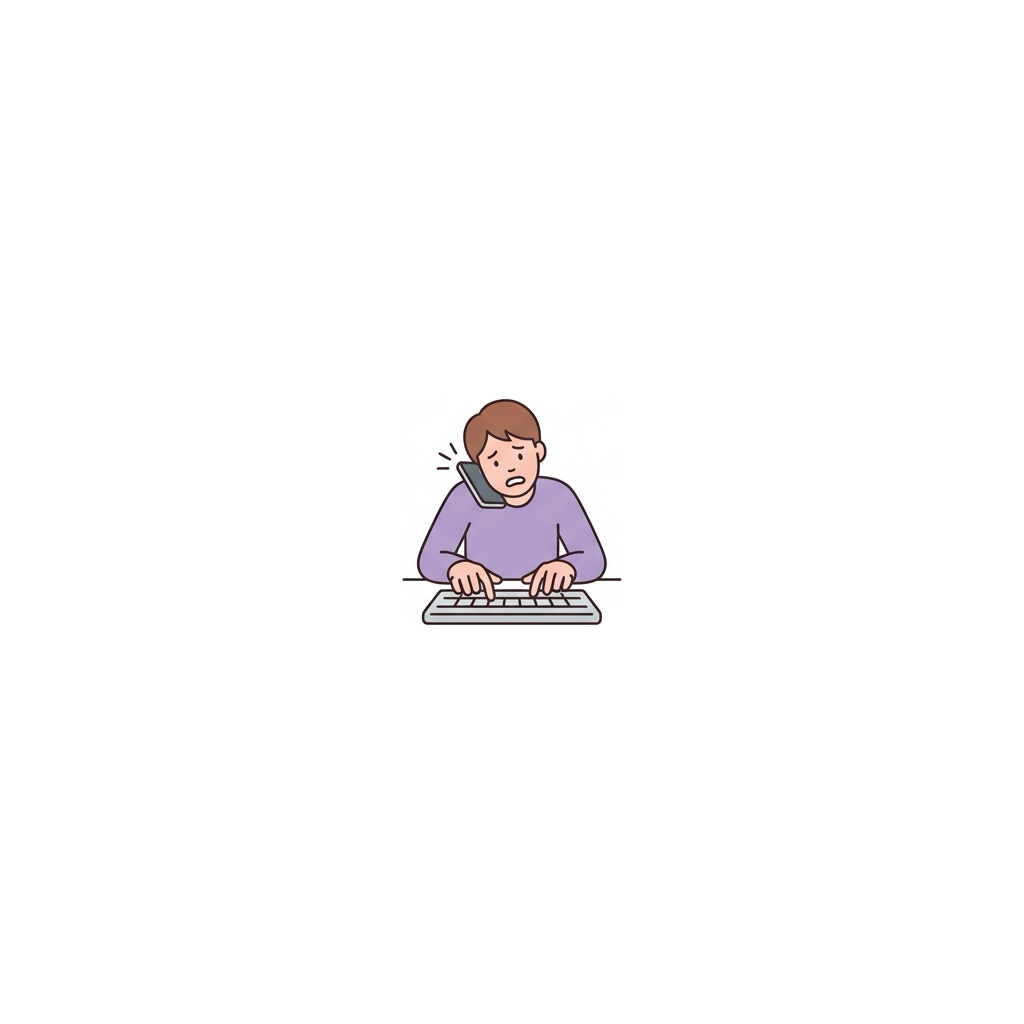
/ˈbɪzi/Having a lot to do, full of activity or people, or currently in use.
Tiếng Việt
bận rộn
BÍ-zi
Nhấn mạnh âm đầu 'BÍ', âm 'zi' đọc nhẹ và nhanh.
Có nhiều việc phải làm, nhộn nhịp hoặc đông người qua lại, hoặc đang được sử dụng.
Meanings
9 meanings
1Having a lot of work or tasks to do; not free because you are working on something.adjectivedaily life
Có nhiều việc hoặc nhiệm vụ phải làm; không rảnh rỗi vì đang làm việc gì đó.
“I'm afraid Mr. Davis is busy with a customer at the moment.”
“Tôi e rằng ông Davis đang bận tiếp khách vào lúc này.”
- Are you busy tonight?
- I've been far too busy to think about taking time off.
- The doctors are very busy today.
Đây là nghĩa phổ biến nhất. Lưu ý cấu trúc 'busy with something'.
2Giving all your attention and effort to a particular activity.adjectiveeducation
Dành toàn bộ sự chú ý và nỗ lực vào một hoạt động cụ thể.
“James is busy practicing for the school concert.”
“James đang mải miết tập luyện cho buổi hòa nhạc của trường.”
- She was busy preparing the report for the meeting.
- The kids are busy playing in the garden.
Sử dụng cấu trúc 'busy + V-ing' (đang bận làm gì đó). Không dùng 'busy to do'.
3Full of work, activity, or things to do (referring to a period of time).adjectivework career
Đầy ắp công việc, hoạt động hoặc những thứ cần làm (nói về một khoảng thời gian).
“It has been a very busy week at the office.”
“Đó là một tuần làm việc rất bận rộn tại văn phòng.”
- Have you had a busy day?
- The lead-up to Christmas is our busiest time of year.
Dùng để mô tả tính chất của một ngày, một tuần hoặc một giai đoạn.
4Full of people, activity, vehicles, or movement (referring to a place).adjectivedaily life
Đông đúc người qua lại, hoạt động, xe cộ hoặc sự chuyển động (nói về một địa điểm).
“The restaurant is always busy on Friday nights.”
“Nhà hàng luôn luôn đông khách vào các tối thứ Sáu.”
- A busy main road runs right past the house.
- He lives in a busy part of the city.
Khi nói về địa điểm, 'busy' nên được dịch là 'đông đúc' hoặc 'náo nhiệt'.
5Currently being used by someone else (referring to a telephone line).adjectivecommunication
Hiện đang được người khác sử dụng (nói về đường dây điện thoại).
“I tried to call her, but the line was busy.”
“Tôi đã cố gọi cho cô ấy, nhưng máy bận.”
- The number you are dialing is busy.
- I'll try again later—the line's busy.
Trong tiếng Việt, ta thường nói 'máy bận' thay vì 'đường dây bận'.
6Containing too many small details or different colors, making it unpleasant to look at.adjectivearts culture
Chứa quá nhiều chi tiết nhỏ hoặc màu sắc khác nhau, gây rối mắt.
“I think this wallpaper is a bit too busy for a small bedroom.”
“Tôi nghĩ mẫu giấy dán tường này hơi rối mắt đối với một phòng ngủ nhỏ.”
- The design is very busy and distracts from the main image.
- A busy pattern can make a room feel smaller.
Trong nghệ thuật và thiết kế, 'busy' mang nghĩa tiêu cực là 'rườm rà' hoặc 'rối mắt'.
7Interfering in other people's affairs; meddling.adjectivesocial
Can thiệp vào chuyện của người khác; hay xía vào chuyện người khác.
“Some busy and insinuating rogue has devised this slander.”
“Kẻ nào đó hay xía vào chuyện người khác và hay nói bóng gió đã dựng lên lời vu khống này.”
- She is a busy, meddling old woman.
Nghĩa này thường dùng trong văn chương, mô tả người hay tọc mạch.
8To spend time doing something, especially to keep yourself occupied.verbdaily life
Dành thời gian làm việc gì đó, đặc biệt là để giữ cho bản thân luôn bận rộn.
“She busied herself with the preparations for the party.”
“Cô ấy tất bật chuẩn bị cho bữa tiệc.”
- He busied himself in the kitchen while they talked.
- Aimee busied herself with a favorite book to make the time pass.
Thường dùng ở dạng phản thân 'busy oneself with'. Dịch sang tiếng Việt có thể dùng từ 'tất bật' hoặc 'mải mê'.
9A police officer.nounslang
Cảnh sát (từ lóng).
“Watch out, the busies are around the corner.”
“Cẩn thận đấy, mấy ông cảnh sát đang ở quanh góc đường kia kìa.”
- He's been running from the busies all night.
Đây là tiếng lóng của Anh (UK slang), rất ít gặp trong giao tiếp thông thường tại Việt Nam nhưng có thể thấy trong phim ảnh.
Word bank
Grammar & forms
Grammar
- linking
- transitive
- countable
Inflections
- comparative
- busier
- superlative
- busiest
- third_person_singular
- busies
- past_simple
- busied
- past_participle
- busied
- present_participle
- busying
- plural
- busies
Usage patterns
- busy with something
- busy doing something
- busy with somebody
- busy yourself with something
- busy yourself doing something
Avoid mistakes
Common mistakes
I am busy to cook dinner.
I am busy cooking dinner.
After 'busy', use the -ing form of the verb, not the infinitive with 'to'.
She is busy of her work.
She is busy with her work.
Use the preposition 'with' to indicate the activity or thing occupying someone.
He busied himself for cleaning.
He busied himself with cleaning.
The reflexive verb 'busy oneself' is usually followed by 'with' or an -ing form.
This is a busy office of people.
This is a busy office.
'Busy' already implies being full of people/activity; adding 'of people' is redundant.
I have a busy job search.
I am busy searching for a job.
'Busy' is better used as an adjective for the person or the activity directly.
Academic collocations
Words that pair with "busy" in formal and academic writing
- verb
- remainbecomekeep
- adjective
- extremelyincreasinglyunusually
- noun
- scheduleperiodlifestyle
- preposition
- within
In context
Real-world examples
- business
I'm very busy with work right now, can we talk later?
Hiện tại tôi đang rất bận việc, chúng ta nói chuyện sau được không?
Trong văn hóa công sở Việt Nam, việc cáo bận một cách lịch sự là rất quan trọng để giữ mối quan hệ.
- daily life
The streets of Hanoi are always busy during rush hour.
Đường phố Hà Nội luôn đông đúc vào giờ cao điểm.
Từ 'busy' ở đây dịch là 'đông đúc', phản ánh đặc điểm giao thông đặc trưng tại các thành phố lớn ở Việt Nam.
- academic
I've been busy studying for my final exams all week.
Cả tuần nay mình bận rộn ôn thi cuối kỳ.
Học sinh, sinh viên Việt Nam thường dùng cấu trúc 'bận học' để giải thích cho việc vắng mặt trong các sự kiện xã hội.
Notes for Vietnamese speakers
- Người Việt thường dùng 'bận' cho cả công việc cá nhân và tình trạng giao thông (đông đúc).
- Trong giao tiếp, nói 'Tôi đang bận' (I'm busy) đôi khi cần thêm các từ ngữ giảm nhẹ như 'hơi bận một chút' để tránh cảm giác thô lỗ.
- Khái niệm 'busy' trong văn hóa Việt Nam đôi khi đi kèm với sự chăm chỉ, cần cù (tính từ 'tất bật').
Etymology
Middle English 'bisig', from Old English 'bisig' (careful, anxious, busy, occupied). It is related to Middle Dutch 'besich' and Low German 'besig'. The semantic shift went from 'careful/anxious' to 'constantly occupied with work'.
Exam levels
IELTS
4.0
CEFR
A1
TOEIC
0-250
More in Vietnamese
- TFlat Dictionary (Soha)
Cung cấp nhiều ví dụ thực tế và các nghĩa phái sinh của từ.
- Cambridge English–Vietnamese Dictionary
Nghĩa tiếng Việt kèm ví dụ từ Cambridge Dictionary.
- VDict (Anh–Việt)
Từ điển Anh–Việt với ví dụ song ngữ.