abandon
/əˈbændən/To leave someone or something behind permanently, or to stop doing something before it is finished.
Tiếng Việt
từ bỏ
ờ-BAN-đần
Nhấn mạnh âm tiết thứ hai 'BAN', âm đầu và âm cuối đọc nhẹ, lướt nhanh.
Rời bỏ ai đó hoặc thứ gì đó vĩnh viễn, hoặc ngừng làm việc gì đó trước khi hoàn thành.
Meanings
6 meanings
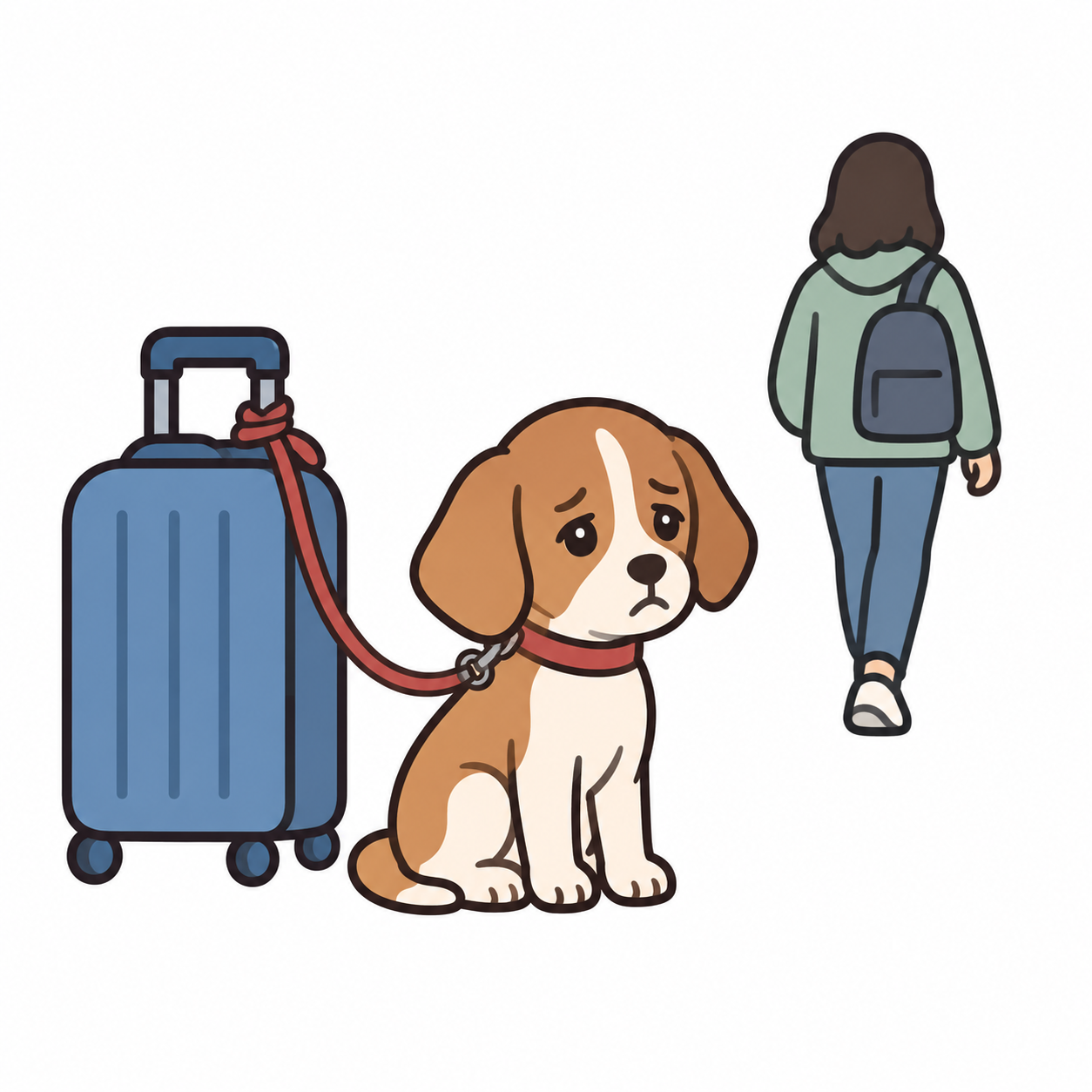
1To leave somebody, especially somebody you are responsible for, with no intention of returning.verbfamily
Bỏ rơi ai đó, đặc biệt là người mà bạn có trách nhiệm chăm sóc, mà không có ý định quay lại.
“The baby had been abandoned by its mother.”
“Đứa bé đã bị mẹ ruột bỏ rơi.”
- He kept the company going because he didn't want to abandon his staff.
- The country abandoned its political leaders after the war.
Dịch là 'bỏ rơi'. Thường dùng với cấu trúc bị động (be abandoned by sb) để nhấn mạnh người bị hại.
2To leave a thing or place, especially because it is impossible or dangerous to stay.verbgeneral
Bỏ lại một vật hoặc rời khỏi một nơi nào đó, đặc biệt vì lý do bất khả thi hoặc nguy hiểm nếu ở lại.
“Snow forced many drivers to abandon their vehicles.”
“Tuyết rơi dày đã buộc nhiều tài xế phải bỏ lại xe của họ.”
- The town had been hastily abandoned.
- Much of the land has now been abandoned in favour of more fertile areas to the south.
Dịch là 'bỏ lại'. Rất hay dùng trong các bản tin thời tiết, thiên tai.
3To stop doing something, especially before it is finished; to stop having something.verbgeneral
Ngừng làm một việc gì đó, đặc biệt là trước khi hoàn thành; từ bỏ.
“They abandoned the match because of rain.”
“Họ đã hủy bỏ trận đấu vì trời mưa.”
- The car maker has abandoned its plans to build a giant new plant.
- She abandoned her teaching career in favour of sport.
Dịch là 'từ bỏ' hoặc 'hủy bỏ' (với sự kiện). Dùng nhiều trong công việc hoặc thể thao.
4To stop supporting or helping somebody; to stop believing in something.verbpolitics
Ngừng ủng hộ hoặc giúp đỡ ai đó; ngừng tin tưởng vào điều gì đó.
“The country abandoned its political leaders after the war.”
“Đất nước đã từ bỏ các nhà lãnh đạo chính trị của mình sau chiến tranh.”
Dùng trong bối cảnh chính trị hoặc tư tưởng, mang nghĩa 'quay lưng lại' hoặc 'không còn ủng hộ'.
5To feel an emotion so strongly that you can feel nothing else.verbliterary
Buông thả bản thân theo một cảm xúc mãnh liệt đến mức không còn cảm nhận được gì khác.
“He abandoned himself to despair.”
“Anh ấy đã buông thả bản thân trong sự tuyệt vọng.”
Cấu trúc 'abandon yourself to something' nghĩa là chìm đắm, buông thả vào một cảm xúc, thường mang tính văn chương.
6A way of behaving that is not sensible and shows that you do not care about the possible results of your actions or what other people think.noungeneral
Sự buông thả, không kiềm chế, cho thấy sự bất cần về hậu quả hay suy nghĩ của người khác.
“He spent money with careless abandon.”
“Anh ta tiêu tiền với sự buông thả vô lo vô nghĩ.”
- We danced with wild abandon.
- She laughed with gay abandon.
Danh từ này thường đi kèm với các tính từ như 'wild' hay 'reckless' để chỉ sự thiếu kiểm soát hoàn toàn.
Word bank
Common phrases
- hastily abandon
- abandon hope
- abandon ship
- abandon a project
- abandon an idea
- completely abandon
- with wild abandon
- with reckless abandon
- careless abandon
- gay abandon
Grammar & forms
Grammar
- transitive
- uncountable
Inflections
- third_person_singular
- abandons
- past_simple
- abandoned
- past_participle
- abandoned
- present_participle
- abandoning
Word family
- abandonedadjective
- abandonmentnoun
Usage patterns
- abandon somebody
- abandon something
- abandon yourself to something
- with abandon
Avoid mistakes
Common mistakes
He abandoned to smoke.
He abandoned smoking.
When 'abandon' means to stop a habit, it is followed by a noun or gerund (-ing form), not an infinitive.
They abandoned from the house.
They abandoned the house.
'Abandon' is a transitive verb and does not require a preposition like 'from'.
Don't confuse with
Academic collocations
Words that pair with "abandon" in formal and academic writing
- verb
- abandonrejectdiscard
- noun
- policyprojecttheoryidea
In context
Real-world examples
- daily life
The father abandoned his family.
Người cha đã bỏ rơi gia đình mình.
Hành vi 'bỏ rơi gia đình' bị lên án gay gắt trong văn hóa coi trọng tình cảm gia đình của người Việt.
- business
The company abandoned the project due to lack of funds.
Công ty đã từ bỏ dự án do thiếu vốn.
Thường dùng trong báo chí kinh tế Việt Nam khi nói về các dự án treo hoặc bị hủy bỏ.
- academic
Researchers abandoned the initial hypothesis.
Các nhà nghiên cứu đã từ bỏ giả thuyết ban đầu.
Phổ biến trong môi trường học thuật, nghiên cứu tại các trường đại học.
- daily life
They abandoned their car in the flood.
Họ đã bỏ lại chiếc xe hơi của mình trong trận lũ.
Tình huống phổ biến trong mùa mưa bão, ngập lụt tại các thành phố lớn ở Việt Nam.
Notes for Vietnamese speakers
- Trong văn hóa Việt Nam, từ 'bỏ rơi' (abandon a person) mang sắc thái tiêu cực mạnh mẽ, đặc biệt khi nói về gia đình (bỏ rơi con cái, cha mẹ già) do ảnh hưởng sâu sắc của truyền thống hiếu đạo.
- Khi dùng với vật hoặc dự án (từ bỏ dự án), 'abandon' mang tính trung lập hơn, dịch là 'từ bỏ' hoặc 'bỏ dở'.
Etymology
Late Middle English: from Old French abandoner, from à bandon 'under control', from ban 'jurisdiction'. The original sense was 'bring under control', later 'give in to the control of, surrender to' (reflected in the reflexive use), and hence 'give up'.
Exam levels
IELTS
6.0
CEFR
B2
TOEIC
705-800
More in Vietnamese
- Cambridge English–Vietnamese Dictionary
Nghĩa tiếng Việt kèm ví dụ từ Cambridge Dictionary.
- VDict (Anh–Việt)
Từ điển Anh–Việt với ví dụ song ngữ.