old
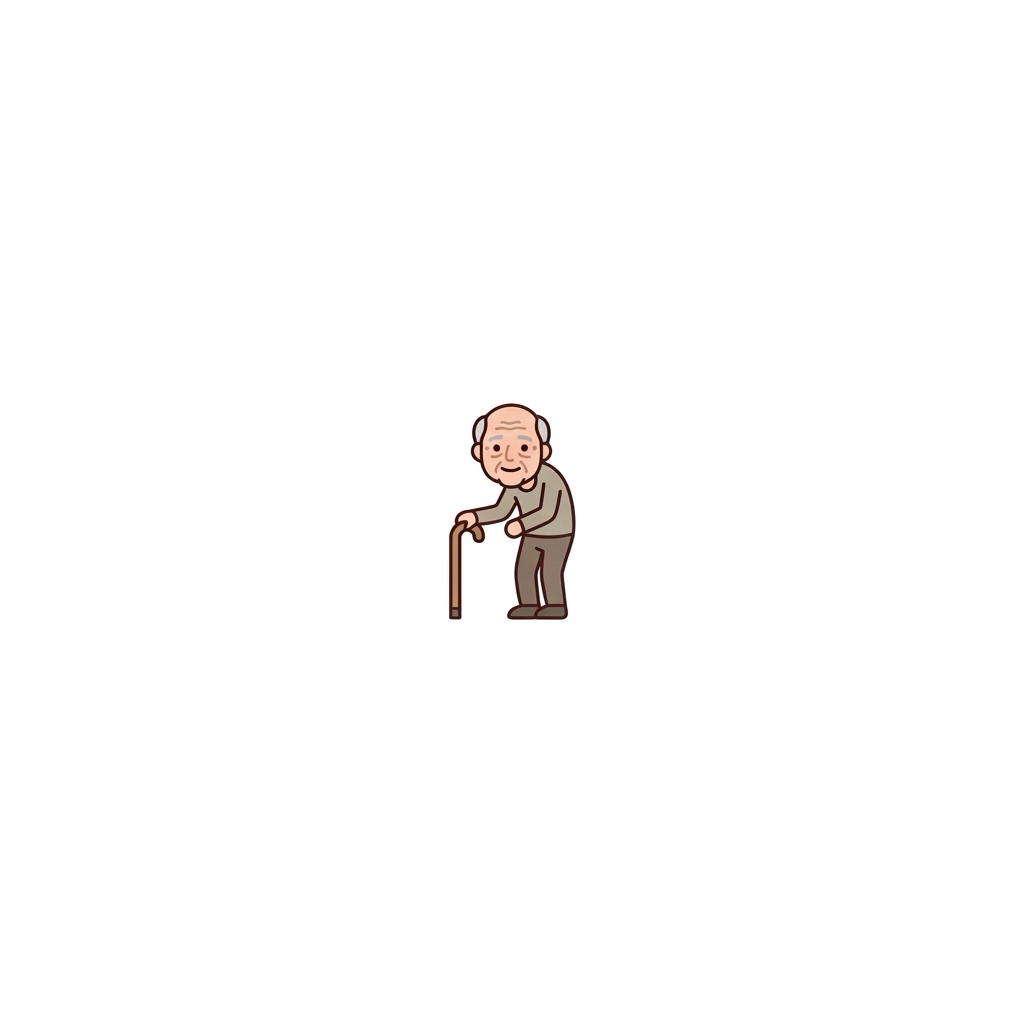
/oʊld/Having lived or existed for a long time; having a specific age; no longer new or current.
Tiếng Việt
cũ, già, tuổi
ÔUL-đờ
Phát âm vần 'ôu' kéo dài, kết thúc bằng âm 'l' nhẹ và bật hơi âm 'd' (đờ) ở cuối.
Đã sống hoặc tồn tại trong một thời gian dài; có một độ tuổi cụ thể; không còn mới hoặc hiện hành.
Meanings
11 meanings
1Having lived for a long time; no longer young.adjectivedaily life
Đã sống lâu; không còn trẻ; già.
“He's an old man now, nearly eighty.”
“Giờ ông ấy đã là một ông lão, gần tám mươi tuổi rồi.”
- We were fairly old when we bought our first house.
- The way the young people rushed about made her feel old.
- She's getting old—she's 75 next year.
Dùng 'old' để chỉ người già. Trong tiếng Việt, cần phân biệt 'già' (người) và 'cũ' (vật).
2Of a particular age.adjectivegeneral
Ở một độ tuổi cụ thể.
“The baby was only a few hours old.”
“Đứa bé mới chỉ được vài giờ tuổi.”
- How old is your sister?
- He's old enough by now to manage his own affairs.
- You are as old as you feel.
Luôn dùng kèm với số lượng thời gian (years, months, days) để chỉ tuổi thọ hoặc thời gian tồn tại.
3Having existed or been used for a long time; not new.adjectivearts culture
Đã tồn tại hoặc được sử dụng từ lâu; cũ; cổ.
“This is a very old tradition that dates back centuries.”
“Đây là một truyền thống rất cổ xưa có từ nhiều thế kỷ trước.”
- It's one of the oldest remaining parts of the church.
- These are some of the oldest trees in the world.
- Old habits die hard.
Khi nói về đồ vật không còn mới, hãy dịch là 'cũ'. Khi nói về lịch sử, hãy dịch là 'cổ' hoặc 'lâu đời'.
4Former; belonging to a past time in your life or history; replaced by something else.adjectivedaily life
Cựu; thuộc về quá khứ; đã được thay thế bằng cái khác.
“We had more room in our old house.”
“Trong ngôi nhà cũ, chúng tôi đã có nhiều không gian hơn.”
- Things were different in the old days.
- I saw my old boyfriend at the supermarket.
- The footpath follows the route of an old railway line.
'Old' ở đây mang nghĩa là 'trước đây', không nhất thiết là vật đó đã hỏng hay quá lâu đời.
5Known for a long time.adjectiverelationships
Đã quen biết từ lâu.
“She’s an old friend of mine; we met in primary school.”
“Cô ấy là một người bạn cũ của tôi; chúng tôi gặp nhau từ thời tiểu học.”
- He's one of my oldest friends.
- We are old colleagues from my time at the bank.
Lưu ý 'old friend' là 'bạn cũ' (quen lâu), khác với 'elderly friend' là người bạn lớn tuổi.
6Used to show affection, familiarity, or sometimes a lack of respect.adjectiveinformal
Dùng để thể hiện sự trìu mến, thân thuộc, hoặc đôi khi là thiếu tôn trọng.
“Good old Dad! He always knows what to do.”
“Bố già tuyệt vời! Lúc nào ông cũng biết phải làm gì.”
- Poor old Frank broke his arm.
- It's a funny old world.
- They were having the same boring old conversation about school.
Trong tiếng Việt, từ 'già' hoặc 'lão' có thể dùng tương đương để tạo sắc thái thân mật (ví dụ: lão bạn, ông già).
7Said of colors that are subdued or appear faded as if by time.adjectivearts culture
(Nói về màu sắc) xỉn màu hoặc có vẻ bạc màu theo thời gian.
“The room was decorated in shades of old rose and cream.”
“Căn phòng được trang trí bằng các sắc thái của màu hồng phớt và màu kem.”
Đây là cách dùng chuyên môn trong nghệ thuật để chỉ các tông màu hoài cổ, trầm mặc.
8Old people considered together as a group.nounsocial
Người già nói chung.
“The old feel the cold more than the young.”
“Người già cảm thấy lạnh nhiều hơn người trẻ.”
- These cuts in services will particularly affect the old.
- There is a growing gap between the old and the young.
'The old' tương đương với 'the elderly', dùng như một danh từ số nhiều chỉ một nhóm người.
9An earlier period of time; the past.nounliterary
Thời xa xưa; quá khứ.
“In days of old, knights used to travel across the land.”
“Vào những ngày xa xưa, các hiệp sĩ thường du hành khắp vùng đất.”
- We knew him of old as a man of great integrity.
Thường dùng trong văn chương hoặc truyện cổ tích với cụm từ 'of old' hoặc 'days of old'.
10One's parents.nounfamily
Bố mẹ (cách gọi thân mật/suồng sã).
“I'll have to ask my olds if I can go to the party.”
“Tôi sẽ phải hỏi ông bà già xem tôi có được đi dự tiệc không.”
Đây là từ lóng, tương đương với cách gọi 'ông bà già' trong tiếng Việt, cần cẩn trọng khi sử dụng vì có thể bị coi là thiếu tôn trọng.
11A type of dark-colored lager brewed by top-fermentation.nounfood
Một loại bia đen lên men bề mặt.
“He ordered a pint of old at the bar.”
“Anh ta gọi một panh bia đen tại quầy bar.”
Nghĩa này rất đặc thù trong văn hóa uống bia ở một số vùng như Úc hoặc Anh.
Word bank
Grammar & forms
Avoid mistakes
Common mistakes
I have 20 years.
I am 20 years old.
In English, we use the verb 'to be' + 'old' to state age, not the verb 'to have'.
He is a very old friend of mine (meaning 'elderly').
He is a friend who is quite old.
'Old friend' usually means someone you have known for a long time, not necessarily an elderly person.
The house is more old than that one.
The house is older than that one.
'Old' is a one-syllable adjective and uses the '-er' suffix for comparatives.
He is 10 years older than me.
He is 10 years older than I (am) / than me.
Both are acceptable, but 'than I' is more formal.
I am looking for my old bag (meaning 'former').
I am looking for my old bag.
Ensure context clarifies if 'old' means 'worn out' or 'previous'.
Don't confuse with
- elder
Used only for people, especially family members, to compare age.
“My elder brother is a doctor.”
Use 'older' for things and 'elder' for people in family contexts.
- ancient
Extremely old, usually referring to history (thousands of years).
“The ancient Egyptians built the pyramids.”
Use 'old' for common items/people; use 'ancient' for very long history.
Academic collocations
Words that pair with "old" in formal and academic writing
- verb
- attainreachsurvive
- adjective
- venerableextantpre-existing
- noun
- ageguardregime
- preposition
- ofinsince
In context
Real-world examples
- daily life
How old are you? - I am twenty years old.
Bạn bao nhiêu tuổi? - Tôi hai mươi tuổi.
Trong văn hóa Việt Nam, hỏi tuổi là bước đầu tiên quan trọng để xác định đại từ xưng hô (anh, chị, em, cô, chú) cho phù hợp với thứ bậc.
- social
We should respect the old and care for the young.
Chúng ta nên kính già yêu trẻ.
Câu này phản ánh truyền thống 'Kính già yêu trẻ' - một giá trị đạo đức cốt lõi trong xã hội Việt Nam.
- relationships
This is an old friend from my high school days.
Đây là một người bạn cũ từ thời cấp ba của tôi.
Người Việt rất coi trọng các mối quan hệ 'cũ' (bạn cũ, trường cũ), thường xuyên tổ chức họp lớp để duy trì tình cảm.
Notes for Vietnamese speakers
- Trong tiếng Việt, 'old' có thể dịch là 'già' (cho người/động vật) hoặc 'cũ' (cho đồ vật). Tránh dùng 'già' cho đồ vật.
- Khi nói về người lớn tuổi, từ 'người già' đôi khi có thể coi là thiếu tôn trọng trong một số ngữ cảnh trang trọng; thay vào đó người Việt thường dùng 'người cao tuổi' hoặc 'người lớn tuổi'.
- Cấu trúc hỏi tuổi trong tiếng Anh dùng 'be + old', nhưng tiếng Việt dùng động từ 'có' hoặc nói trực tiếp số tuổi, dẫn đến lỗi phổ biến 'I have ... years old'.
Etymology
From Middle English 'old', 'ald', from Old English 'eald', of Germanic origin; related to Dutch 'oud' and German 'alt', from an Indo-European root meaning 'to nourish', which also produced the Latin 'alere' (to nourish) and 'adultus' (adult).
Exam levels
CEFR
A1
TOEIC
0-250
More in Vietnamese
- TFlat Dictionary (Soha)
Cung cấp các cụm từ liên quan và các lớp nghĩa chuyên ngành.
- Cambridge English–Vietnamese Dictionary
Nghĩa tiếng Việt kèm ví dụ từ Cambridge Dictionary.
- VDict (Anh–Việt)
Từ điển Anh–Việt với ví dụ song ngữ.