amuse
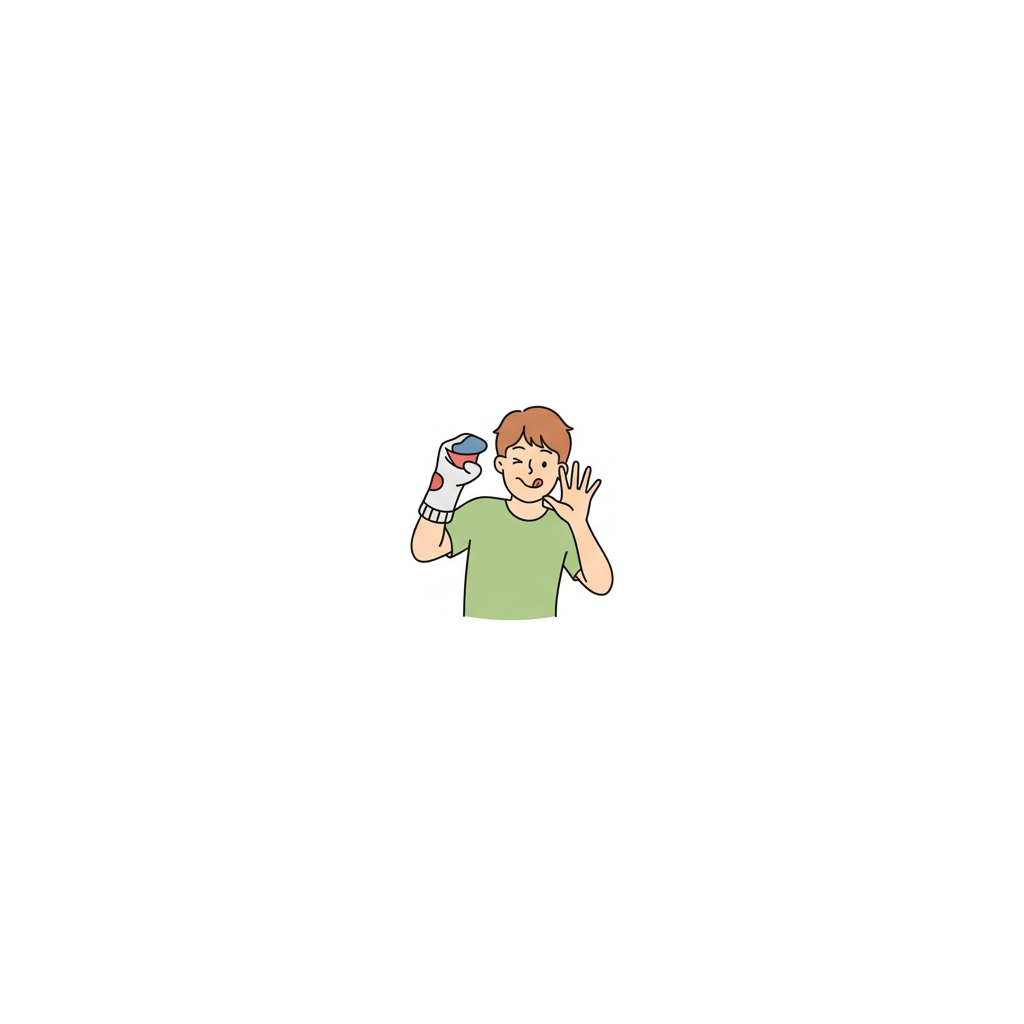
/əˈmjuːz/To make someone laugh, smile, or pass time pleasantly.
Tiếng Việt
làm cho vui, giải trí, tiêu khiển
ờ-MIU-z
Âm đầu 'ờ' đọc lướt nhẹ, nhấn trọng âm vào 'MIU', và nhớ phát âm âm cuối 'z' (giống tiếng ong kêu nhẹ) để phân biệt với các từ khác.
Làm cho ai đó cười, mỉm cười, hoặc giúp họ giải trí, tiêu khiển để thời gian trôi qua một cách vui vẻ.
Meanings
3 meanings
1To make somebody laugh or smile.general
Làm cho ai đó cười hoặc mỉm cười.
“My funny drawings amused the kids.”
“Những bức vẽ hài hước của tôi đã làm bọn trẻ thích thú.”
- Her story amused him greatly.
- His impersonation of the President amused me no end.
- It never fails to amuse me how excited people can get about winning a game.
- His subtle humor amused me.
Thường dùng khi một câu chuyện, trò đùa hoặc hành động nào đó mang lại tiếng cười nhẹ nhàng. Lưu ý phân biệt với 'make fun of' (chế nhạo).
2To make time pass pleasantly for somebody or yourself; to keep someone's attention by entertaining them.general
Làm cho thời gian trôi qua một cách vui vẻ đối với ai đó hoặc chính bạn; thu hút sự chú ý của ai đó bằng cách giải trí cho họ (tiêu khiển).
“She suggested several ideas to help Laura amuse the twins.”
“Cô ấy đã gợi ý vài ý tưởng để giúp Laura bày trò tiêu khiển cho cặp song sinh.”
- It’s a relief when your child can amuse herself for a whole hour.
Cấu trúc 'amuse oneself' (tự giải trí/tiêu khiển) rất phổ biến. Ví dụ: 'amuse oneself with a book' (tự giải trí bằng một cuốn sách).
3To keep in expectation, beguile, or delude; to occupy or engage the attention of to the point of distraction.rare
Làm cho ai đó nuôi hy vọng, đánh lừa, hoặc lừa dối; thu hút sự chú ý đến mức làm sao nhãng.
“He amused his adversaries with false promises to gain time.”
“Anh ta đã đánh lừa các đối thủ của mình bằng những lời hứa hão huyền để câu giờ.”
Nghĩa này rất hiếm gặp trong tiếng Anh hiện đại và mang tính cổ xưa (old-fashioned). Người học ở trình độ B2/C1 chỉ cần biết để đọc hiểu các văn bản văn học cũ.
Word bank
Grammar & forms
Avoid mistakes
Common mistakes
He was amuse by the joke.
He was amused by the joke.
Passive voice requires the past participle 'amused'.
The clown amused to the children.
The clown amused the children.
'Amuse' is a transitive verb and takes a direct object without a preposition.
I amused myself with read a book.
I amused myself with reading a book.
The preposition 'with' must be followed by a noun or a gerund (-ing form).
The movie was very amused.
The movie was very amusing.
Use '-ing' adjectives for the thing causing the feeling, and '-ed' adjectives for the person experiencing it.
She is very amuse.
She is very amusing.
An adjective form ('amusing' or 'amused') is required after the verb 'to be', not the base verb.
Don't confuse with
- bemuse
to confuse or puzzle someone
“He was bemused by the complicated instructions.”
Amuse means to entertain; bemuse means to confuse.
Academic collocations
Words that pair with "amuse" in formal and academic writing
- verb
- continue tofail totry to
- adjective
- easilyhighlymildly
- noun
- audiencereaderchild
- preposition
- withby
In context
Real-world examples
- daily life
The street performers amused the crowd with their magic tricks.
Những người biểu diễn đường phố đã làm đám đông thích thú bằng các trò ảo thuật.
Biểu diễn đường phố (như ở phố đi bộ Nguyễn Huệ hay Hồ Gươm) là một hình thức giải trí phổ biến ở Việt Nam, thu hút sự chú ý của nhiều người qua lại.
- business
To amuse the clients during the delay, the manager offered them complimentary coffee and snacks.
Để giúp khách hàng giải trí trong lúc chờ đợi, người quản lý đã mời họ cà phê và đồ ăn nhẹ miễn phí.
Văn hóa hiếu khách trong kinh doanh ở Việt Nam rất quan trọng; mời trà hoặc cà phê là cách phổ biến để giữ khách hàng vui vẻ và kiên nhẫn.
- academic
The professor amused the students with a witty anecdote before starting the complex lecture.
Vị giáo sư đã làm sinh viên bật cười bằng một giai thoại dí dỏm trước khi bắt đầu bài giảng phức tạp.
Giáo viên ở Việt Nam ngày nay thường sử dụng sự hài hước để làm giảm bớt căng thẳng trong các lớp học có tính học thuật cao, giúp sinh viên dễ tiếp thu hơn.
- travel
During the long train ride to Sapa, we amused ourselves by playing card games.
Trong chuyến tàu dài đến Sa Pa, chúng tôi đã tự giải trí bằng cách chơi bài.
Chơi bài (như tiến lên) là một cách tiêu khiển cực kỳ phổ biến của người Việt trong các chuyến đi dài hoặc khi tụ tập bạn bè, gia đình.
Notes for Vietnamese speakers
- Trong văn hóa Việt Nam, việc 'làm cho ai đó vui' (amuse someone) thường gắn liền với sự hiếu khách và quan tâm đến cảm xúc của người khác, đặc biệt là khách đến nhà hoặc trẻ nhỏ.
- Người Việt thường dùng các trò chơi dân gian, kể chuyện tiếu lâm hoặc chơi bài để 'tự giải trí' (amuse oneself) trong các dịp lễ tết hoặc lúc nông nhàn.
Etymology
Late 15th century (in the sense 'delude, deceive'): from Old French amuser 'entertain, deceive', from a- (from Latin ad 'to, at') + muser 'stare stupidly'. The current senses date from the late 17th century.
Exam levels
IELTS
6.0
CEFR
B2
TOEIC
705-800
More in Vietnamese
- Cambridge English–Vietnamese Dictionary
Nghĩa tiếng Việt kèm ví dụ từ Cambridge Dictionary.
- VDict (Anh–Việt)
Từ điển Anh–Việt với ví dụ song ngữ.