annoy
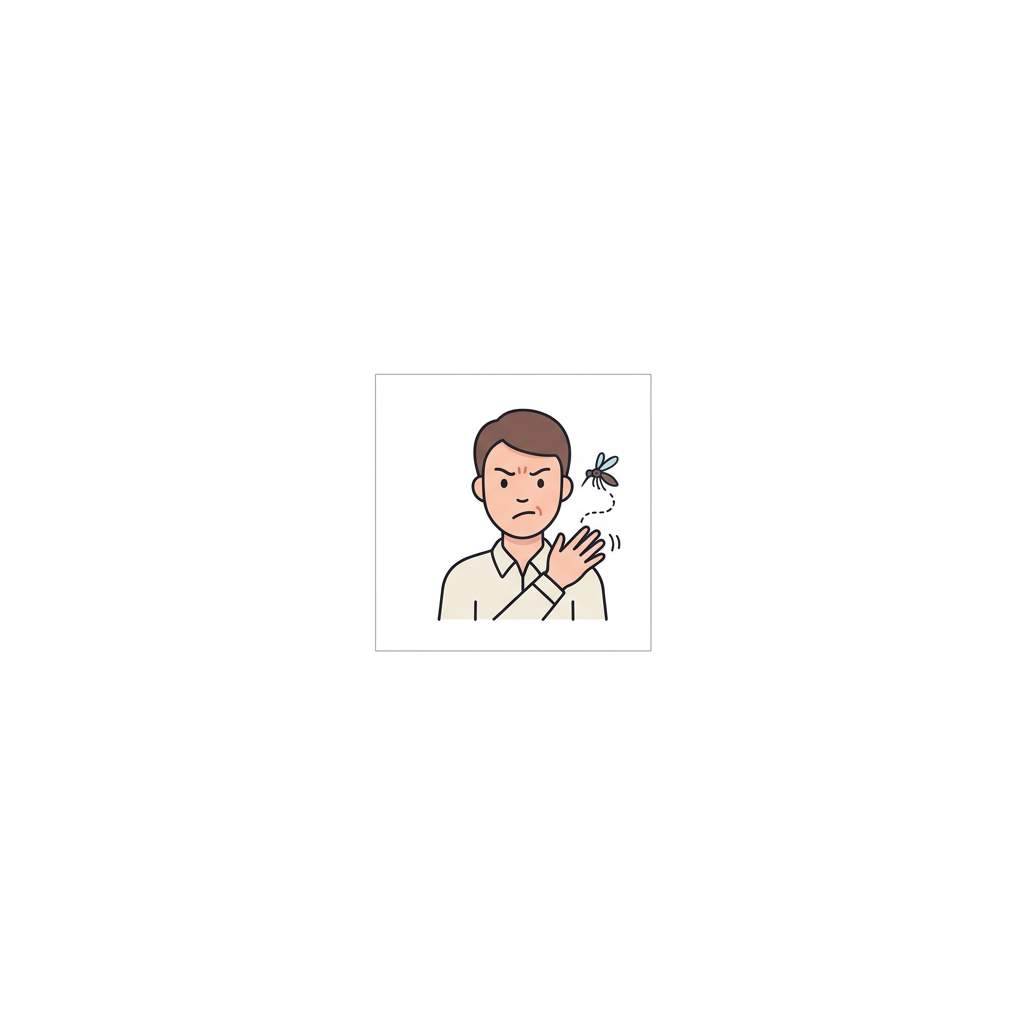
/əˈnɔɪ/To make someone slightly angry, uncomfortable, or unable to relax
Tiếng Việt
làm phiền
ờ-NOI
Nhấn mạnh vào âm tiết thứ hai 'NOI' với tông giọng hơi cao, âm 'ờ' đầu đọc nhẹ và nhanh.
Làm cho ai đó cảm thấy hơi giận, khó chịu hoặc không thể thư giãn.
Meanings
3 meanings
1To make somebody slightly angryverbemotions
Làm cho ai đó hơi tức giận hoặc bực mình
“His constant joking was beginning to annoy her.”
“Việc anh ta cứ đùa giỡn liên tục đã bắt đầu làm cô ấy bực mình.”
- I know you’re doing this only to annoy me.
- It really annoys me when people don't listen.
Dùng từ này khi mức độ tức giận không quá lớn, chỉ là sự khó chịu nhất thời. Lưu ý cấu trúc 'annoy somebody' không có giới từ ở giữa.
2To make somebody uncomfortable or unable to relaxverbdaily life
Làm cho ai đó khó chịu hoặc không thể thư giãn, nghỉ ngơi
“He swatted a fly that was annoying him.”
“Anh ta đập một con ruồi đang làm phiền mình.”
- The sound of the traffic annoyed him all night.
Trong ngữ cảnh này, 'annoy' thường liên quan đến các tác nhân bên ngoài như tiếng ồn, côn trùng hoặc sự gián đoạn.
3A feeling of discomfort or vexation caused by what one dislikesnounliterary
Cảm giác khó chịu hoặc bực bội gây ra bởi những gì người ta không thích
“He felt a great annoy at the interruption.”
“Anh ta cảm thấy vô cùng bực bội vì sự gián đoạn.”
Dạng danh từ 'annoy' rất hiếm dùng và mang tính cổ xưa/văn chương. Thông thường người ta dùng 'annoyance'.
Word bank
Grammar & forms
Grammar
- transitive
- intransitive
- uncountable
Inflections
- third_person_singular
- annoys
- past_simple
- annoyed
- past_participle
- annoyed
- present_participle
- annoying
Word family
- annoyingadjective
- annoyinglyadverb
- annoyancenoun
Usage patterns
- annoy somebody
- it annoys somebody that...
Avoid mistakes
Common mistakes
I am very annoying with him.
I am very annoyed with him.
Use 'annoyed' (past participle) to describe how you feel. Use 'annoying' to describe the thing causing the feeling.
She annoyed to see him.
She was annoyed to see him.
'Annoy' is a transitive verb or 'annoyed' is an adjective used with 'be'. You cannot say 'She annoyed to...'.
He annoyed me for coming late.
He annoyed me by coming late.
Use 'by' + -ing to show the method or cause of annoyance.
It is annoyed.
It is annoying.
A situation or object is 'annoying'. A person feels 'annoyed'.
Don't annoy.
Don't be annoying.
'Annoy' usually requires an object (transitive). If describing behavior, use 'be annoying'.
Don't confuse with
- irritate
to make someone angry or sore
“The wool sweater irritated my skin.”
'Irritate' can also mean physical soreness; 'annoy' is purely psychological/emotional.
- bother
to make someone feel worried or upset; to interrupt
“Sorry to bother you, but I need help.”
Use 'bother' for interruptions or worry; 'annoy' implies anger.
Academic collocations
Words that pair with "annoy" in formal and academic writing
- verb
- tend toserve to
- adjective
- increasingly
- noun
- habitbehavior
- preposition
- bywith
In context
Real-world examples
- daily life
It really annoys me when people cut in line at the supermarket.
Tôi thực sự thấy bực mình khi mọi người chen ngang hàng ở siêu thị.
Văn hóa xếp hàng đang dần được coi trọng tại Việt Nam; hành động chen lấn thường gây ra sự khó chịu rõ rệt trong cộng đồng.
- business
Please don't annoy your colleagues by playing loud music in the office.
Vui lòng đừng làm phiền đồng nghiệp bằng cách mở nhạc lớn trong văn phòng.
Môi trường công sở Việt Nam đề cao sự hòa nhã và tôn trọng không gian chung, việc gây ồn ào được coi là thiếu tinh tế.
- academic
The repetitive notification sounds from the phone began to annoy the students during the lecture.
Tiếng thông báo lặp đi lặp lại từ điện thoại bắt đầu làm các sinh viên khó chịu trong giờ giảng.
Trong các giảng đường Việt Nam, sự tập trung là yếu tố quan trọng và tiếng ồn kỹ thuật số thường bị coi là sự gián đoạn thô lỗ.
- daily life
I hope I'm not annoying you with all these questions.
Tôi hy vọng mình không làm phiền bạn với tất cả những câu hỏi này.
Người Việt thường dùng cách nói giảm nói tránh này để giữ phép lịch sự (kính trên nhường dưới) khi cần hỏi nhiều thông tin.
Notes for Vietnamese speakers
- Trong tiếng Việt, 'annoy' có thể dịch là 'làm phiền', 'làm bực mình' hoặc 'quấy rầy'. 'Làm phiền' thường nhẹ nhàng và lịch sự hơn, trong khi 'làm bực mình' nhấn mạnh vào cảm xúc tức giận.
- Người Việt có xu hướng xin lỗi trước khi 'annoy' ai đó bằng cụm từ 'Xin lỗi vì đã làm phiền' (Sorry for annoying/bothering you).
- Sự khác biệt giữa 'annoy' và 'irritate' trong tiếng Việt đôi khi bị mờ nhạt, cả hai đều có thể dịch là 'làm khó chịu'.
Etymology
From Middle English anoyen, from Old French anoier ('to molest, harm'), from Late Latin inodiare ('to make loathsome'), from Latin in ('in') + odium ('hatred'). Original meaning involved causing harm or molestation, which softened over time to 'vex' or 'trouble'.
Exam levels
IELTS
5.5
CEFR
B1
TOEIC
505-600
More in Vietnamese
- Cambridge English–Vietnamese Dictionary
Nghĩa tiếng Việt kèm ví dụ từ Cambridge Dictionary.
- VDict (Anh–Việt)
Từ điển Anh–Việt với ví dụ song ngữ.