aggression
/əˈɡreʃn/Feelings of anger or hate that may result in violent behavior, or a violent attack against someone.
Tiếng Việt
sự hung hăng
ờ-GRÉ-shần
Nhấn mạnh vào âm tiết thứ hai 'GRE', âm tiết cuối 'shn' đọc nhẹ như âm 'sh' kết hợp với 'n'.
Cảm giác tức giận hoặc căm thù có thể dẫn đến hành vi bạo lực, hoặc cuộc tấn công bạo lực nhắm vào người khác.
Meanings
2 meanings
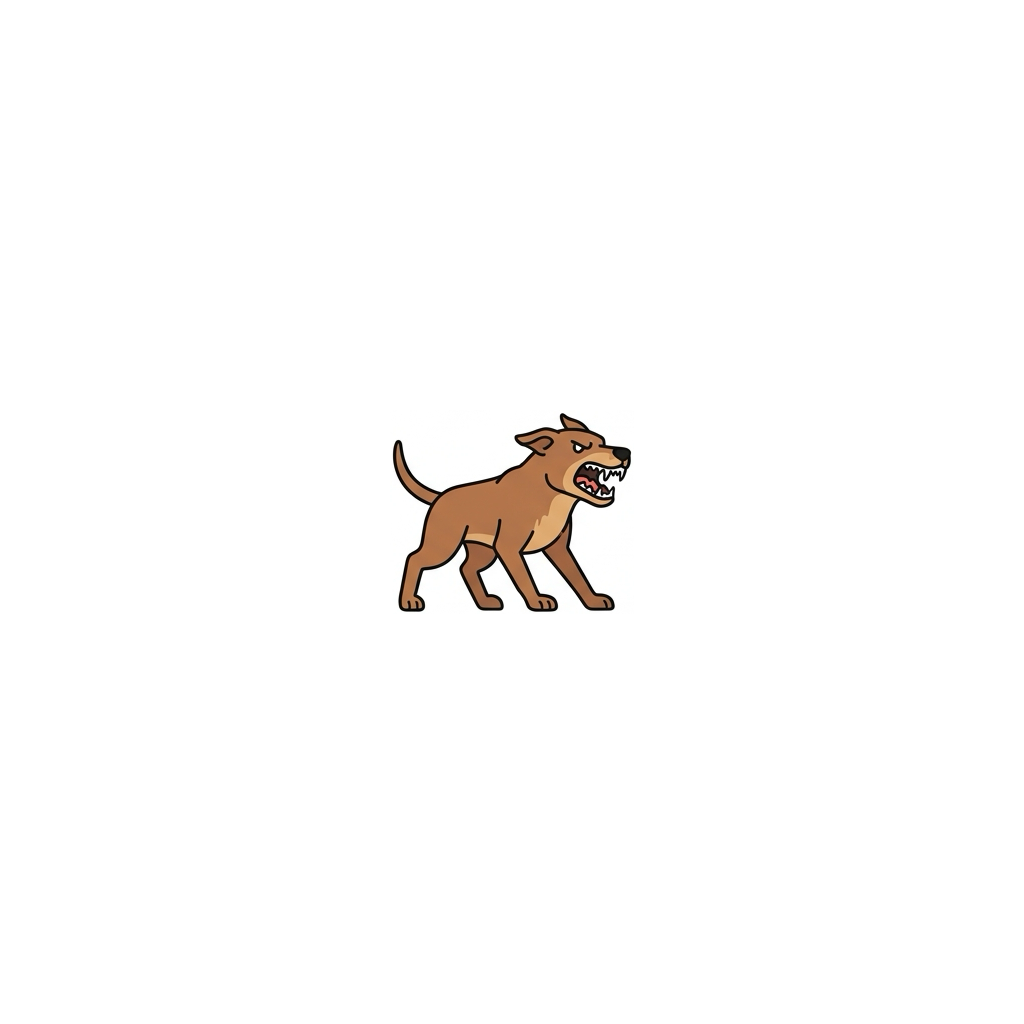
1Feelings of anger and hate that may result in threatening or violent behaviour.emotions
Cảm giác tức giận và căm ghét có thể dẫn đến hành vi đe dọa hoặc bạo lực.
“Video games have been blamed for causing aggression in young people.”
“Trò chơi điện tử đã bị đổ lỗi vì gây ra sự hung hăng ở giới trẻ.”
- Do toy guns encourage aggression?
- It showed no aggression towards other dogs.
- He needs to find ways of releasing his pent-up aggression.
Khi dùng để chỉ cảm xúc cá nhân, đây là danh từ không đếm được. Người học Việt Nam hay nhầm với 'aggressive' (tính từ).
2A violent attack or threats by one person against another person or by one country against another country.politics
Một cuộc tấn công bạo lực hoặc sự đe dọa của một người đối với người khác, hoặc của một quốc gia đối với quốc gia khác.
“The government condemned the unprovoked military aggression by the neighboring state.”
“Chính phủ đã lên án cuộc xâm lược quân sự vô cớ của quốc gia láng giềng.”
- Acts of aggression against local shop owners should be reported to the police.
- Aggression by one nationality against another often leads to war.
- We regard the presence of troops on our border as an act of aggression.
Trong bối cảnh quan hệ quốc tế, 'aggression' thường được dịch là 'sự xâm lược'. Cụm từ 'act of aggression' (hành động xâm lược) rất phổ biến trong báo chí.
Word bank
Common phrases
- act of aggression
- naked aggression
- open aggression
- military aggression
- physical aggression
- show aggression
- express aggression
- curb aggression
Grammar & forms
Grammar
- uncountable
- countable
- countable_uncountable
Inflections
- plural
- aggressions
Word family
- aggressiveadjective
- aggressivelyadverb
- aggressverb
Usage patterns
- aggression against somebody/something
- aggression towards somebody/something
- act of aggression
Avoid mistakes
Common mistakes
He showed a lot of aggressions.
He showed a lot of aggression.
When referring to the feeling or general behavior, 'aggression' is uncountable.
She made an aggression against him.
She committed an act of aggression against him.
We typically say 'an act of aggression' rather than using 'aggression' as a countable noun for a single action in this context.
The dog is aggression.
The dog is aggressive.
Use the adjective 'aggressive' to describe a quality, not the noun.
Stop your aggressive.
Stop your aggression.
Use the noun 'aggression' to refer to the behavior, not the adjective.
aggression to someone
aggression towards/against someone
The standard prepositions are 'towards' or 'against', not 'to'.
Don't confuse with
- assertiveness
the quality of being confident and not frightened to say what you want or believe
“Assertiveness training can help you communicate better without being aggressive.”
Aggression involves hostility or intent to harm; assertiveness is positive confidence.
Academic collocations
Words that pair with "aggression" in formal and academic writing
- verb
- displayexhibitcurbprovokemitigate
- adjective
- physicalverbalmilitaryterritorialunprovoked
- noun
- actlevelformsign
- preposition
- againsttowardsbetween
In context
Real-world examples
- daily life
Children may exhibit aggression if they witness violence at home.
Trẻ em có thể có biểu hiện hung hăng nếu chứng kiến bạo lực trong gia đình.
Trong văn hóa Việt Nam, giáo dục gia đình đóng vai trò quan trọng trong việc hình thành tính cách trẻ nhỏ.
- business
The athlete's aggression on the field helped his team win.
Sự quyết liệt của vận động viên trên sân đã giúp đội của anh ấy giành chiến thắng.
Ở đây, 'aggression' mang nghĩa tích cực là sự quyết đoán, máu lửa trong thi đấu thể thao hoặc kinh doanh.
- academic
The UN security council discussed the act of military aggression.
Hội đồng Bảo an Liên Hợp Quốc đã thảo luận về hành động xâm lược quân sự.
Việt Nam có lịch sử lâu dài chống ngoại xâm, nên thuật ngữ này thường được dùng trong bối cảnh lịch sử và chính trị.
- daily life
We need to find a way to curb road rage and driver aggression.
Chúng ta cần tìm cách kiềm chế sự phẫn nộ và sự hung hăng của người lái xe trên đường.
Vấn đề 'văn hóa giao thông' đang là chủ đề nóng tại các đô thị lớn ở Việt Nam.
- business
His verbal aggression during the meeting was unprofessional.
Sự công kích bằng lời nói của anh ấy trong cuộc họp là thiếu chuyên nghiệp.
Trong môi trường công sở Việt Nam, việc giữ hòa khí ('dĩ hòa vi quý') thường được coi trọng hơn là sự đối đầu trực tiếp.
Notes for Vietnamese speakers
- Trong tiếng Việt, 'aggression' có thể được dịch là 'sự hung hăng' (nghĩa tiêu cực, cá nhân) hoặc 'sự xâm lược' (nghĩa chính trị, quốc gia).
- Người Việt thường đề cao sự nhường nhịn, do đó 'aggression' thường mang sắc thái tiêu cực trừ khi được dùng trong thể thao hoặc cạnh tranh kinh doanh khốc liệt.
- Cần phân biệt rõ giữa 'aggression' (hung hăng/xâm lược) và 'assertiveness' (quyết đoán) để tránh gây hiểu lầm trong giao tiếp công sở tại Việt Nam.
Etymology
From Latin aggressio(n-), from aggress- 'attacked', from the verb aggredi (from ad- 'towards' + gradi 'proceed, walk'). First recorded in the early 17th century denoting an unprovoked attack.
Exam levels
IELTS
7.0
CEFR
C1
TOEIC
805-850
More in Vietnamese
- TFlat Dictionary (Soha)
Từ điển Soha cung cấp các ví dụ và ngữ cảnh sử dụng chuyên sâu.
- Cambridge English–Vietnamese Dictionary
Nghĩa tiếng Việt kèm ví dụ từ Cambridge Dictionary.
- VDict (Anh–Việt)
Từ điển Anh–Việt với ví dụ song ngữ.