after
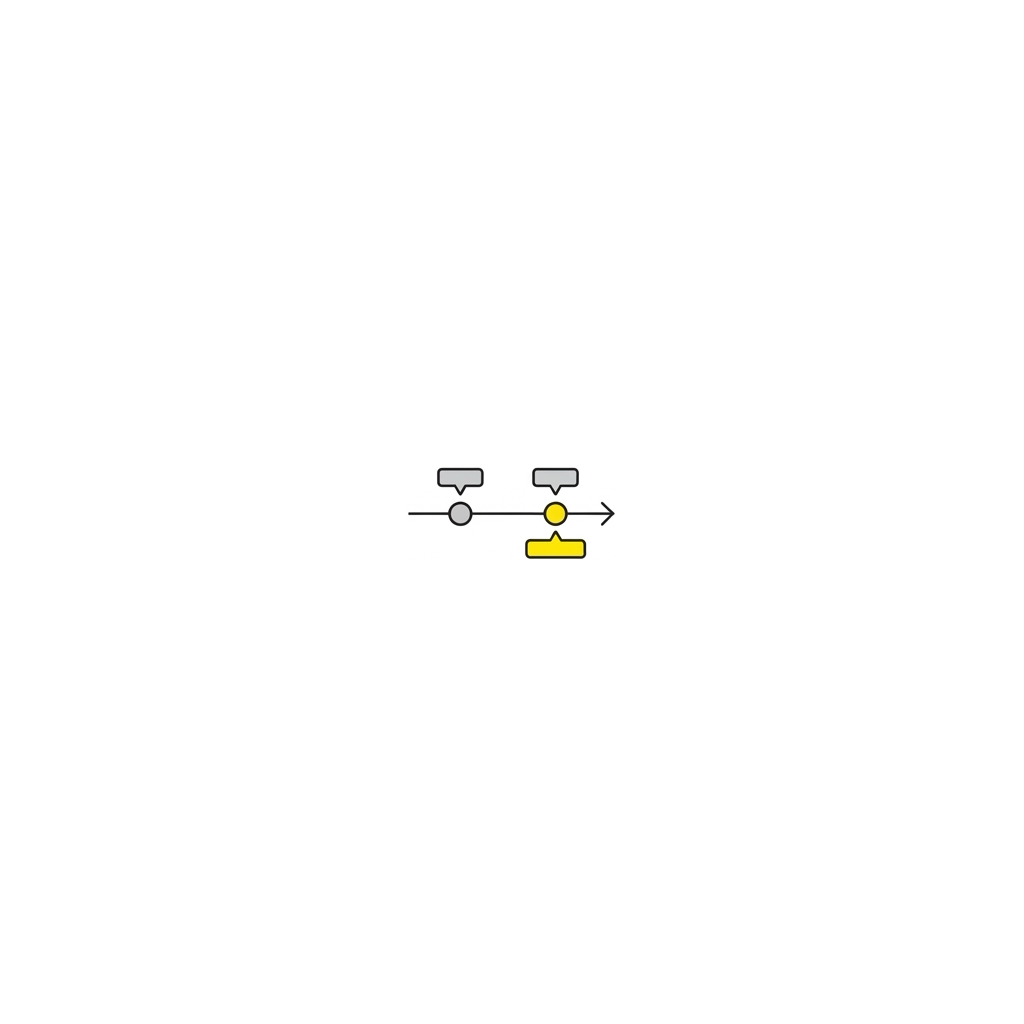
/ˈæftər/At a later time than something, or following something in order or place.
Tiếng Việt
sau, sau khi
ÁP-tờ
Nhấn mạnh vào âm đầu 'ÁP', âm 'tờ' đọc nhẹ và nhanh.
Tại một thời điểm muộn hơn điều gì đó, hoặc theo sau một thứ gì đó về thứ tự hoặc vị trí.
Meanings
12 meanings
1Later than something; following something in time.prepositiondaily life
Muộn hơn một việc gì đó; tiếp sau một sự việc về mặt thời gian.
“We'll leave after lunch.”
“Chúng ta sẽ rời đi sau bữa trưa.”
- I'll see you the day after tomorrow.
- It’s ten minutes after four.
Đây là cách dùng phổ biến nhất. Lưu ý 'the day after tomorrow' là 'ngày kia' trong tiếng Việt.
2Next to and following somebody or something in order or importance.prepositiongeneral
Kế tiếp và theo sau ai đó hoặc cái gì đó về mặt thứ tự hoặc tầm quan trọng.
“Your name comes after mine in the list.”
“Tên của bạn đứng sau tên tôi trong danh sách.”
- H comes after G in the alphabet.
- He was the second man to land on the moon, after Neil Armstrong.
Dùng để chỉ vị trí trong một danh sách hoặc cấp bậc xã hội/công việc.
3Behind somebody when they have left; following somebody.prepositiondaily life
Ở phía sau ai đó khi họ đã rời đi; đi theo sau ai đó.
“Shut the door after you.”
“Hãy đóng cửa sau khi bạn ra ngoài.”
- She ran after him to give him his bag.
- He looked after her as she walked away.
Cụm 'after you' cũng là một cách nói lịch sự khi nhường đường cho ai đó đi trước.
4As a result of or because of something that has happened.prepositionemotions
Kết quả của hoặc bởi vì một điều gì đó đã xảy ra.
“I'll never forgive them after what they did.”
“Tôi sẽ không bao giờ tha thứ cho họ sau những gì họ đã làm.”
- After what she did to me, I’ll never trust her again.
- She decided to resign after the scandal.
Diễn tả quan hệ nhân quả, 'sau' ở đây mang nghĩa là hệ quả của hành động trước đó.
5Trying to find or catch somebody or something.prepositiongeneral
Cố gắng tìm kiếm hoặc bắt giữ ai đó/cái gì đó.
“The police are after them.”
“Cảnh sát đang đuổi theo họ.”
- He’s after Jane’s job.
- Are you after anything in particular?
Thường dùng trong cấu trúc 'be after something/somebody' với nghĩa là săn đuổi hoặc thèm muốn cái gì đó.
6Despite something; although something has happened.prepositionemotions
Mặc dù có điều gì đó; dù cho điều gì đó đã xảy ra.
“I can't believe she'd do that, not after all I've done for her.”
“Tôi không thể tin cô ấy lại làm vậy, nhất là sau tất cả những gì tôi đã làm cho cô ấy.”
- Even after everything that’s happened here, his behavior seems odd.
Dùng để nhấn mạnh sự tương phản hoặc thất vọng khi kết quả không như mong đợi dựa trên nỗ lực trước đó.
7In the style of somebody or something; following the example of somebody.prepositionarts culture
Theo phong cách của ai đó hoặc cái gì đó; theo gương của ai đó.
“A painting after Goya.”
“Một bức họa theo phong cách của Goya.”
- She is named after her aunt.
Thường dùng trong nghệ thuật hoặc khi nói về việc đặt tên (name after).
8Used to show that something happens many times or continuously.prepositiongeneral
Dùng để chỉ điều gì đó xảy ra nhiều lần hoặc liên tục.
“Day after day of hot weather.”
“Hết ngày này qua ngày khác thời tiết cứ nóng bức.”
- Week after week, he’s been too busy to help.
Cấu trúc 'N + after + N' (ví dụ: year after year) dùng để nhấn mạnh sự lặp đi lặp lại gây mệt mỏi hoặc ấn tượng.
9About somebody or something.prepositioncommunication
Về ai đó hoặc cái gì đó.
“She asked after you.”
“Cô ấy đã hỏi thăm về bạn.”
- He inquired after her health.
'Ask after' là một cụm từ cố định mang nghĩa là hỏi thăm sức khỏe hoặc tình hình của ai đó.
10At a time later than something; when something has finished.conjunctiondaily life
Tại một thời điểm muộn hơn một việc gì đó; khi một việc gì đó đã kết thúc.
“I'll call you after I've spoken to them.”
“Tôi sẽ gọi cho bạn sau khi tôi nói chuyện với họ xong.”
- Three months after they moved out, the house was still empty.
- He was captured soon after the fighting began.
Khi nói về tương lai, sau 'after' ta dùng hiện tại đơn hoặc hiện tại hoàn thành, không dùng 'will'.
11Later in time; afterwards.adverbgeneral
Muộn hơn về mặt thời gian; sau đó.
“That was in 1996. Soon after, I heard that he'd died.”
“Đó là vào năm 1996. Chẳng bao lâu sau đó, tôi nghe tin ông ấy đã mất.”
- Hilary got here at midday and Nick arrived soon after.
- They lived happily ever after.
Trong văn nói, 'after' làm trạng từ thường đi kèm với các từ bổ trợ như 'soon', 'shortly', 'long'.
12Following; later.adjectiveliterary
Kế tiếp; sau này.
“In after years, she would look back on this time with happiness.”
“Trong những năm tháng sau này, cô ấy sẽ nhìn lại thời gian này với niềm hạnh phúc.”
- His after experience proved him right.
Cách dùng này mang tính chất văn chương hoặc trang trọng, ít dùng trong giao tiếp hàng ngày.
Word bank
Near synonyms
Common phrases
- day after day
- named after
- ask after
- look after
- shortly after
- soon after
- immediately after
- ever after
- after years
Grammar & forms
Grammar
- transitive
- linking
- intransitive
Word family
- afterwardsadverb
- aftermathnoun
Usage patterns
- after something
- after somebody
- after clause
Avoid mistakes
Common mistakes
I will call you after I will arrive.
I will call you after I arrive.
Use the present tense, not the future tense, in time clauses with 'after' when referring to the future.
We went to the cinema and after we ate dinner.
We went to the cinema and afterwards we ate dinner.
'After' usually needs an object (after the movie). Use 'afterwards' or 'later' when there is no object.
Don't confuse with
- afterwards
at a later time (adverb only)
“We had dinner and went home afterwards.”
'After' can be a preposition (followed by a noun), 'afterwards' cannot.
- later
at a time in the future
“I will see you later.”
'Later' is often used for the future relative to now; 'after' usually relates two specific events.
Academic collocations
Words that pair with "after" in formal and academic writing
- verb
- occurfollowhappen
- adjective
- shortlyimmediatelysoon
- noun
- periodtimeanalysis
- preposition
- after
In context
Real-world examples
- daily life
We usually go for a walk after dinner.
Chúng tôi thường đi dạo sau bữa tối.
Thói quen đi dạo sau bữa tối (đi tản bộ) rất phổ biến trong các gia đình Việt Nam để thư giãn.
- business
Please send the report to me immediately after the meeting.
Vui lòng gửi báo cáo cho tôi ngay sau cuộc họp.
Trong môi trường công sở Việt Nam, tính kịp thời sau các sự kiện quan trọng là rất được coi trọng.
- academic
After graduating from university, he decided to work for a non-profit organization.
Sau khi tốt nghiệp đại học, anh ấy quyết định làm việc cho một tổ chức phi lợi nhuận.
Cột mốc 'sau khi tốt nghiệp' là một bước ngoặt quan trọng trong lộ trình sự nghiệp của người trẻ Việt Nam.
Notes for Vietnamese speakers
- Trong tiếng Việt, 'sau' có thể chỉ cả thời gian và không gian, tương đương với 'after' và 'behind' trong tiếng Anh.
- Người Việt thường dùng cấu trúc 'Sau khi + hành động' để diễn tả trình tự thời gian, tương ứng với 'After + V-ing/Clause'.
- Trong văn hóa đặt tên, cấu trúc 'named after' (đặt tên theo) thường được dùng để tưởng nhớ tổ tiên hoặc người thân đã khuất [VERIFY_CULTURE].
Etymology
Old English æfter 'following, behind', comparative of af 'off'. Cognate with Old Frisian efter, Old Saxon aftar, and Dutch achter. The sense development moved from 'behind in place' to 'later in time'.
Exam levels
IELTS
4.0
CEFR
A1
TOEIC
0-250
More in Vietnamese
- TFlat Dictionary (Soha)
Cung cấp nhiều ví dụ thực tế và các nghĩa phái sinh của từ.
- Cambridge English–Vietnamese Dictionary
Nghĩa tiếng Việt kèm ví dụ từ Cambridge Dictionary.
- VDict (Anh–Việt)
Từ điển Anh–Việt với ví dụ song ngữ.