abusive
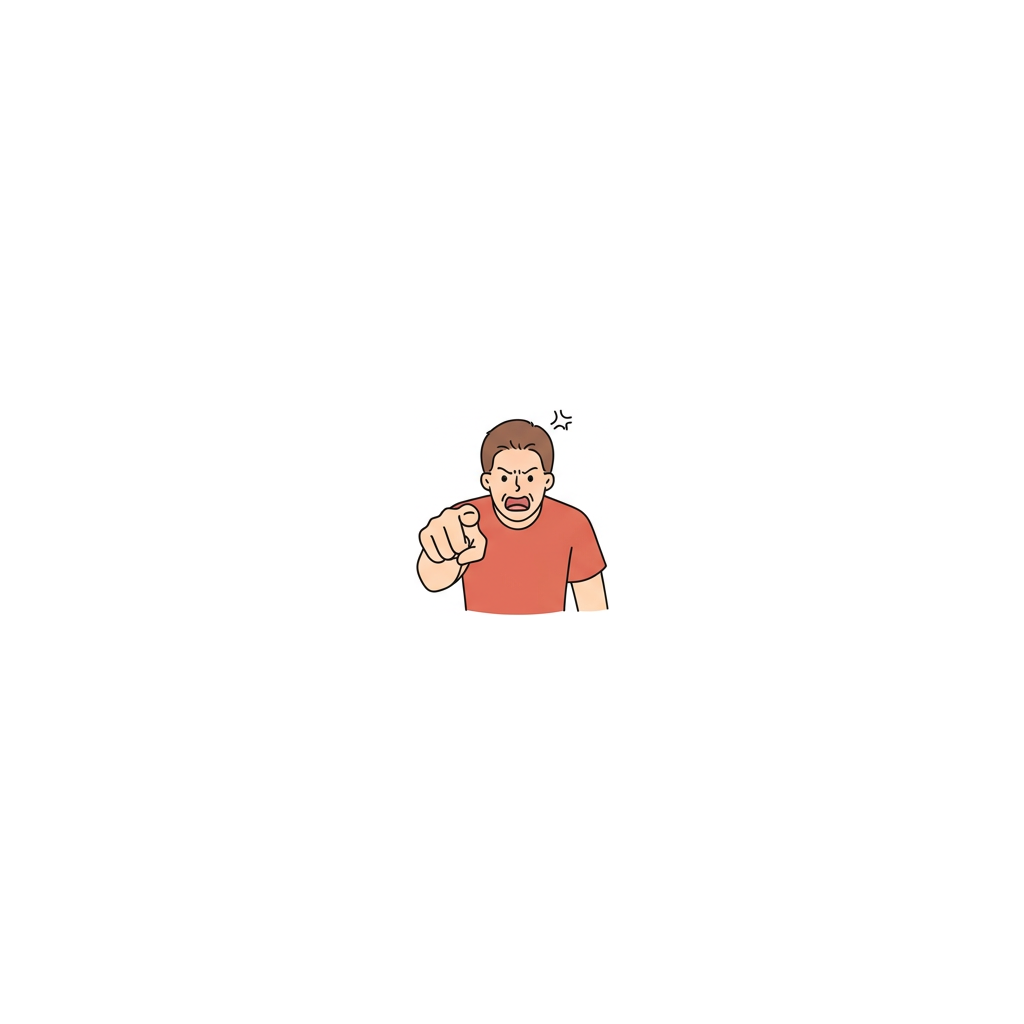
/əˈbjuːsɪv/Using rude and offensive words, involving violence, or using power unfairly.
Tiếng Việt
lăng mạ, bạo hành, lạm dụng
ơ-BIU-síp
Nhấn trọng âm vào âm tiết thứ hai 'BIU', âm cuối đọc nhẹ như 'síp' nhưng kết thúc bằng âm /v/ gió.
Sử dụng lời lẽ thô lỗ và xúc phạm, có hành vi bạo lực, hoặc lạm dụng quyền lực một cách bất công.
Meanings
3 meanings
1Rude and offensive; criticizing rudely and unfairly.communication
Thô lỗ và xúc phạm; chỉ trích một cách thô bạo và bất công (lăng mạ, chửi rủa).
“She was sacked for sending an abusive email to a colleague.”
“Cô ấy đã bị sa thải vì gửi một email lăng mạ đồng nghiệp.”
- He became abusive and had to be asked to leave.
- The referee was subjected to abusive language and remarks from the crowd.
- They received several abusive calls and comments.
Thường dùng với 'language' (ngôn từ) hoặc 'behavior' (hành vi). Trong tiếng Việt, ngữ cảnh này tương đương với 'lăng mạ' hoặc 'chửi bới'.
2Involving physical or emotional violence.family
Liên quan đến bạo lực thể chất hoặc tinh thần (bạo hành).
“She finally found the courage to leave an abusive relationship.”
“Cuối cùng cô ấy cũng tìm được can đảm để rời bỏ một mối quan hệ bạo hành.”
- He had an abusive childhood that affected him deeply.
- The shelter provides a safe haven for victims of abusive partners.
Rất hay đi kèm với 'relationship' (mối quan hệ) hoặc 'partner' (bạn đời/người yêu). Dịch chuẩn nhất trong tiếng Việt là 'bạo hành' (bao gồm cả thể chất lẫn tinh thần).
3Involving the bad or wrong use of something, especially power or knowledge, for personal advantage.business
Liên quan đến việc sử dụng sai trái hoặc tồi tệ một thứ gì đó, đặc biệt là quyền lực hoặc kiến thức, vì lợi ích cá nhân (lạm dụng, lộng quyền).
“The former chairman was found guilty of abusive practices and banned from buying or selling shares.”
“Cựu chủ tịch bị kết tội có các hành vi lạm quyền và bị cấm mua bán cổ phiếu.”
- The government promised to stop the abusive practices of some businesses.
- Workers complained of abusive conditions, where they were forced to work 18 hours a day.
Trong ngữ cảnh kinh doanh hoặc pháp lý, 'abusive' mang nghĩa 'lạm dụng' (như lạm dụng quyền lực - abusive of power) hoặc 'bóc lột' (abusive practices).
Word bank
Near synonyms
Antonyms
Common phrases
- be abusive
- become abusive
- get abusive
- extremely abusive
- very abusive
- rather abusive
- abusive relationship
- abusive language
- abusive behavior
Grammar & forms
Avoid mistakes
Common mistakes
He was very abuse to me.
He was very abusive to me.
Use the adjective form 'abusive' to describe someone's behavior, not the noun 'abuse'.
She is in an abused relationship.
She is in an abusive relationship.
The relationship itself causes harm, so it is 'abusive' (active), not 'abused' (passive).
The company's abusive of power was investigated.
The company's abuse of power was investigated.
Use the noun 'abuse' when referring to the act of misusing something like power.
He spoke to her abusive.
He spoke to her abusively.
Use the adverb 'abusively' to modify a verb like 'spoke'.
They used abusive words against him.
They used abusive language towards him.
'Abusive language' is a much more natural and common collocation than 'abusive words'.
Don't confuse with
- abused
having suffered abuse or mistreatment
“The shelter takes in abused animals.”
Use 'abusive' for the person or behavior causing harm, and 'abused' for the victim receiving it.
Academic collocations
Words that pair with "abusive" in formal and academic writing
- verb
- becomeremainreportexperience
- adjective
- highlyverballyphysicallyemotionally
- noun
- relationshipbehaviorlanguagepracticespower
- preposition
- towardsto
In context
Real-world examples
- daily life
The customer became abusive when his order was delayed.
Khách hàng trở nên thô lỗ và buông lời lăng mạ khi đơn hàng bị trễ.
Ngành dịch vụ ở Việt Nam ngày càng chú trọng đến việc bảo vệ nhân viên khỏi các khách hàng có hành vi lăng mạ.
- family
She is recovering from an abusive marriage.
Cô ấy đang hồi phục sau một cuộc hôn nhân bạo hành.
Vấn đề bạo lực gia đình (bạo hành) đang được xã hội và pháp luật Việt Nam quan tâm và lên án mạnh mẽ.
- business
The manager was fired for his abusive behavior towards staff.
Người quản lý đã bị sa thải vì hành vi lăng mạ và chèn ép nhân viên.
Môi trường công sở hiện đại ở Việt Nam không chấp nhận văn hóa quản lý độc hại hay lạm quyền.
- technology
Online platforms are trying to filter out abusive language.
Các nền tảng trực tuyến đang cố gắng lọc bỏ những ngôn từ xúc phạm.
Luật An ninh mạng tại Việt Nam có các quy định nghiêm ngặt về việc sử dụng ngôn từ xúc phạm trên mạng xã hội.
- academic
The report highlighted abusive practices in the supply chain.
Bản báo cáo đã nêu bật những hành vi lạm dụng trong chuỗi cung ứng.
Trong bối cảnh hội nhập, các doanh nghiệp Việt Nam phải tuân thủ các tiêu chuẩn lao động quốc tế, tránh bóc lột người lao động.
Notes for Vietnamese speakers
- Trong văn hóa Việt Nam, từ 'abusive' thường được dịch linh hoạt theo ngữ cảnh: 'lăng mạ/chửi rủa' (về lời nói), 'bạo hành' (về thể chất/tinh thần trong gia đình), và 'lạm dụng/lộng quyền' (trong công việc/quyền lực).
- Khái niệm 'abusive relationship' (mối quan hệ bạo hành) ngày càng được thảo luận cởi mở hơn trên các phương tiện truyền thông Việt Nam, đặc biệt là bạo hành tinh thần (emotional abuse), điều mà trước đây ít được chú ý.
Etymology
From French 'abusif' or Latin 'abusivus', from 'abusus' (misused), past participle of 'abuti' (to misuse). First recorded in English in the late 16th century.
Exam levels
IELTS
7.5
CEFR
C2
TOEIC
855-990
More in Vietnamese
- Cambridge English–Vietnamese Dictionary
Nghĩa tiếng Việt kèm ví dụ từ Cambridge Dictionary.
- VDict (Anh–Việt)
Từ điển Anh–Việt với ví dụ song ngữ.