offence
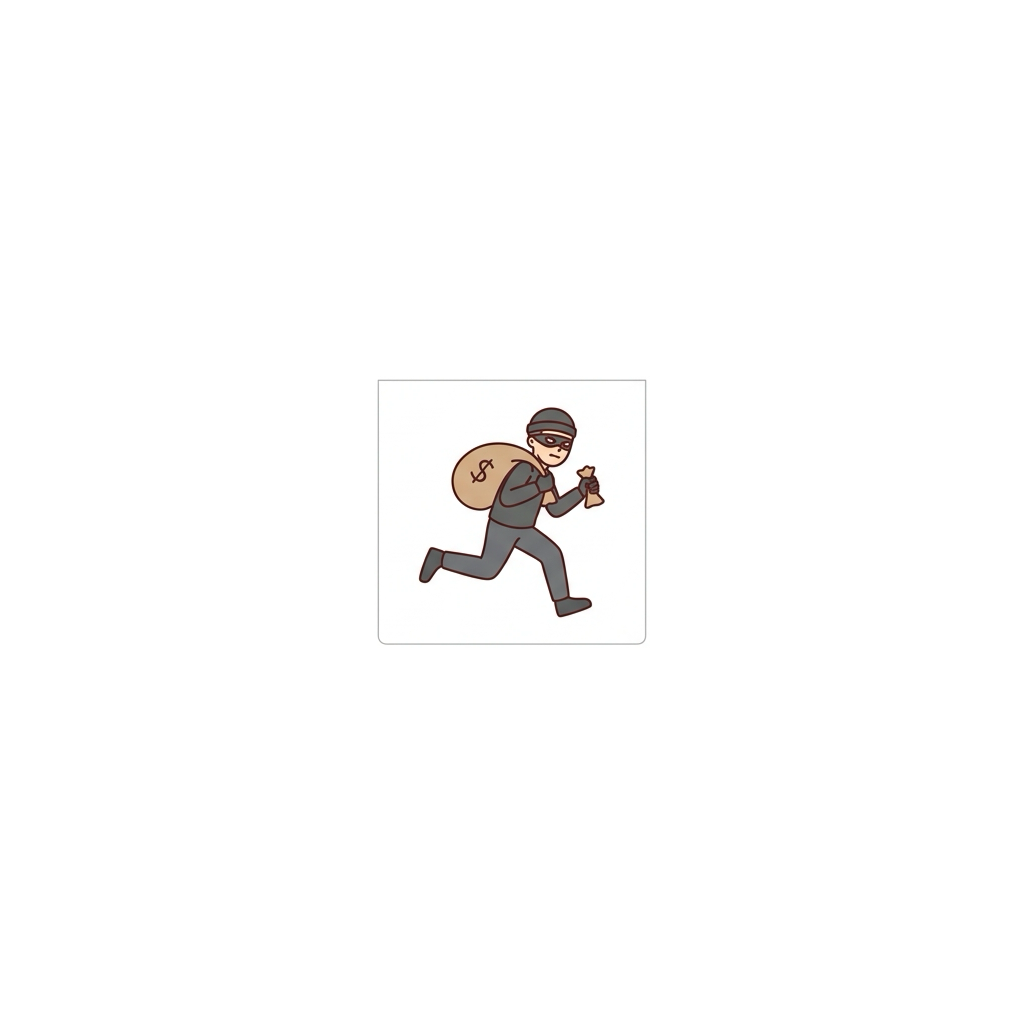
/əˈfens/An illegal act or the feeling of being upset and angry because of something said or done.
Tiếng Việt
sự xúc phạm / hành vi vi phạm
ờ-PHÉN-sờ
Nhấn mạnh vào âm tiết thứ hai 'fense'. Âm 's' ở cuối cần được phát âm nhẹ bằng cách đẩy hơi qua răng.
Một hành vi phạm pháp hoặc cảm giác khó chịu, tức giận vì một lời nói hoặc hành động nào đó.
Meanings
5 meanings
1An act that is against the law; a crime.politics
Một hành vi trái pháp luật; một tội danh hoặc sự vi phạm.
“He was charged with a serious driving offence.”
“Anh ta bị cáo buộc với một vi phạm lái xe nghiêm trọng.”
- Motorists may be fined on the spot for driving offences such as speeding.
- The offence is punishable by up to three months' imprisonment.
- It is a criminal offence to inflict cruelty on any wild animal.
- The rebels could face charges of treason, a capital offence.
Trong ngữ cảnh pháp luật, 'offence' thường đi kèm với động từ 'commit' (phạm tội/vi phạm). Đừng dùng 'do' hoặc 'make'.
2The feeling of being upset, annoyed, or insulted by something that someone has said or done.emotions
Cảm giác khó chịu, bực bội hoặc bị xúc phạm bởi lời nói hoặc hành động của người khác.
“The photo may cause offence to some people.”
“Bức ảnh có thể gây xúc phạm đối với một số người.”
- She took offence at the way the assistant spoke to her.
- He was careful not to give offence to his hosts.
- I'm sure he didn't mean to cause any offence.
Khi dùng với nghĩa này, 'offence' thường là danh từ không đếm được. Cụm từ 'take offence' (tự ái, cảm thấy bị xúc phạm) rất phổ biến trong giao tiếp.
3Used to say that you do not mean to upset or show a lack of respect for somebody by something you say or do.communication
Được dùng để nói rằng bạn không có ý làm phiền lòng hay tỏ thái độ thiếu tôn trọng với ai đó qua lời nói hoặc hành động.
“No offence, but I'd really like to be on my own.”
“Không có ý gì đâu (đừng tự ái nhé), nhưng tôi thực sự muốn được ở một mình.”
- No offence intended, but your plan seems a bit impractical.
- I hope you won't take this the wrong way—no offence meant.
Cụm 'No offence' tương đương với 'Không có ý gì đâu' hoặc 'Đừng tự ái nhé' trong tiếng Việt. Thường dùng trước khi đưa ra một nhận xét có thể gây mất lòng.
4A wrong action that is considered serious enough to lose one's job.office work
Một hành động sai trái được coi là đủ nghiêm trọng để bị mất việc.
“Drinking alcohol while on duty is a sackable offence.”
“Uống rượu trong khi làm nhiệm vụ là một vi phạm dẫn đến bị sa thải.”
- Gross misconduct is a sackable offence in this company.
'Sackable offence' là một thuật ngữ cố định trong môi trường công sở, dịch sát nghĩa là 'vi phạm đến mức bị đuổi việc'.
5The team that has possession of the ball or the part of a game concerned with attacking and scoring.sports
Đội đang kiểm soát bóng hoặc phần của trận đấu liên quan đến tấn công và ghi điểm.
“The team’s offence has improved significantly this season.”
“Hàng công của đội đã cải thiện đáng kể trong mùa giải này.”
- They have the best offence in the league.
Trong bóng đá (football/soccer), người ta thường dùng từ 'attack' nhiều hơn, trong khi 'offense/offence' phổ biến hơn trong bóng rổ hoặc bóng bầu dục Mỹ.
Word bank
Common phrases
- criminal offence
- serious offence
- minor offence
- cause offence
- take offence
- give offence
- commit an offence
- first offence
Grammar & forms
Grammar
- countable
- uncountable
- countable_uncountable
Inflections
- plural
- offences
Word family
- offensiveadjective
- offensivelyadverb
- offence, offendernoun
- offendverb
Usage patterns
- offence against something
- take offence at something
- cause offence to somebody
- commit an offence
Avoid mistakes
Common mistakes
He did a criminal offence.
He committed a criminal offence.
The verb 'commit' is the standard collocation for crimes/offences.
She took offence with his words.
She took offence at his words.
The correct preposition after 'take offence' is 'at'.
It was a very serious offense.
It was a very serious offence.
In British English, the spelling is 'offence'.
No offence but I don't like you.
No offence, but I don't like you.
Always use a comma after 'No offence' when it starts a sentence.
His behavior caused a lot of offences.
His behavior caused a lot of offence.
When referring to feelings of being upset, 'offence' is usually uncountable.
Academic collocations
Words that pair with "offence" in formal and academic writing
- verb
- constitutereportinvestigateprosecute
- adjective
- allegedindictablestatutorypunishable
- noun
- offence categoryoffence rateoffence type
- preposition
- for an offenceguilty of an offence
In context
Real-world examples
- legal
In Vietnam, operating a vehicle after consuming alcohol is a serious traffic offence.
Tại Việt Nam, điều khiển phương tiện sau khi uống rượu bia là một hành vi vi phạm giao thông nghiêm trọng.
Phản ánh luật giao thông nghiêm ngặt (Nghị định 100) đang được thực thi quyết liệt tại Việt Nam.
- daily life
Please don't take offence, but your pronunciation needs a bit more practice.
Đừng tự ái nhé, nhưng phát âm của bạn cần luyện tập thêm một chút.
Người Việt thường có tâm lý e ngại khi bị góp ý trực tiếp, vì vậy cụm từ 'đừng tự ái' (no offence) rất quan trọng để giữ hòa khí.
- business
The company policy states that disclosing trade secrets is a sackable offence.
Chính sách công ty quy định rằng việc tiết lộ bí mật kinh doanh là một vi phạm dẫn đến sa thải.
Phù hợp với môi trường làm việc chuyên nghiệp và các quy định về bảo mật thông tin tại Việt Nam.
- sports
The team's offence was weak, failing to score any goals during the match.
Hàng công của đội bóng rất yếu, không ghi được bàn thắng nào trong suốt trận đấu.
Bóng đá là môn thể thao vua tại Việt Nam, thuật ngữ 'hàng công' (offence/attack) được sử dụng thường xuyên trên báo chí thể thao.
Notes for Vietnamese speakers
- Trong văn hóa Việt Nam, khái niệm 'lòng tự trọng' rất cao, vì vậy việc 'cause offence' (gây xúc phạm) có thể dẫn đến rạn nứt mối quan hệ lâu dài. Khi muốn góp ý, người Việt thường bắt đầu bằng cách nói giảm nói tránh.
- Từ 'offence' trong ngữ cảnh pháp luật thường được dịch là 'vi phạm' hoặc 'tội' tùy theo mức độ nghiêm trọng (ví dụ: vi phạm hành chính vs. tội phạm hình sự).
- Người học Việt Nam thường nhầm lẫn giữa 'offence' (danh từ) và 'offend' (động từ).
Etymology
Middle English (in the sense ‘stumbling, sin’): from Old French ofense, from Latin offensa ‘a striking against’, from the verb offendere (see offend). The spelling with -ce (formerly also common in the US) follows the pattern of words like defense and pretence. (Source: Oxford Dictionary of English Etymology)
Exam levels
IELTS
6.5
CEFR
B2
TOEIC
705-800
More in Vietnamese
- TFlat Dictionary (Soha)
Tra cứu nghĩa chuyên ngành pháp luật và thể thao của từ 'offence'.
- Cambridge English–Vietnamese Dictionary
Nghĩa tiếng Việt kèm ví dụ từ Cambridge Dictionary.
- VDict (Anh–Việt)
Từ điển Anh–Việt với ví dụ song ngữ.