obsolete
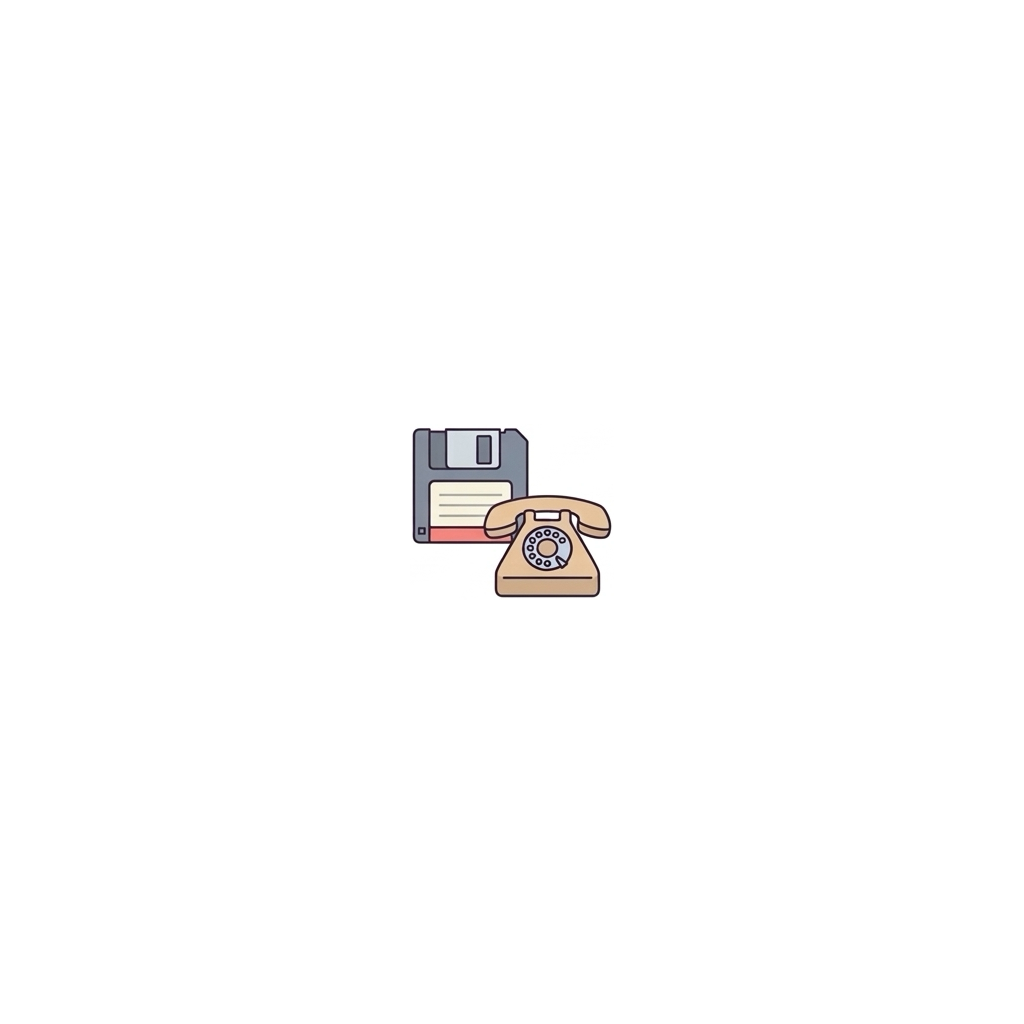
/ˌɑːbsəˈliːt/No longer used because something new has been invented or because it has been replaced by something newer and better.
Tiếng Việt
lỗi thời
ÓP-sơ-lít
Nhấn mạnh âm đầu ÓP, âm 'sơ' đọc lướt, âm cuối 'lít' có âm 't' bật nhẹ ở cuối.
Không còn được sử dụng do đã có thứ mới hơn, tốt hơn thay thế.
Meanings
4 meanings
1No longer used because something new has been invented or because it has been replaced by something newer and better.adjectivegeneral
Không còn được sử dụng nữa vì một thứ mới đã được phát minh hoặc vì nó đã bị thay thế bởi một thứ mới hơn và tốt hơn.
“Payment by cheque will soon be obsolete.”
“Việc thanh toán bằng séc sẽ sớm trở nên lỗi thời.”
- Traditional retailing is in danger of being rendered obsolete by the internet.
- We need to replace some obsolete equipment.
- With the rapid pace of technological change, these devices quickly become obsolete.
Cấu trúc phổ biến nhất là 'become obsolete' (trở nên lỗi thời) hoặc 'render something obsolete' (làm cho cái gì đó trở nên lỗi thời). Người học thường nhầm lẫn với 'old' (cũ), nhưng 'obsolete' nhấn mạnh việc không còn giá trị sử dụng.
2Imperfectly developed or not very distinct.adjectiveacademic
Phát triển không hoàn thiện hoặc không rõ ràng (thường dùng trong sinh học để chỉ sự tiêu biến).
“The obsolete wings of the flightless bird are barely visible to the naked eye.”
“Đôi cánh tiêu biến của loài chim không biết bay gần như không thể nhìn thấy bằng mắt thường.”
Nghĩa này rất hiếm gặp trong giao tiếp hàng ngày, chủ yếu xuất hiện trong các tài liệu sinh học hoặc học thuật chuyên sâu (dịch là 'tiêu biến').
3To cause something to become obsolete by replacing it with something newer.verbtechnology
Làm cho một thứ gì đó trở nên lỗi thời bằng cách thay thế nó bằng một thứ mới hơn.
“The rapid adoption of streaming services obsoleted physical DVD rentals.”
“Việc nhanh chóng đón nhận các dịch vụ phát trực tuyến đã đào thải dịch vụ cho thuê đĩa DVD vật lý.”
Dạng động từ của 'obsolete' ít phổ biến hơn dạng tính từ. Trong tiếng Việt, ta thường dịch là 'làm cho lỗi thời' hoặc 'đào thải'.
4A person or thing that is no longer used or has been replaced.noungeneral
Một người hoặc vật không còn được sử dụng hoặc đã bị thay thế.
“The museum's collection is filled with technological obsoletes from the early computing era.”
“Bộ sưu tập của bảo tàng chứa đầy những món đồ công nghệ lỗi thời từ kỷ nguyên máy tính sơ khai.”
Dạng danh từ này khá hiếm, thường dùng số nhiều 'obsoletes' để chỉ những món đồ hoặc vật dụng đã bị đào thải.
Word bank
Near synonyms
Common phrases
- become obsolete
- make something obsolete
- completely obsolete
- totally obsolete
- increasingly obsolete
- obsolete technology
- obsolete equipment
- obsolete older models
- obsolete previous versions
Grammar & forms
Grammar
- transitive
- countable
Inflections
- third_person_singular
- obsoletes
- past_simple
- obsoleted
- past_participle
- obsoleted
- present_participle
- obsoleting
- plural
- obsoletes
Word family
- obsoletelyadverb
- obsolescencenoun
Usage patterns
- become obsolete
- make something obsolete
- render something obsolete
- obsolete something
Avoid mistakes
Common mistakes
His phone is more obsolete than mine.
His phone is older than mine.
Obsolete is an absolute adjective meaning 'no longer in use'. Things cannot usually be 'more' obsolete, though they can be 'increasingly obsolete'.
The machine was obsoleted.
The machine became obsolete.
While 'obsolete' can be used as a verb in technical contexts, it is much more natural and common to use it as an adjective with 'become' or 'make'.
We are using an obsoleted technology.
We are using an obsolete technology.
Use the base adjective form 'obsolete' to describe nouns, not the past participle 'obsoleted'.
The system is obsolete from the new update.
The system was made obsolete by the new update.
Use 'made obsolete by' or 'rendered obsolete by' to indicate the cause of the obsolescence.
It is an obsolescent technology. (When referring to something completely unused)
It is an obsolete technology.
Use 'obsolete' for things no longer used at all. 'Obsolescent' means it is currently in the process of becoming obsolete but is still used.
Don't confuse with
- obsolescent
in the process of becoming obsolete
“CDs are obsolescent, while floppy disks are completely obsolete.”
Use 'obsolete' when something is already dead or unused; use 'obsolescent' when it is currently dying out.
Academic collocations
Words that pair with "obsolete" in formal and academic writing
- verb
- renderbecomemake
- adjective
- completelyvirtuallyrapidly
- noun
- technologyequipmentsystem
- preposition
- byin
In context
Real-world examples
- daily life
Many traditional farming tools have become obsolete with the introduction of modern machinery.
Nhiều nông cụ truyền thống đã trở nên lỗi thời với sự xuất hiện của máy móc hiện đại.
Nông nghiệp Việt Nam đang cơ giới hóa nhanh chóng, thay thế cày cuốc và sức kéo truyền thống bằng máy móc.
- business
The company's old billing system was rendered obsolete by the new software.
Hệ thống thanh toán cũ của công ty đã bị phần mềm mới làm cho lỗi thời.
Các doanh nghiệp Việt Nam đang trong quá trình chuyển đổi số mạnh mẽ, loại bỏ các hệ thống quản lý cũ.
- academic
In academic writing, citing obsolete research can weaken your argument.
Trong văn phong học thuật, việc trích dẫn các nghiên cứu đã lỗi thời có thể làm suy yếu lập luận của bạn.
Sinh viên đại học tại Việt Nam thường được giảng viên nhắc nhở phải cập nhật tài liệu tham khảo mới nhất, tránh dùng số liệu cũ.
- technology
Typewriters and pagers are now considered obsolete technology.
Máy đánh chữ và máy nhắn tin hiện nay được coi là công nghệ lỗi thời.
Sự phát triển nhanh chóng của công nghệ tại Việt Nam khiến nhiều thiết bị cũ nhanh chóng bị loại bỏ khỏi đời sống.
- daily life
Some old administrative procedures are becoming obsolete thanks to e-government initiatives.
Một số thủ tục hành chính cũ đang trở nên lỗi thời nhờ các sáng kiến chính phủ điện tử.
Quá trình số hóa thủ tục hành chính (như việc bỏ sổ hộ khẩu giấy) đang diễn ra phổ biến ở Việt Nam.
Notes for Vietnamese speakers
- Trong tiếng Việt, 'lỗi thời' thường mang sắc thái tiêu cực nhẹ khi nói về công nghệ hoặc phương pháp, nhưng đôi khi chỉ đơn thuần là sự mô tả khách quan về sự thay đổi của thời đại.
- Người Việt cũng hay dùng các từ lóng hoặc từ mượn như 'cổ lỗ sĩ' hoặc 'outdate' (bắt nguồn từ outdated) trong văn nói hàng ngày để chỉ những thứ lỗi thời.
Etymology
Late 16th century: from Latin obsoletus 'grown old, worn out', past participle of obsolescere 'fall into disuse'.
Exam levels
IELTS
7.0
CEFR
C1
TOEIC
805-850
More in Vietnamese
- Cambridge English–Vietnamese Dictionary
Nghĩa tiếng Việt kèm ví dụ từ Cambridge Dictionary.
- VDict (Anh–Việt)
Từ điển Anh–Việt với ví dụ song ngữ.