attract
/əˈtrækt/To cause someone or something to come towards something else, or to cause interest or liking
Tiếng Việt
thu hút
ờ-TRÁC-từ
Nhấn mạnh vào âm tiết thứ hai 'TRÁC', âm cuối 't' phát âm nhẹ
Làm cho ai đó hoặc cái gì đó tiến lại gần, hoặc tạo ra sự quan tâm, yêu thích.
Meanings
6 meanings
1To make someone or something come somewhere or take part in somethinggeneral
Thu hút, lôi cuốn ai đó hoặc cái gì đó đến một nơi nào đó hoặc tham gia vào việc gì đó
“The exhibition attracted over 10,000 visitors.”
“Triển lãm đã thu hút hơn 10.000 khách tham quan.”
- Officials hope to attract more tourists to the area.
- The club is trying to attract new members.
- The event attracted people from all over the world.
Thường dùng với các danh từ chỉ số lượng như 'visitors', 'tourists', 'investment'.
2To cause a particular reaction or response from peoplegeneral
Gây ra một phản ứng hoặc sự đáp lại cụ thể từ mọi người
“The proposal has attracted a lot of criticism.”
“Đề xuất đã vấp phải rất nhiều sự chỉ trích.”
- His comments attracted widespread condemnation.
- The trial has attracted international attention.
- Fuel-cell technology is attracting a lot of interest.
Trong ngữ cảnh này, 'attract' thường đi với 'criticism', 'attention', hoặc 'interest'.
3To interest someone and make them want something; (usually passive) to like or admire somethingemotions
Làm cho ai đó quan tâm và mong muốn điều gì; (thường dùng ở bị động) yêu thích hoặc ngưỡng mộ điều gì
“I had always been attracted by the idea of working abroad.”
“Tôi luôn bị thu hút bởi ý tưởng làm việc ở nước ngoài.”
- What attracted you to this job?
- I was attracted by the salary and the flexible hours.
- She was immediately attracted to the beautiful old house.
Khi nói về việc bị lôi cuốn bởi một ý tưởng hay sự vật, hãy dùng cấu trúc 'be attracted by'.
4To have a sexual or romantic interest in someonerelationships
Có sức hút, lôi cuốn về mặt tình cảm hoặc tình dục đối với ai đó
“I am not attracted to him at all.”
“Tôi hoàn toàn không thấy anh ấy có chút sức hút nào.”
- He was physically attracted to her.
- Opposites attract (idiom).
Dùng cấu trúc 'be attracted to somebody' để chỉ cảm giác bị thu hút bởi một người nào đó.
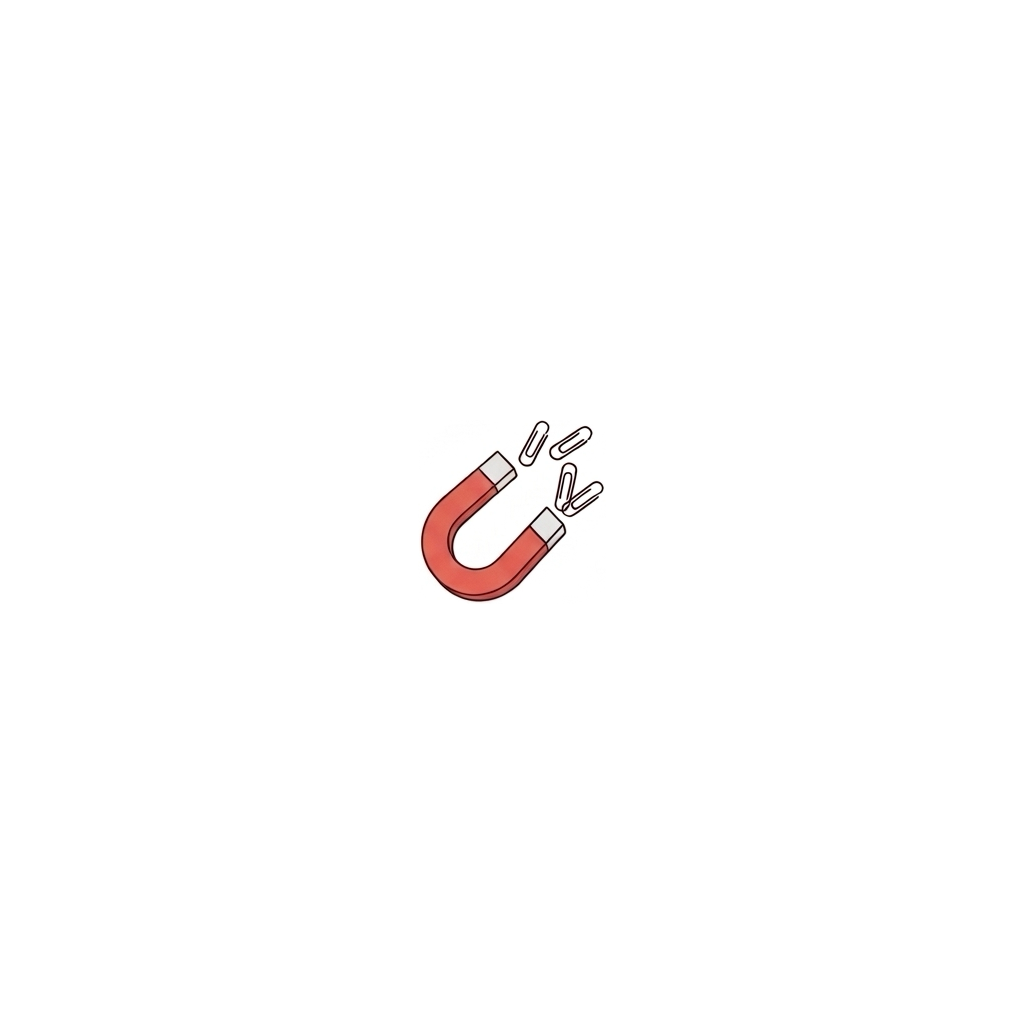
5To pull something towards itself by a physical force like gravity or magnetismtechnical
Hút cái gì đó về phía mình bằng lực vật lý như trọng lực hoặc từ tính
“A magnet attracts iron filings.”
“Nam châm hút mạt sắt.”
- The earth's gravity attracts objects towards its center.
- Positive and negative charges attract each other.
Đây là nghĩa đen trong khoa học, trái nghĩa với 'repel' (đẩy).
6To result in a particular charge, tax, or interest rate being appliedbusiness
Dẫn đến việc bị áp dụng một loại phí, thuế hoặc lãi suất cụ thể
“Payments by credit card attract a 2% handling charge.”
“Thanh toán bằng thẻ tín dụng sẽ chịu mức phí xử lý 2%.”
- The loan attracts a low rate of interest.
- Savings accounts attract tax unless they are in an ISA.
Dùng trong ngữ cảnh tài chính trang trọng, tương đương với 'incur' hoặc 'be subject to'.
Word bank
Grammar & forms
Grammar
- transitive
Inflections
- third_person_singular
- attracts
- past_simple
- attracted
- past_participle
- attracted
- present_participle
- attracting
Word family
- attractiveadjective
- attractivelyadverb
- attractionnoun
Usage patterns
- attract somebody/something
- be attracted to somebody
- be attracted by something
Avoid mistakes
Common mistakes
I am attract to him.
I am attracted to him.
Use the passive form 'be attracted to' for feelings/romance.
The flower attracts to bees.
The flower attracts bees.
'Attract' is transitive; it acts directly on the object (bees), no preposition needed.
He attracted by the offer.
He was attracted by the offer.
Passive voice requires the auxiliary verb 'be' (was/is/are).
Don't confuse with
- distract
to take someone's attention away from something
“Don't let the noise distract you.”
Attract pulls attention TOWARDS; distract pulls attention AWAY.
Academic collocations
Words that pair with "attract" in formal and academic writing
- verb
- attractgarnerdraw
- adjective
- widespreadconsiderableinternational
- noun
- attentioncriticismfundinginterest
- preposition
- toby
In context
Real-world examples
- business
Vietnam aims to attract more high-tech investment from multinational corporations.
Việt Nam đặt mục tiêu thu hút thêm nhiều vốn đầu tư công nghệ cao từ các tập đoàn đa quốc gia.
Việt Nam đang là điểm đến hấp dẫn cho các tập đoàn FDI lớn như Samsung hay Apple.
- travel
The ancient town of Hoi An attracts millions of tourists every year.
Phố cổ Hội An thu hút hàng triệu lượt khách du lịch mỗi năm.
Hội An là di sản văn hóa thế giới nổi tiếng, minh chứng cho khả năng thu hút du lịch của Việt Nam.
- daily life
Wearing bright colors might attract unwanted attention in some formal situations.
Mặc quần áo màu sắc sặc sỡ có thể thu hút sự chú ý không mong muốn trong một số tình huống trang trọng.
Trong văn hóa Việt, việc ăn mặc phù hợp với hoàn cảnh (đi chùa, đám tang, họp hành) rất quan trọng.
- academic
The research on renewable energy has attracted significant funding from the government.
Nghiên cứu về năng lượng tái tạo đã thu hút được nguồn kinh phí đáng kể từ chính phủ.
Sự quan tâm đến môi trường và năng lượng sạch đang tăng cao tại các đại học Việt Nam.
Notes for Vietnamese speakers
- Trong tiếng Việt, 'thu hút' có thể dùng cho cả nghĩa tích cực (thu hút đầu tư) và trung tính (thu hút sự chú ý).
- Thành ngữ 'Opposites attract' tương đương với quan niệm 'trái dấu hút nhau' trong đời sống Việt Nam.
- Từ 'hút' đơn lẻ thường được dùng trong khẩu ngữ để chỉ sức lôi cuốn của một người hoặc một địa điểm (ví dụ: 'quán này rất hút khách').
Etymology
From Latin attractus, past participle of attrahere 'draw to', from ad- 'to' + trahere 'draw'. First recorded in the mid 15th century.
Exam levels
IELTS
5.5
CEFR
B1
TOEIC
505-600
More in Vietnamese
- TFlat Dictionary (Soha)
Tra cứu nghĩa chuyên ngành và các từ đồng nghĩa, trái nghĩa.
- Cambridge English–Vietnamese Dictionary
Nghĩa tiếng Việt kèm ví dụ từ Cambridge Dictionary.
- VDict (Anh–Việt)
Từ điển Anh–Việt với ví dụ song ngữ.