patient
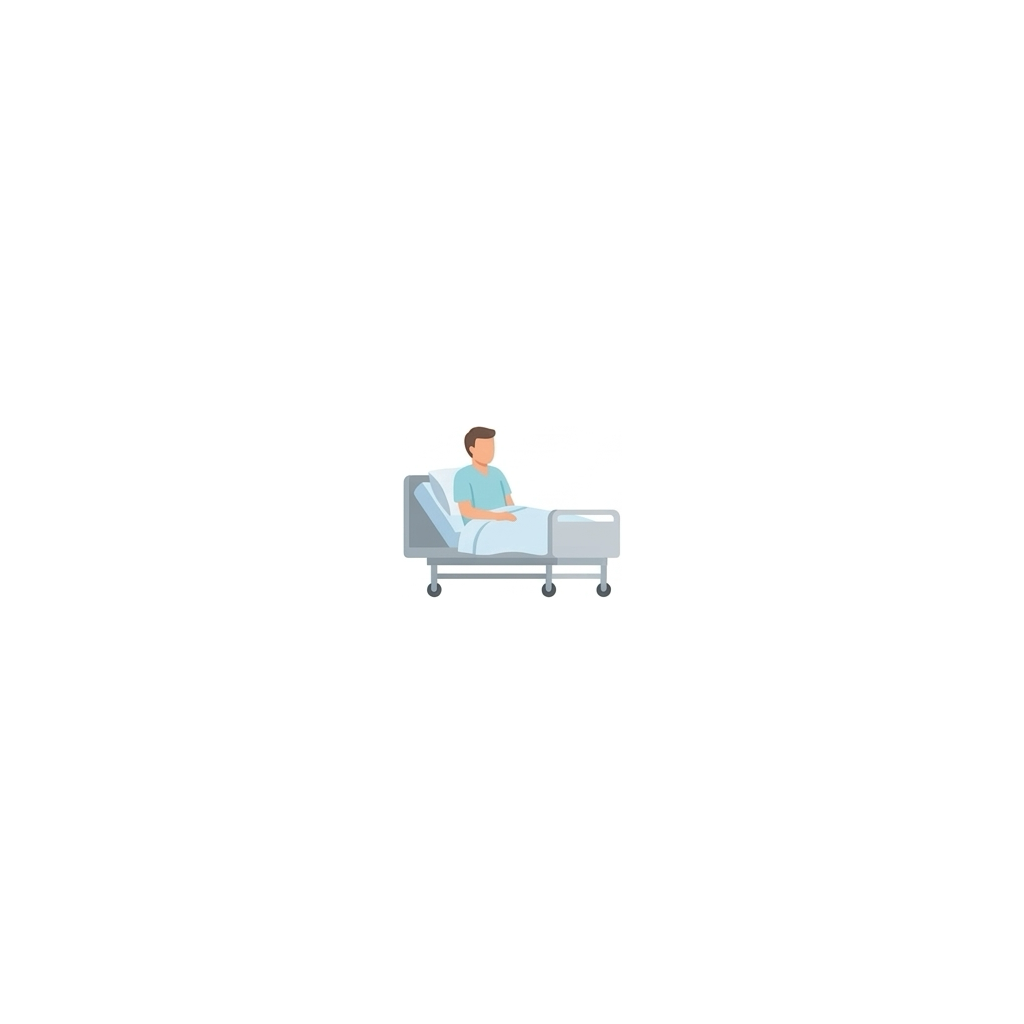
/ˈpeɪʃnt/A person receiving medical care, or the ability to wait or endure something difficult without getting upset.
Tiếng Việt
bệnh nhân / kiên nhẫn
PÊI-shờnt
Nhấn mạnh vào âm đầu 'PÊI', âm 'sh' phát âm như chữ 's' nặng trong tiếng Việt, kết thúc bằng âm 'nt' nhẹ.
Người đang được điều trị y tế, hoặc khả năng chờ đợi, chịu đựng khó khăn mà không tức giận.
Meanings
6 meanings
1A person who is receiving medical treatment from a doctor, dentist, or in a hospital.nounhealth
Bệnh nhân; một người đang nhận sự điều trị y tế từ bác sĩ, nha sĩ hoặc trong bệnh viện.
“The hospital is treating over 200 patients for the virus.”
“Bệnh viện đang điều trị cho hơn 200 bệnh nhân bị nhiễm vi-rút.”
- Many patients present with conditions that cannot be easily diagnosed.
- The patient was admitted to hospital yesterday.
- He's one of Dr. Shaw's patients.
Đây là danh từ đếm được. Trong tiếng Việt thường đi kèm với các động từ như 'khám', 'chữa', 'điều trị'.
2The noun or noun phrase that is semantically on the receiving end of a verb's action.nounacademic
Bệnh thể / Đối thể; danh từ hoặc cụm danh từ về mặt ngữ nghĩa chịu tác động của hành động trong động từ.
“In the sentence 'The boy kicked the ball', 'the ball' is the patient.”
“Trong câu 'Cậu bé đá quả bóng', 'quả bóng' là đối thể (patient).”
- The patient is the person or thing that is affected by the action of the verb.
- Linguists distinguish between the agent and the patient of an action.
Đây là thuật ngữ chuyên ngành ngôn ngữ học, trái ngược với 'agent' (tác thể).
3A person or thing that is passively affected by an action; a passive recipient.nounacademic
Đối tượng thụ động; người hoặc vật chịu ảnh hưởng một cách thụ động bởi một hành động.
“In this philosophical model, the individual is a patient of external forces.”
“Trong mô hình triết học này, cá nhân là đối tượng chịu tác động của các lực lượng bên ngoài.”
Thường dùng trong văn phong trang trọng hoặc triết học để chỉ sự thiếu tính chủ động.
4Able to wait for a long time or accept annoying behavior or difficulties without becoming angry.adjectivedaily life
Kiên nhẫn, nhẫn nại; có khả năng chờ đợi lâu hoặc chấp nhận những hành vi gây khó chịu mà không tức giận.
“You'll just have to be patient and wait until I'm finished.”
“Bạn sẽ chỉ cần kiên nhẫn và đợi cho đến khi tôi làm xong.”
- Be patient with her—she's very young.
- She listened with a patient expression as I tried to explain.
- Dinner will be ready in half an hour - just be patient!
Đi kèm với giới từ 'with' khi nói về việc kiên nhẫn với ai đó (e.g., be patient with children).
5Showing calm endurance and perseverance; continuing to do something despite difficulties.adjectivework career
Kiên trì, bền bỉ; thể hiện sự chịu đựng bình tĩnh và tiếp tục làm việc gì đó bất chấp khó khăn.
“Through patient research, they finally found the cure.”
“Thông qua quá trình nghiên cứu kiên trì, cuối cùng họ đã tìm ra cách chữa trị.”
- A patient pursuit of the truth eventually yielded results.
- Success requires patient effort over many years.
Trong ngữ cảnh công việc, từ này nhấn mạnh vào sự bền bỉ và tỉ mỉ.
6Physically able to suffer or bear something.adjectiveliterary
Có khả năng chịu đựng (về mặt thể chất) gian khổ hoặc đau đớn.
“He was a man patient of hardships.”
“Ông ấy là một người đàn ông chịu đựng được những gian khổ.”
Đây là cách dùng cũ, hiện nay ít gặp trong giao tiếp hàng ngày.
Word bank
Common phrases
- cancer patient
- heart patient
- outpatient
- inpatient
- admit a patient
- treat a patient
- examine a patient
- remain patient
- be patient with
- extremely patient
- patiently wait
- patient research
Grammar & forms
Grammar
- countable
Inflections
- plural
- patients
Word family
- patient, impatientadjective
- patiently, impatientlyadverb
- patience, inpatient, outpatientnoun
Usage patterns
- a patient in hospital
- treat a patient
- admit/discharge a patient
- patient with somebody
- patient about something
- be patient and wait
Avoid mistakes
Common mistakes
I am patience.
I am patient.
Use the adjective 'patient' to describe a person, not the abstract noun 'patience'.
She is patient to her kids.
She is patient with her kids.
The standard preposition used with 'patient' (adjective) is 'with'.
Many patient are waiting.
Many patients are waiting.
The noun 'patient' is countable and needs an 's' for plural.
He is a very patience man.
He is a very patient man.
Adjectives modify nouns; 'patience' is a noun.
You need to have patient.
You need to have patience.
After the verb 'have', use the noun 'patience'.
Don't confuse with
Academic collocations
Words that pair with "patient" in formal and academic writing
- verb
- admittreatexaminedischarge
- adjective
- chronicterminaloutpatientinpatient
- noun
- caresafetyhistoryoutcome
- preposition
- withfor
In context
Real-world examples
- daily life
The doctor is examining a new patient in the emergency room.
Bác sĩ đang khám cho một bệnh nhân mới trong phòng cấp cứu.
Sử dụng từ 'bệnh nhân' phổ biến trong bối cảnh y tế tại Việt Nam.
- business
In business negotiations, being patient can help you secure a better deal.
Trong đàm phán kinh doanh, kiên nhẫn có thể giúp bạn đạt được một thỏa thuận tốt hơn.
Sự kiên nhẫn (patience) là đức tính được coi trọng trong văn hóa kinh doanh Á Đông.
- academic
The researcher was patient enough to observe the experiment for months.
Nhà nghiên cứu đã đủ kiên nhẫn để quan sát thí nghiệm trong nhiều tháng.
Nhấn mạnh tính bền bỉ trong học thuật và nghiên cứu.
- daily life
Vietnamese teachers are often very patient with students during the first days of school.
Các giáo viên Việt Nam thường rất kiên nhẫn với học sinh trong những ngày đầu đến trường.
Phản ánh mối quan hệ thầy trò và sự bao dung trong giáo dục Việt Nam.
Notes for Vietnamese speakers
- Trong tiếng Việt, 'patient' có hai nghĩa hoàn toàn khác nhau tùy vào loại từ: danh từ là 'bệnh nhân' (người bệnh) và tính từ là 'kiên nhẫn' (nhẫn nại).
- Văn hóa Việt Nam rất coi trọng chữ 'Nhẫn' (patience), coi đó là một đức tính cao quý trong giao tiếp và tu dưỡng đạo đức.
- Khi dùng làm danh từ y tế, cần phân biệt 'ngoại trú' (outpatient) và 'nội trú' (inpatient) vì quy trình bệnh viện tại Việt Nam phân chia rất rõ hai đối tượng này.
Etymology
Origin: Middle English (originally meaning 'suffering without complaint'). Source: Old French 'paciant', from Latin 'patient-', from the verb 'pati' meaning 'to suffer'. (Source: Oxford Dictionary of English Etymology).
More in Vietnamese
- TFlat Dictionary (Soha)
Cung cấp nhiều ví dụ và các từ liên quan trong hệ thống Soha Dict.
- Cambridge English–Vietnamese Dictionary
Nghĩa tiếng Việt kèm ví dụ từ Cambridge Dictionary.
- VDict (Anh–Việt)
Từ điển Anh–Việt với ví dụ song ngữ.