neighbouring
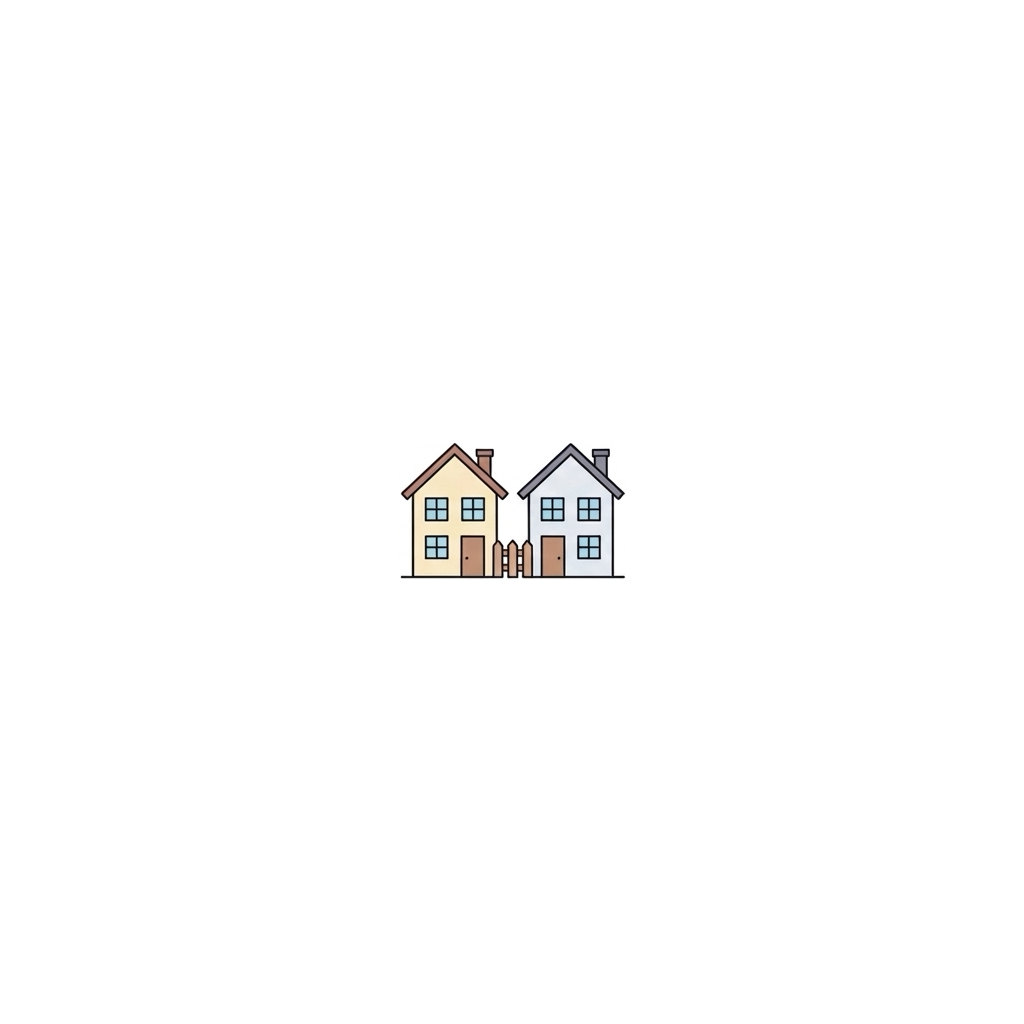
/ˈneɪbərɪŋ/Located or living near or next to a place or person.
Tiếng Việt
lân cận
NÊI-bờ-rinh
Nhấn mạnh vào âm tiết đầu NÊI, âm 'bờ' đọc nhẹ, âm cuối 'rinh' đọc rõ phụ âm r.
Nằm ở gần hoặc ngay sát cạnh một địa điểm hoặc một người nào đó.
Meanings
2 meanings
1Located or living near or next to a place or person.adjectivedaily life
Nằm ở vị trí gần hoặc ngay cạnh một địa điểm hoặc một người nào đó.
“The fire spread quickly to the neighbouring house.”
“Đám cháy đã lan nhanh sang ngôi nhà bên cạnh.”
- She married a man from the neighbouring village.
- The neighbouring countries are trying to reach a peace agreement.
- Many people in neighbouring districts heard the explosion.
- We visited several of the neighbouring islands during our holiday.
Trong tiếng Việt, 'neighbouring' thường đứng trước danh từ. Khi nói về quốc gia, hãy dùng 'láng giềng'; khi nói về khu vực địa lý chung, hãy dùng 'lân cận'.
2The present participle of 'neighbour', meaning to be located next to or very near something.verbgeneral
Dạng hiện tại phân từ của động từ 'neighbour', có nghĩa là nằm kế bên hoặc rất gần cái gì đó.
“The park is neighbouring the new library building.”
“Công viên nằm sát cạnh tòa nhà thư viện mới.”
- Our garden is neighbouring a small woodland area.
- The two estates have been neighbouring each other for centuries.
Lưu ý không dùng giới từ 'to' sau 'neighbouring' khi nó đóng vai trò là động từ/phân từ (Ví dụ: neighbouring the school, KHÔNG PHẢI neighbouring to the school).
Word bank
Near synonyms
Antonyms
Common phrases
- country
- state
- town
- village
- house
- farm
- property
- district
- area
- building
- land
Grammar & forms
Grammar
- singular
- plural
- transitive
Inflections
- present_participle
- neighbouring
- third_person_singular
- neighbours
- past_simple
- neighboured
- past_participle
- neighboured
Word family
- neighbouring, neighbourlyadjective
- neighbour, neighbourhoodnoun
- neighbourverb
Usage patterns
- neighbouring something
- a neighbouring + noun
Avoid mistakes
Common mistakes
The house is neighbouring.
It is a neighbouring house.
'Neighbouring' is almost always used as an attributive adjective (before the noun).
A neighboring to the school building.
A building neighbouring the school.
Do not use 'to' after 'neighbouring' when used as a participle/verb form.
The neighbouring of the town.
The surrounding area of the town.
'Neighbouring' is not used as a gerund noun in this way.
They live in a neighbourly house.
They live in a neighbouring house.
'Neighbourly' describes a kind/friendly person; 'neighbouring' describes location.
The neighborring countries.
The neighbouring countries.
Common spelling error: double 'r' is incorrect.
Don't confuse with
- neighboring
American English spelling of the same word.
“He lives in a neighboring town.”
In the UK, use 'neighbouring'; in the US, use 'neighboring'.
- next door
The building or person living immediately beside you.
“My next-door neighbour is very loud.”
'Next door' is more specific than 'neighbouring', which can mean nearby but not necessarily adjacent.
Academic collocations
Words that pair with "neighbouring" in formal and academic writing
- adjective
- immediatevariousadjacent
- noun
- countriesstatescommunitiesregions
- preposition
- towith
In context
Real-world examples
- daily life
The explosion was so loud that it could be heard in neighbouring provinces.
Vụ nổ lớn đến mức có thể nghe thấy ở các tỉnh lân cận.
Việt Nam có hệ thống phân chia hành chính theo tỉnh, nên việc dùng 'provinces' (tỉnh) rất phổ biến khi nói về vùng lân cận.
- business
We are seeking to expand our trade relations with neighbouring ASEAN countries.
Chúng tôi đang tìm cách mở rộng quan hệ thương mại với các nước láng giềng trong khối ASEAN.
Trong kinh tế và ngoại giao, Việt Nam luôn ưu tiên mối quan hệ với các quốc gia lân cận trong khu vực Đông Nam Á.
- academic
The researcher compared the dialect of this village with that of neighbouring communities.
Nhà nghiên cứu đã so sánh phương ngữ của ngôi làng này với phương ngữ của các cộng đồng lân cận.
Việt Nam có sự đa dạng về phương ngữ giữa các làng xã/vùng miền nằm sát nhau.
- daily life
The fire spread quickly from the warehouse to neighbouring buildings.
Ngọn lửa lan nhanh từ kho hàng sang các tòa nhà lân cận.
Ở các đô thị lớn như Hà Nội hay TP.HCM, nhà cửa thường san sát nhau nên khái niệm 'neighbouring' rất quan trọng trong phòng cháy chữa cháy.
- business
Many workers from neighbouring districts commute to the industrial park every day.
Nhiều công nhân từ các huyện lân cận đi làm tại khu công nghiệp mỗi ngày.
Phản ánh thực tế di chuyển lao động giữa các đơn vị hành chính cấp huyện/quận tại Việt Nam.
Notes for Vietnamese speakers
- Trong văn hóa Việt Nam, 'hàng xóm láng giềng' (neighbouring/neighbours) có vai trò rất quan trọng, thể hiện qua câu tục ngữ 'Bán anh em xa, mua láng giềng gần'.
- 'Neighbouring' thường được dịch là 'lân cận' khi nói về địa lý, hành chính, và 'láng giềng' khi nói về quốc gia hoặc tình cảm thân thiết giữa các hộ gia đình.
- Người Việt thường dùng các danh từ chỉ đơn vị hành chính như 'tỉnh lân cận', 'quận lân cận', 'xã lân cận' thay vì chỉ nói chung chung là 'vùng lân cận'.
Etymology
Late Middle English: from the verb 'neighbour' + '-ing'. Derived from Old English 'nēahgebūr', from 'nēah' (near) + 'gebūr' (dweller). Compare with Old High German 'nāhgibūr'. (Source: Oxford Dictionary of English Etymology)
Exam levels
CEFR
C1
TOEIC
805-850
More in Vietnamese
- TFlat Dictionary (Soha)
Cung cấp các ví dụ thực tế và các từ đồng nghĩa trong tiếng Việt.
- Cambridge English–Vietnamese Dictionary
Nghĩa tiếng Việt kèm ví dụ từ Cambridge Dictionary.
- VDict (Anh–Việt)
Từ điển Anh–Việt với ví dụ song ngữ.