linger
/ˈlɪŋɡər/To stay in a place longer than expected because you are unwilling to leave, or to continue to exist for a long time.
Tiếng Việt
nán lại
LIN-gờ
Nhấn mạnh vào âm tiết đầu 'LIN', âm 'gờ' đọc nhẹ và kéo dài hơn một chút ở cuối.
Ở lại một nơi lâu hơn dự kiến vì không muốn rời đi, hoặc tiếp tục tồn tại trong một thời gian dài.
Meanings
4 meanings
1To stay somewhere for longer than necessary because you do not want to leave or because you are enjoying yourself.social
Nán lại, chần chừ ở lại một nơi nào đó lâu hơn mức cần thiết vì không muốn rời đi hoặc vì đang tận hưởng thời gian đó.
“She lingered for a few minutes after the meeting to talk to Nick.”
“Cô ấy đã nán lại vài phút sau cuộc họp để nói chuyện với Nick.”
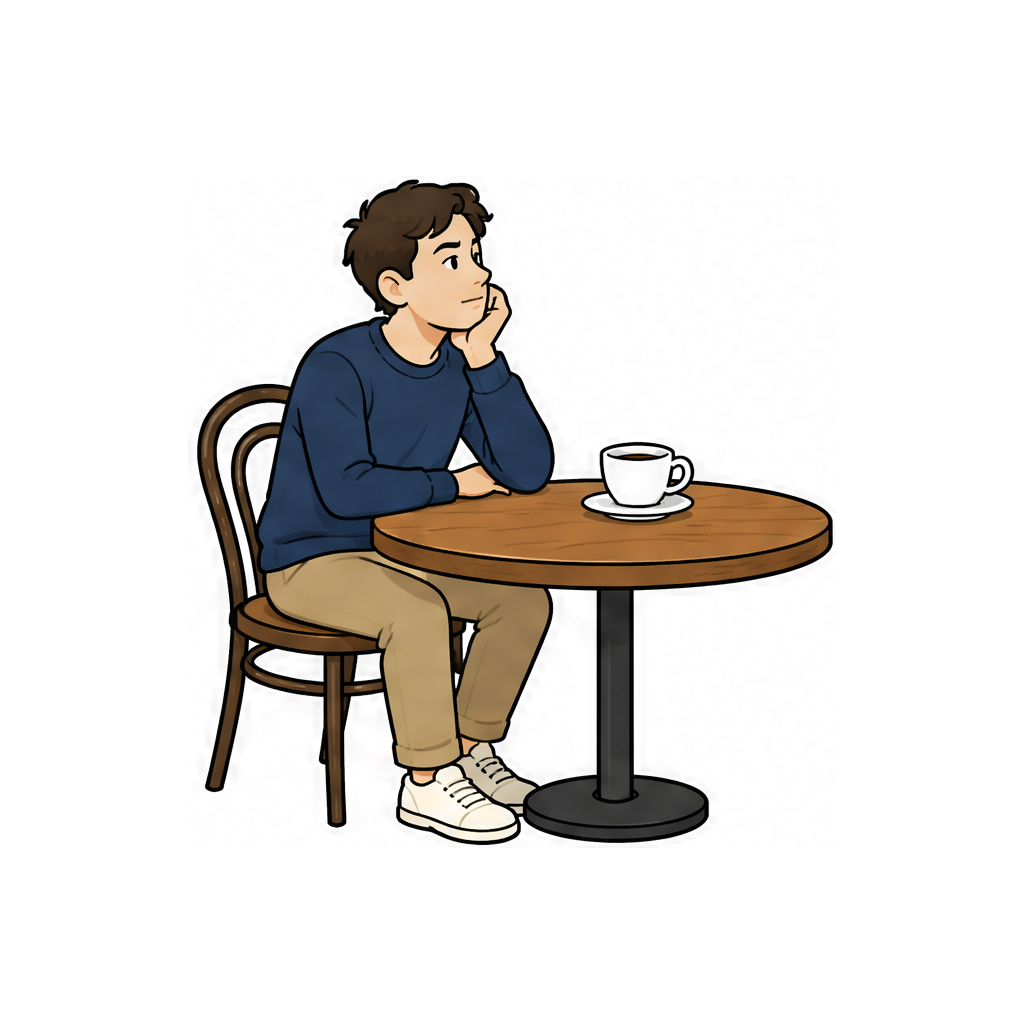
- The customers lingered over their coffee, enjoying the warm afternoon.
- I lingered at the gates, watching the train disappear into the distance.
- We went to small cafes where we could linger over cappuccino.
Trong ngữ cảnh xã hội, 'linger' mang sắc thái tích cực hoặc trung lập, diễn tả việc muốn kéo dài thời gian vui vẻ. Thường đi với giới từ 'for' (khoảng thời gian) hoặc 'at/in' (địa điểm).
2To continue to exist or be noticed for longer than is usual or expected.general
Tiếp tục tồn tại, đọng lại hoặc vẫn còn được nhận thấy lâu hơn bình thường hoặc mong đợi.
“The faint smell of her perfume lingered in the room for hours.”
“Mùi nước hoa thoang thoảng của cô ấy vẫn còn vương vấn trong phòng suốt nhiều giờ.”
- Doubts still lingered in the back of his mind.
- The feelings of hurt and resentment lingered on for years.
- The memory of that day will linger forever in the minds of many people.
Thường dùng cho mùi hương (scents), âm thanh (sounds) hoặc cảm xúc (feelings/doubts). Người học Việt Nam nên dùng từ 'vương vấn' hoặc 'đọng lại' để dịch sát nghĩa này.
3To continue to look at someone or something, or to think about something, for longer than usual.emotions
Nhìn chằm chằm hoặc suy nghĩ về ai đó/vật gì đó lâu hơn bình thường.
“His eyes lingered on the diamond ring on her finger.”
“Ánh mắt anh ấy cứ dán chặt vào chiếc nhẫn kim cương trên ngón tay cô ấy.”
- She let her gaze linger on the old photograph.
- The camera lingered on her face to capture her reaction.
Cấu trúc thường dùng là 'eyes/gaze linger on something'. Nó thể hiện sự chú ý đặc biệt hoặc tình cảm dành cho đối tượng đó.
4To stay alive but become gradually weaker, especially before dying.health
Sống mòn, kéo dài sự sống trong tình trạng yếu dần (thường là trước khi qua đời).
“The old man lingered on for several weeks after the stroke.”
“Ông cụ đã sống cầm cự thêm vài tuần sau cơn đột quỵ.”
- He lingered for several months in a coma before passing away.
- The patient is just lingering, with no hope of a full recovery.
Đây là cách dùng trang trọng và mang sắc thái buồn thương. Trong tiếng Việt có thể dịch là 'sống cầm cự' hoặc 'sống mòn'.
Word bank
Grammar & forms
Grammar
- intransitive
Inflections
- third_person_singular
- lingers
- past_simple
- lingered
- past_participle
- lingered
- present_participle
- lingering
Word family
- lingeringadjective
- lingeringlyadverb
- lingerernoun
Usage patterns
- linger (in/at/on something)
- linger over something
- linger on
Avoid mistakes
Common mistakes
She lingered the room.
She lingered in the room.
'Linger' is intransitive and requires a preposition to show location.
The smell lingered off after an hour.
The smell lingered for an hour.
'Lingered off' is not a standard phrasal verb; use 'lingered for' or 'lingered on'.
We lingered the dinner for three hours.
We lingered over dinner for three hours.
To spend a long time doing something like eating, use the pattern 'linger over'.
I saw him lingaring by the door.
I saw him lingering by the door.
Common spelling error; the word is spelled with an 'e'.
He lingered to leave the party.
He lingered before leaving the party.
'Linger' implies the act of staying; 'to leave' contradicts the meaning. Use 'before leaving' to show the sequence.
Don't confuse with
- loiter
to stand or wait around a place with no obvious reason, often implies suspicious intent
“No loitering is allowed outside the shop.”
Use 'linger' for staying because you enjoy it; use 'loiter' if the staying seems suspicious or is illegal.
Academic collocations
Words that pair with "linger" in formal and academic writing
- verb
- continuepersistremain
- adjective
- lingeringpersistentunresolved
- noun
- doubtmemoryeffect
- preposition
- onoverafter
In context
Real-world examples
- daily life
In Vietnamese culture, guests often linger at the door after a party to say their final goodbyes.
Trong văn hóa Việt Nam, khách thường nán lại ở cửa sau bữa tiệc để chào tạm biệt lần cuối.
Người Việt có thói quen chào hỏi nhiều lần trước khi thực sự ra về, thể hiện sự hiếu khách và tình cảm.
- daily life
The aroma of Phở lingers in the streets of Hanoi every morning.
Hương thơm của phở vương vấn trên những con phố Hà Nội mỗi sáng.
Mùi hương thực phẩm là một phần linh hồn của phố phường Việt Nam, rất phù hợp với từ 'linger'.
- business
Even after the economic crisis, some uncertainties linger in the local market.
Ngay cả sau cuộc khủng hoảng kinh tế, một số bất ổn vẫn còn kéo dài trên thị trường nội địa.
Dùng để mô tả các vấn đề kinh tế chưa được giải quyết triệt để tại Việt Nam.
- academic
Historical influences from the colonial era still linger in the architecture of Ho Chi Minh City.
Những ảnh hưởng lịch sử từ thời thuộc địa vẫn còn in đậm trong kiến trúc của Thành phố Hồ Chí Minh.
Phản ánh sự kết hợp giữa kiến trúc Pháp và Việt Nam vẫn còn tồn tại đến ngày nay.
- social
The melody of the folk song lingered in the hearts of the audience long after the performance ended.
Giai điệu của bài dân ca vẫn còn vang vọng trong tâm trí khán giả rất lâu sau khi buổi biểu diễn kết thúc.
Thể hiện sự trân trọng đối với nghệ thuật truyền thống như cải lương hay dân ca.
Notes for Vietnamese speakers
- Từ 'linger' tương ứng với khái niệm 'lưu luyến' trong tiếng Việt khi nói về tình cảm hoặc quan hệ xã hội.
- Trong bối cảnh ẩm thực Việt, 'linger' thường được dùng để mô tả 'hậu vị' (aftertaste) của trà hoặc cà phê đặc sản.
- Văn hóa 'cà phê lê la' của giới trẻ Việt Nam chính là một hình thái cụ thể của việc 'lingering' tại quán xá.
Etymology
Origin: Late Middle English (in the sense 'dwell, stay in a place'). A frequentative of the verb 'leng' (to stay or tarry), from Old English 'langian', of Germanic origin; related to 'long'. Source: Oxford Dictionary of English Etymology.
Exam levels
IELTS
7.0
CEFR
C1
TOEIC
805-850
More in Vietnamese
- TFlat Dictionary (Soha)
Tra cứu nghĩa, phiên âm và ví dụ song ngữ Anh-Việt.
- Cambridge English–Vietnamese Dictionary
Nghĩa tiếng Việt kèm ví dụ từ Cambridge Dictionary.
- VDict (Anh–Việt)
Từ điển Anh–Việt với ví dụ song ngữ.