bored
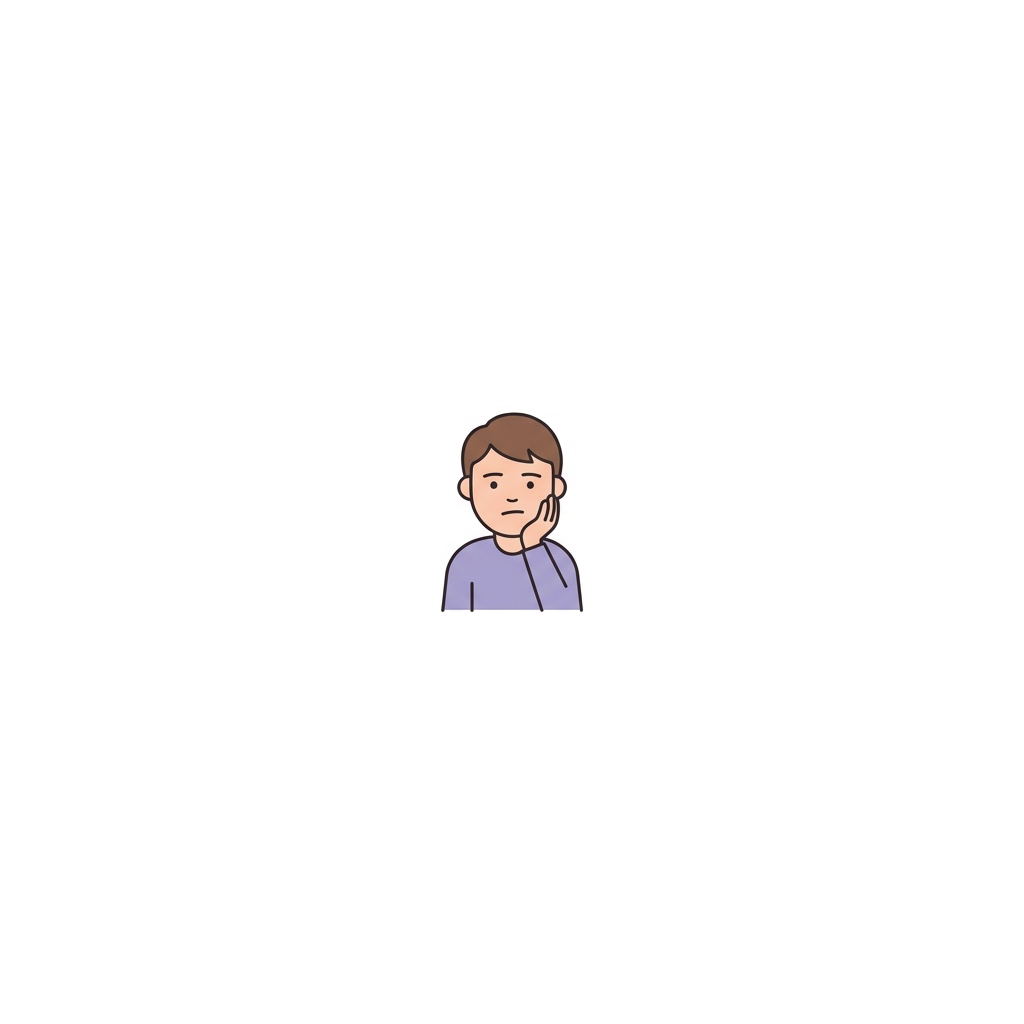
/bɔːrd/Feeling tired and impatient because you have lost interest in something or have nothing to do.
Tiếng Việt
chán
bo (kéo dài âm o) - dờ
Phát âm giống âm 'bo' trong tiếng Việt nhưng kéo dài âm 'o', kết thúc bằng âm 'd' nhẹ ở cuối.
Cảm thấy mệt mỏi và mất kiên nhẫn vì mất đi sự hứng thú với điều gì đó hoặc không có việc gì để làm.
Meanings
4 meanings
1Feeling tired and impatient because you have lost interest in somebody/something or because you have nothing to do.adjectiveemotions
Cảm thấy mệt mỏi và không kiên nhẫn vì bạn không còn hứng thú với ai đó/điều gì đó hoặc vì bạn không có việc gì để làm.
“Some children get bored very quickly.”
“Một số trẻ em cảm thấy chán rất nhanh.”
- There was a bored expression on her face.
- She was bored with their conversation.
- He seemed faintly bored by the whole process.
- She enchants an otherwise bored audience.
Người Việt thường nhầm lẫn giữa 'bored' và 'boring'. Hãy nhớ 'bored' dùng để diễn tả cảm xúc của con người (bị tác động), trong khi 'boring' dùng để mô tả tính chất của sự vật/sự việc gây ra sự chán chường.
2Extremely bored, often used in specific idioms to emphasize the depth of the feeling.adjectivecasual
Vô cùng chán nản, thường được dùng trong các thành ngữ cụ thể để nhấn mạnh mức độ của cảm xúc.
“I remember being bored stiff during my entire time at school.”
“Tôi nhớ mình đã chán ngấy trong suốt thời gian đi học.”
- You must be bored stiff stuck at home all day.
- Personally, I was bored to death.
- The students were bored out of their minds.
Các cụm từ như 'bored stiff' hay 'bored to death' tương đương với cách nói 'chán đến tận cổ' hoặc 'chán chết đi được' trong tiếng Việt.
3Perforated by a hole or holes; having a hole made by drilling or hollowed out.adjectivetechnical
Bị dùi lỗ, khoan lỗ; có lỗ được tạo ra bằng cách khoan hoặc khoét rỗng.
“The cylinder is bored to a diameter of 50mm.”
“Xi lanh được khoan với đường kính 50mm.”
- A precision-bored engine block.
- The wood was bored through by insects.
Đây là nghĩa kỹ thuật, ít dùng trong giao tiếp hàng ngày. 'Bored' ở đây là dạng bị động của động từ 'bore' (khoan).
4Past tense and past participle of the verb 'bore'.verbgeneral
Thì quá khứ và quá khứ phân từ của động từ 'bore' (làm chán hoặc khoan lỗ).
“The drill bored a hole through the solid rock.”
“Mũi khoan đã khoan một lỗ xuyên qua khối đá cứng.”
- She bored everyone at the party with her stories.
- He bored a small hole in the lid to let air in.
Cần phân biệt ngữ cảnh: nếu chủ ngữ là người gây ra sự chán nản cho người khác thì dùng nghĩa 'làm chán', nếu liên quan đến công cụ thì là 'khoan lỗ'.
Word bank
Common phrases
- bored stiff
- bored silly
- bored rigid
- thoroughly bored
- visibly bored
- get bored
- feel bored
Grammar & forms
Grammar
- linking
- transitive
- intransitive
Inflections
- third_person_singular
- bores
- past_simple
- bored
- past_participle
- bored
- present_participle
- boring
Word family
- boring, boredadjective
- boringlyadverb
- boredom, borenoun
- boreverb
Usage patterns
- bored with somebody/something
- bored by somebody/something
- bored at the prospect of something
- get bored
- look bored
- bore a hole
- bore something into something
Avoid mistakes
Common mistakes
I am boring with this book.
I am bored with this book.
Use 'bored' (past participle adjective) to describe a person's feelings.
He was bored from the lecture.
He was bored by the lecture.
Standard prepositions for 'bored' are 'with' or 'by'.
She gets bored very easy.
She gets bored very easily.
An adverb 'easily' should modify the verb phrase.
I'm bored of my job.
I'm bored with my job.
While 'bored of' is common in speech, 'bored with' is preferred in formal writing.
The children were bored to the movies.
The children were bored by the movies.
'Bored to' is only used in idioms like 'bored to death'.
Don't confuse with
- boring
describing something that causes you to feel bored
“The film was so boring that I fell asleep.”
Use 'bored' for how you feel; use 'boring' for the thing that makes you feel that way.
- board
a long, thin, flat piece of wood
“We used a wooden board to fix the fence.”
These are homophones (sound the same) but have different spellings and meanings.
Academic collocations
Words that pair with "bored" in formal and academic writing
- verb
- becomegrowremain
- adjective
- utterlyincreasinglyrelatively
- noun
- audiencestudentobserver
- position
- withbyof
In context
Real-world examples
- academic
Students often get bored with theoretical subjects that have no practical application.
Sinh viên thường cảm thấy chán những môn lý thuyết không có tính ứng dụng thực tế.
Phản ánh thực trạng giáo dục tại Việt Nam khi sinh viên mong muốn được học đi đôi với hành.
- daily life
I'm bored with eating the same dishes every day; let's try some street food.
Tôi chán ăn mấy món này mỗi ngày rồi; đi ăn đồ ăn vỉa hè đi.
Văn hóa ẩm thực đường phố (street food) là một phần không thể thiếu trong đời sống hàng ngày của người Việt khi muốn đổi vị.
- business
The employees were bored by the long and repetitive meetings.
Các nhân viên cảm thấy chán vì những cuộc họp kéo dài và lặp đi lặp lại.
Môi trường công sở tại Việt Nam đôi khi có những cuộc họp hành chính rườm rà gây mệt mỏi cho nhân viên.
Notes for Vietnamese speakers
- Trong văn hóa Việt Nam, việc thừa nhận mình 'chán' (bored) trong công việc đôi khi được xem là thiếu tích cực, nên người ta thường dùng những cách nói giảm nói tránh hoặc chỉ than phiền với bạn bè thân thiết.
- Từ 'chán' trong tiếng Việt có phạm vi sử dụng rộng hơn, có thể bao gồm cả sự thất vọng (disappointed) hoặc nản chí (discouraged), trong khi 'bored' chủ yếu tập trung vào sự thiếu hứng thú.
Etymology
Adjective usage emerged in the late 18th century as the past participle of the verb 'bore' (to weary by being dull). The verb 'bore' (to pierce) is from Old English 'borian', of Germanic origin, related to Dutch 'boren' and German 'bohren'. Cited from Oxford Dictionary of English Etymology.
Exam levels
IELTS
4.0
CEFR
A1
TOEIC
0-250
More in Vietnamese
- TFlat Dictionary (Soha)
Từ điển phổ biến với người học tiếng Anh tại Việt Nam, có phần dịch thuật và từ đồng nghĩa.
- Cambridge English–Vietnamese Dictionary
Nghĩa tiếng Việt kèm ví dụ từ Cambridge Dictionary.
- VDict (Anh–Việt)
Từ điển Anh–Việt với ví dụ song ngữ.