boring
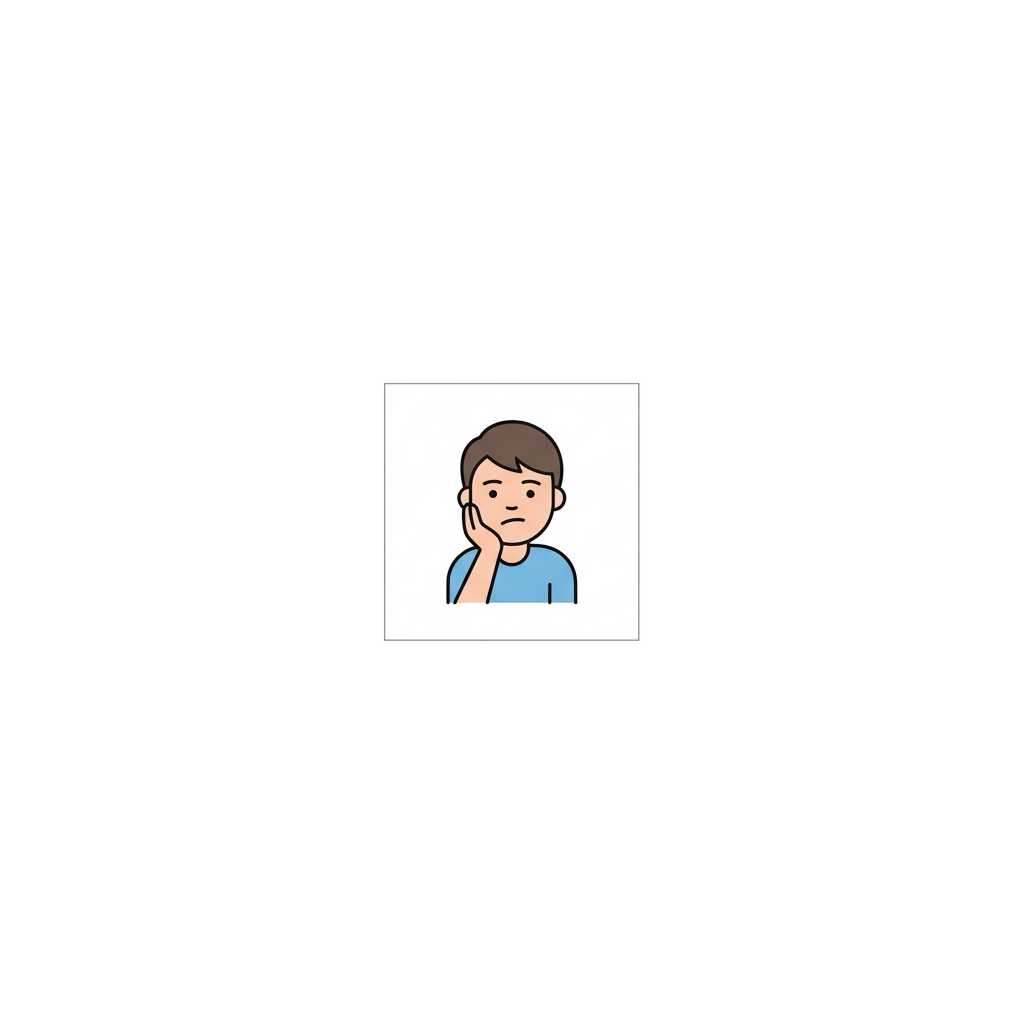
/ˈbɔːrɪŋ/Not interesting or exciting; also refers to the act or process of making a hole in something.
Tiếng Việt
nhàm chán
BO-ring
Nhấn mạnh âm đầu 'BO' như vần 'bo' trong tiếng Việt nhưng kéo dài hơn, âm 'ring' đọc nhẹ như 'ring' trong 'chuông reo'.
Không thú vị hoặc không hấp dẫn; cũng chỉ hành động hoặc quá trình khoan lỗ.
Meanings
6 meanings
1Not interesting; making you feel tired and impatient.adjectivesocial
Không thú vị; làm cho bạn cảm thấy mệt mỏi và mất kiên nhẫn.
“He's such a boring man!”
“Anh ta đúng là một người đàn ông nhạt nhẽo!”
- She found her job boring.
- The car ride was really boring.
- That film was dead boring.
- Try not to make your diet boring.
Người học tiếng Việt thường nhầm lẫn giữa 'boring' (tính chất của sự vật/người) và 'bored' (cảm xúc của bản thân). Hãy dùng 'boring' khi muốn than phiền về một bộ phim hoặc một bài giảng.
2Used, designed to be used, or able to drill holes.adjectivetechnology
Được dùng, được thiết kế để dùng, hoặc có khả năng khoan lỗ.
“The factory installed new boring equipment for the engine blocks.”
“Nhà máy đã lắp đặt thiết bị khoan mới cho các khối động cơ.”
- They used a specialized boring tool for the project.
- A boring machine was used to create the tunnel.
Trong ngữ cảnh kỹ thuật, 'boring' mang nghĩa chuyên môn là 'khoan/nong lỗ', khác hoàn toàn với nghĩa 'nhàm chán' trong đời sống hàng ngày.
3The act or process of making a hole in something, especially using a drill.nountechnology
Hành động hoặc quá trình tạo lỗ trên một vật gì đó, đặc biệt là sử dụng máy khoan.
“The boring of the tunnel took several years to complete.”
“Việc khoan đường hầm đã mất vài năm để hoàn thành.”
- Precision boring is required for aerospace components.
- The company specializes in deep-hole boring.
Đây là danh từ chuyên ngành trong xây dựng và cơ khí, thường dùng để chỉ việc đào hầm hoặc khoan cọc nhồi.
4A hole that has been made by drilling.nountechnology
Một cái lỗ đã được tạo ra bằng cách khoan.
“The engineer inspected the boring to ensure it was the correct diameter.”
“Kỹ sư đã kiểm tra lỗ khoan để đảm bảo nó có đường kính chính xác.”
- The sample was taken from a deep boring in the earth's crust.
Trong tiếng Việt kỹ thuật, từ này có thể dịch là 'lỗ khoan' hoặc 'giếng khoan' tùy ngữ cảnh cụ thể.
5The small pieces of material (chips or fragments) produced when a hole is drilled.nountechnology
Những mảnh vật liệu nhỏ (phoi hoặc mảnh vụn) được tạo ra khi khoan một cái lỗ.
“Metal borings were scattered across the workshop floor.”
“Các mạt kim loại vương vãi khắp sàn xưởng.”
- The borings were collected for recycling.
Trong xưởng cơ khí, 'borings' thường được gọi là 'phoi' hoặc 'mạt'.
6Present participle and gerund of the verb 'bore' (to make a hole or to make someone feel weary).verbdaily life
Dạng hiện tại phân từ và danh động từ của động từ 'bore' (khoan lỗ hoặc làm ai đó thấy chán).
“He is currently boring a hole in the wall for the new shelves.”
“Anh ấy hiện đang khoan một cái lỗ trên tường để lắp kệ mới.”
- Stop boring everyone with your stories about work!
- The drill was boring through the solid rock.
Khi đóng vai trò là động từ đang diễn ra, cần phân biệt rõ dựa vào vật bị tác động (khoan vật thể hay làm chán con người).
Word bank
Common phrases
- extremely boring
- dead boring
- incredibly boring
- find something boring
- sound boring
- look boring
- tunnel boring
- deep-hole boring
- precision boring
- boring machine
- boring a hole
- boring through
- boring deep
Grammar & forms
Grammar
- linking
- uncountable
- countable
- transitive
- intransitive
Inflections
- comparative
- more boring
- superlative
- most boring
- plural
- borings
- third_person_singular
- bores
- past_simple
- bored
- past_participle
- bored
- present_participle
- boring
Word family
- boring, boredadjective
- boringlyadverb
- boredom, bore, boringnoun
- boreverb
Usage patterns
- it is boring to do something
- find something/somebody boring
- the boring of something
- bore into something
- bore something through something
Avoid mistakes
Common mistakes
I am very boring.
I am very bored.
If you say 'I am boring,' it means you are not an interesting person. Use 'bored' to describe your feelings.
The movie was bored.
The movie was boring.
Objects and situations are 'boring' (they cause the feeling). People feel 'bored'.
He is boring of his job.
He is bored with/of his job.
To describe the state of having no interest, use the past participle 'bored'.
The boring machine is more bored.
The boring machine is more efficient.
Do not confuse the technical noun 'boring' with the adjective/emotion.
This is a bored book.
This is a boring book.
Adjectives describing things that cause boredom must end in -ing.
Don't confuse with
- bored
How you feel when something is not interesting.
“I am bored by this lesson.”
Use '-ed' for feelings and '-ing' for the thing that causes the feeling.
Academic collocations
Words that pair with "boring" in formal and academic writing
- verb
- becomeproveremain
- adjective
- inherentlypotentiallyrather
- noun
- processtechniqueoperation
- preposition
- bywith
In context
Real-world examples
- academic
The lecture was so boring that half the students fell asleep.
Bài giảng nhàm chán đến mức một nửa số sinh viên đã ngủ gật.
Bạn sẽ thấy tình huống này khá phổ biến trong trường học khi phương pháp giảng dạy chưa đủ thu hút.
- business
I find small talk at networking events incredibly boring.
Tôi thấy việc tán gẫu tại các sự kiện kết nối thực sự rất nhạt nhẽo.
Người Việt thường coi trọng các mối quan hệ sâu sắc hơn là những cuộc hội thoại xã giao hời hợt.
- daily life
Doing the same household chores every day is boring.
Làm những việc nhà giống hệt nhau mỗi ngày thật là nhàm chán.
Bạn có thể dùng từ 'chán' hoặc 'tẻ nhạt' để mô tả sự đơn điệu trong cuộc sống gia đình.
Notes for Vietnamese speakers
- Trong tiếng Việt, 'boring' thường được dịch là 'chán', 'nhàm chán' hoặc 'nhạt nhẽo'. Từ 'nhạt' (nhạt nhẽo) thường dùng cho người thiếu muối (thiếu hài hước), trong khi 'chán' dùng rộng rãi cho cả sự vật và cảm xúc.
- Giới trẻ Việt Nam thường dùng từ 'nhạt' để mô tả một người nói chuyện không thú vị (boring person).
- Phân biệt rõ 'boring' (làm cho chán) và 'bored' (bị chán) là lỗi phổ biến nhất của học sinh Việt Nam khi học tiếng Anh.
Etymology
The adjective sense 'not interesting' (mid-19th century) is a participial adjective from the verb 'bore' (to weary), which is of uncertain origin. The technical sense 'drilling' (Middle English) comes from the Old English 'borian', related to 'bor' (a drill), of Germanic origin. [Source: Oxford Dictionary of English Etymology]
Exam levels
IELTS
5.0
CEFR
A1
TOEIC
0-250
More in Vietnamese
- TFlat Dictionary (Soha)
Từ điển trực tuyến cung cấp định nghĩa chi tiết và các cụm từ liên quan.
- Cambridge English–Vietnamese Dictionary
Nghĩa tiếng Việt kèm ví dụ từ Cambridge Dictionary.
- VDict (Anh–Việt)
Từ điển Anh–Việt với ví dụ song ngữ.