astonishment
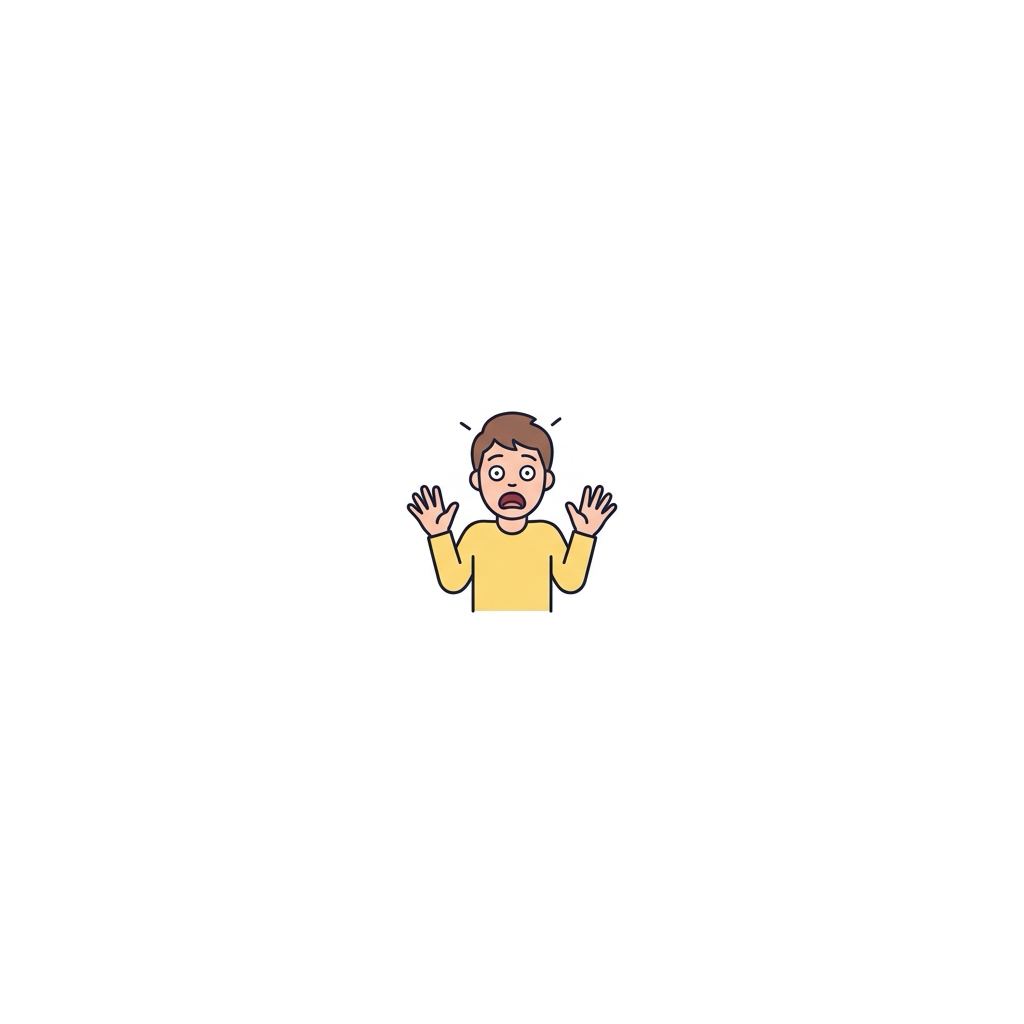
/əˈstɑːnɪʃmənt/A feeling of very great surprise.
Tiếng Việt
sự kinh ngạc
ơ-XTO-nít-s-mần-t
Nhấn mạnh vào âm tiết thứ hai 'XTO', các âm 's' và 't' cần được phát âm nhẹ nhưng rõ ở cuối từ.
Cảm giác vô cùng ngạc nhiên.
Meanings
3 meanings
1A feeling of very great surprise.emotions
Cảm giác vô cùng ngạc nhiên, sửng sốt.
“To my utter astonishment, she remembered my name.”
“Đến mức vô cùng kinh ngạc, cô ấy vẫn nhớ tên tôi.”
- He expressed astonishment at the results.
- She could not hide her astonishment.
- Then, to my great astonishment, he started to cry.
- To the astonishment of her colleagues, she resigned.
- She gasped in astonishment.
Cấu trúc 'To one's astonishment' (để diễn tả sự ngạc nhiên của ai đó) rất phổ biến trong tiếng Anh. Người Việt thường dịch thoát ý là 'Thật ngạc nhiên là...' hoặc 'Đến mức kinh ngạc là...'.
2Something very surprising.general
Một điều gì đó rất đáng ngạc nhiên, sự kiện gây sửng sốt.
“The rapid success of the new technology was an astonishment to the scientific community.”
“Sự thành công nhanh chóng của công nghệ mới là một điều gây kinh ngạc đối với cộng đồng khoa học.”
- The sheer scale of the universe is a constant astonishment.
Trong nghĩa này, 'astonishment' đóng vai trò là danh từ đếm được (an astonishment). Tuy nhiên, cách dùng này khá trang trọng (formal) và ít gặp trong giao tiếp hàng ngày so với từ 'surprise'.
3Loss of physical sensation, mental faculties, or composure; inability to move or think.literary
Sự mất cảm giác, mất khả năng suy nghĩ hoặc bình tĩnh; sự điếng người, sững sờ không thể cử động.
“He was struck with astonishment and could not move a muscle.”
“Anh ta sững sờ kinh ngạc và không thể nhúc nhích dù chỉ một cơ bắp.”
- The sudden blow left him in a state of complete astonishment.
Nghĩa này mang tính văn chương (literary) và cổ điển (old-fashioned). Trong tiếng Việt có thể dịch là 'điếng người' hoặc 'chết lặng'.
Word bank
Near synonyms
Common phrases
- great astonishment
- absolute astonishment
- complete astonishment
- utter astonishment
- express astonishment
- hide astonishment
- a gasp of astonishment
- a look of astonishment
- blank astonishment
- mild astonishment
Grammar & forms
Grammar
- uncountable
- countable
Inflections
- plural
- astonishments
Word family
- astonishingadjective
- astonishinglyadverb
- astonishverb
Usage patterns
- in astonishment
- to somebody's astonishment
- express astonishment at something
- with astonishment
Avoid mistakes
Common mistakes
For my astonishment, she won the race.
To my astonishment, she won the race.
The correct preposition to use when describing the effect an event has on someone's feelings is 'to' (e.g., to my surprise, to my astonishment).
He looked at me with an astonishment.
He looked at me in astonishment.
When describing the state or manner of feeling, 'in astonishment' is the standard phrase. Also, 'astonishment' is typically uncountable here, so 'an' is incorrect.
She expressed her astonishment on the decision.
She expressed her astonishment at the decision.
The preposition 'at' is used after astonishment to indicate the cause of the feeling.
It was a great astonishment to see him.
It was a great surprise to see him.
While 'astonishment' can technically mean 'a surprising thing', it is much more natural and common to use 'surprise' in this context.
He couldn't hide his astonishments.
He couldn't hide his astonishment.
As an emotion, 'astonishment' is an uncountable noun and should not be pluralized.
Don't confuse with
- amazement
a feeling of great surprise or wonder
“She looked at him in amazement.”
Astonishment often implies a slightly stronger degree of shock or disbelief than amazement, though they are frequently used interchangeably.
- surprise
an unexpected event, piece of information, etc., or the feeling caused by it
“The news came as a complete surprise.”
Surprise is the most general term; astonishment is a much stronger and more intense form of surprise.
Academic collocations
Words that pair with "astonishment" in formal and academic writing
- verb
- expressfeignhidecauseregister
- adjective
- utterabsoluteblankmildgenuine
- noun
- lookgaspexpressionstate
- preposition
- intoatwith
In context
Real-world examples
- daily life
To my utter astonishment, the street food vendor remembered my exact order from last year.
Tôi vô cùng kinh ngạc khi người bán thức ăn đường phố vẫn nhớ chính xác món tôi đã gọi từ năm ngoái.
Văn hóa ẩm thực đường phố rất phổ biến ở Việt Nam, và sự gắn kết cá nhân giữa người bán và khách hàng thường được đánh giá cao.
- business
The board members expressed their astonishment at the sudden surge in quarterly profits.
Các thành viên hội đồng quản trị bày tỏ sự kinh ngạc trước sự tăng vọt đột ngột của lợi nhuận hàng quý.
Trong môi trường doanh nghiệp Việt Nam, việc thể hiện những cảm xúc mạnh như sự kinh ngạc thường được thực hiện một cách trang trọng và lịch sự.
- academic
The professor looked in astonishment as the student solved the complex equation in seconds.
Vị giáo sư nhìn với vẻ kinh ngạc khi sinh viên giải phương trình phức tạp chỉ trong vài giây.
Sự tôn trọng giáo viên là điều tối quan trọng ở Việt Nam (tôn sư trọng đạo), do đó việc một học sinh làm giáo sư kinh ngạc là một sự kiện rất đáng chú ý.
- tourism
The sheer scale of Son Doong Cave is a constant astonishment to explorers.
Quy mô khổng lồ của hang Sơn Đoòng không ngừng khiến các nhà thám hiểm kinh ngạc.
Hang Sơn Đoòng là niềm tự hào quốc gia của Việt Nam, thường gắn liền với cảm giác choáng ngợp và kinh ngạc đối với du khách quốc tế.
Notes for Vietnamese speakers
- Trong văn hóa giao tiếp của người Việt, sự kinh ngạc thường đi kèm với các thán từ bộc lộ cảm xúc mạnh như 'Trời ơi!', 'Hả!', hoặc 'Ôi chao!'.
- Khi thể hiện sự kinh ngạc trước người lớn tuổi hoặc cấp trên, người Việt thường cố gắng giữ thái độ chừng mực, kết hợp với ngôn ngữ cơ thể nhẹ nhàng để duy trì sự tôn trọng và lễ phép.
Etymology
From Old French 'estonement', from the verb 'estoner' (to stun, daze, deafen, astound), ultimately from Vulgar Latin *extonare (to strike with lightning). Entered English in the late 15th century.
Exam levels
IELTS
6.0
CEFR
B2
TOEIC
705-800
More in Vietnamese
- Cambridge English–Vietnamese Dictionary
Nghĩa tiếng Việt kèm ví dụ từ Cambridge Dictionary.
- VDict (Anh–Việt)
Từ điển Anh–Việt với ví dụ song ngữ.