affectionate
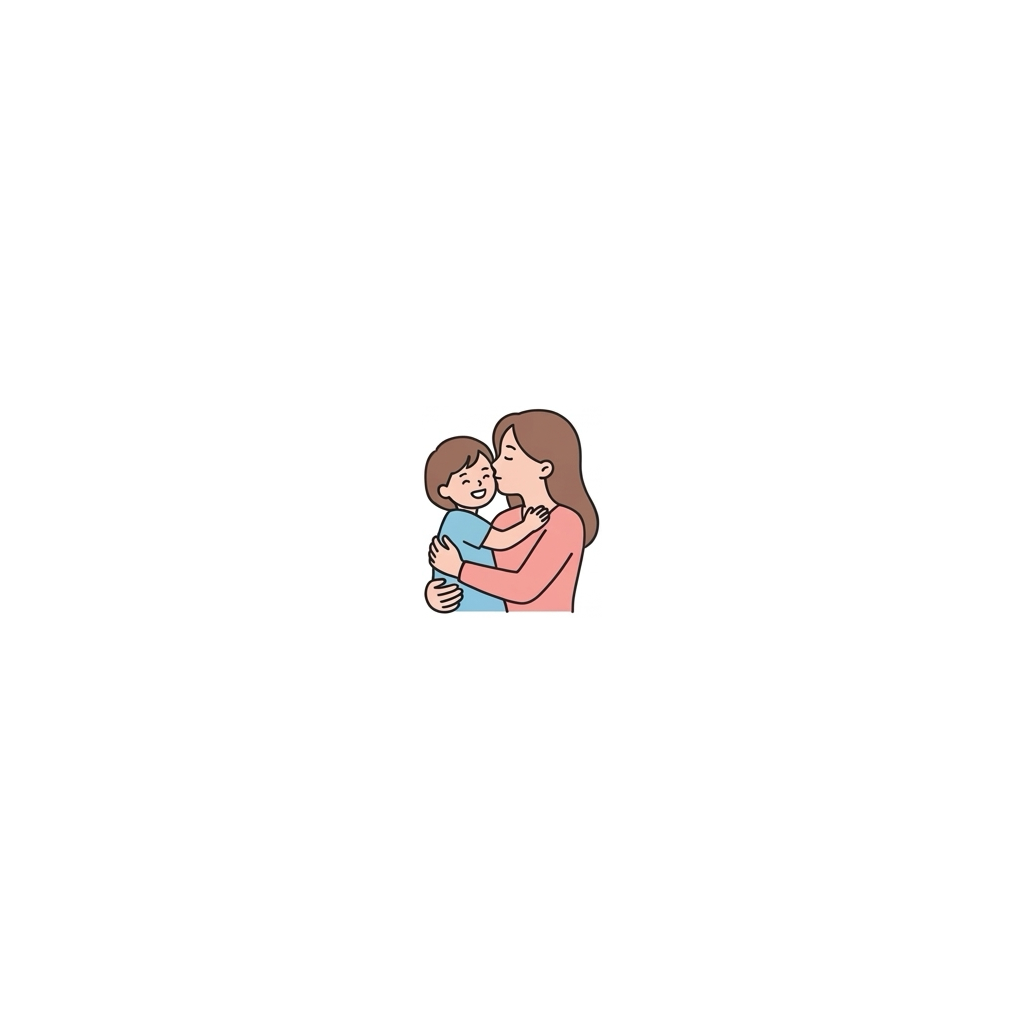
/əˈfekʃənət/Showing caring feelings and love for somebody.
Tiếng Việt
trìu mến
ơ-FÉC-sân-nợt
Nhấn mạnh vào âm tiết thứ hai 'FÉC', âm 'sân' và 'nợt' đọc nhẹ và lướt.
Thể hiện sự quan tâm và tình yêu thương đối với ai đó.
Meanings
4 meanings
1Showing caring feelings and love for somebody.adjectiveemotions
Thể hiện sự quan tâm và tình yêu thương đối với ai đó.
“He is very affectionate towards his children.”
“Anh ấy rất trìu mến với các con của mình.”
- She gave him an affectionate hug.
- He's an affectionate child who loves to be cuddled.
Thường đi kèm với giới từ 'towards' hoặc 'to' (affectionate towards/to somebody). Dùng để miêu tả tính cách hoặc thái độ của con người.
2Showing feelings of liking someone or something, especially by touching, kissing, or holding.adjectivesocial
Thể hiện cảm xúc yêu mến ai đó hoặc điều gì đó, đặc biệt thông qua việc chạm, hôn hoặc ôm.
“They greeted each other with an affectionate kiss on the cheek.”
“Họ chào nhau bằng một nụ hôn âu yếm trên má.”
- The dogs are very affectionate with each other.
Trong ngữ cảnh này, từ thường được dịch là 'âu yếm' và dùng để miêu tả các hành động vật lý (ôm, hôn, vuốt ve).
3Characterized by or proceeding from affection; indicating love or tenderness.adjectiveliterary
Đặc trưng bởi hoặc xuất phát từ tình cảm; biểu thị tình yêu hoặc sự dịu dàng.
“He threw an affectionate glance in her direction before leaving the room.”
“Anh ấy ném một cái nhìn trìu mến về phía cô trước khi rời khỏi phòng.”
Dùng trong văn phong trang trọng hoặc văn chương để miêu tả ánh mắt, nụ cười, hoặc cử chỉ mang đậm tình cảm.
4To show affection to; to have affection for.verbrare
Thể hiện tình cảm với; có tình cảm với.
“In older texts, one might read of a mother who affectionated her children deeply.”
“Trong các văn bản cổ, người ta có thể đọc về một người mẹ vô cùng yêu thương những đứa con của mình.”
Đây là cách sử dụng rất cổ và hiếm gặp (old-fashioned). Người học tiếng Anh hiện đại không nên dùng từ này như một động từ, thay vào đó hãy dùng 'love' hoặc 'care for'.
Word bank
Grammar & forms
Grammar
- transitive
Inflections
- third_person_singular
- affectionates
- past_simple
- affectionated
- past_participle
- affectionated
- present_participle
- affectionating
Word family
- affectionatelyadverb
- affectionnoun
Usage patterns
- affectionate towards somebody
- affectionate to somebody
- affectionate somebody
Avoid mistakes
Common mistakes
He is very affectionate with his new car.
He is very fond of his new car.
'Affectionate' is typically used for living beings (people or animals), not inanimate objects.
She has a lot of affectionate for her grandmother.
She has a lot of affection for her grandmother.
Do not confuse the adjective 'affectionate' with the noun 'affection'.
He looked at her affectionately way.
He looked at her in an affectionate way.
Use the adjective 'affectionate' to modify a noun like 'way', not the adverb 'affectionately'.
They are very affectionate for each other.
They are very affectionate towards each other.
The correct preposition to use after 'affectionate' is 'towards' or 'to', not 'for'.
She is an affectionately mother.
She is an affectionate mother.
Use the adjective form 'affectionate' to describe a noun (mother), not the adverb form.
Don't confuse with
- affected
artificial, pretentious, or influenced by something
“She spoke with an affected accent.”
Use 'affectionate' for showing love, and 'affected' for something artificial or influenced.
Academic collocations
Words that pair with "affectionate" in formal and academic writing
- verb
- remainseembecome
- adjective
- deeplywarmlygenuinely
- noun
- bondrelationshipnaturegreeting
- preposition
- towardsto
In context
Real-world examples
- family
Vietnamese parents are often affectionate through actions rather than words.
Cha mẹ Việt Nam thường thể hiện sự trìu mến qua hành động hơn là lời nói.
Phản ánh văn hóa Á Đông, nơi tình cảm gia đình thường được thể hiện qua sự chăm sóc thực tế (như nấu ăn, lo lắng sức khỏe) thay vì nói 'con yêu bố mẹ' hay 'bố mẹ yêu con'.
- academic
The teacher gave the student an affectionate pat on the back.
Giáo viên vỗ lưng học sinh một cách trìu mến.
Thể hiện sự khích lệ tinh thần trong môi trường giáo dục, nơi giáo viên thường đóng vai trò như người hướng dẫn tận tâm.
- social
Public displays of affectionate behavior are becoming more common among young couples in Vietnam.
Việc thể hiện những hành vi âu yếm nơi công cộng đang trở nên phổ biến hơn ở các cặp đôi trẻ tại Việt Nam.
Cho thấy sự thay đổi trong quan niệm xã hội tại Việt Nam, khi giới trẻ ngày càng cởi mở hơn trong việc thể hiện tình cảm.
- business
He wrote an affectionate email to his long-time business partner.
Ông ấy đã viết một email đầy tình cảm cho đối tác kinh doanh lâu năm của mình.
Trong văn hóa kinh doanh Việt Nam, việc xây dựng mối quan hệ cá nhân thân thiết (tình cảm) với đối tác lâu năm là rất quan trọng.
- daily life
Grandparents in Vietnam are known for being deeply affectionate towards their grandchildren.
Ông bà ở Việt Nam nổi tiếng là vô cùng yêu thương và chiều chuộng các cháu của mình.
Nhấn mạnh cấu trúc gia đình đa thế hệ truyền thống ở Việt Nam, nơi ông bà thường dành rất nhiều tình cảm và thời gian chăm sóc cháu.
Notes for Vietnamese speakers
- Trong văn hóa Việt Nam, sự trìu mến (affection) thường được thể hiện qua hành động chăm sóc (như nấu ăn, gắp thức ăn cho nhau) hơn là qua lời nói trực tiếp.
- Việc thể hiện tình cảm âu yếm nơi công cộng (như ôm, hôn) trước đây không phổ biến trong văn hóa truyền thống, nhưng hiện nay đang dần được giới trẻ chấp nhận rộng rãi hơn tại các thành phố lớn.
Etymology
Late 15th century: from French affectionné or medieval Latin affectionatus, from Latin affectio(n-) 'disposition', from the verb afficere 'to influence'.
Exam levels
IELTS
7.5
CEFR
C2
TOEIC
855-990
More in Vietnamese
- Cambridge English–Vietnamese Dictionary
Nghĩa tiếng Việt kèm ví dụ từ Cambridge Dictionary.
- VDict (Anh–Việt)
Từ điển Anh–Việt với ví dụ song ngữ.