paw
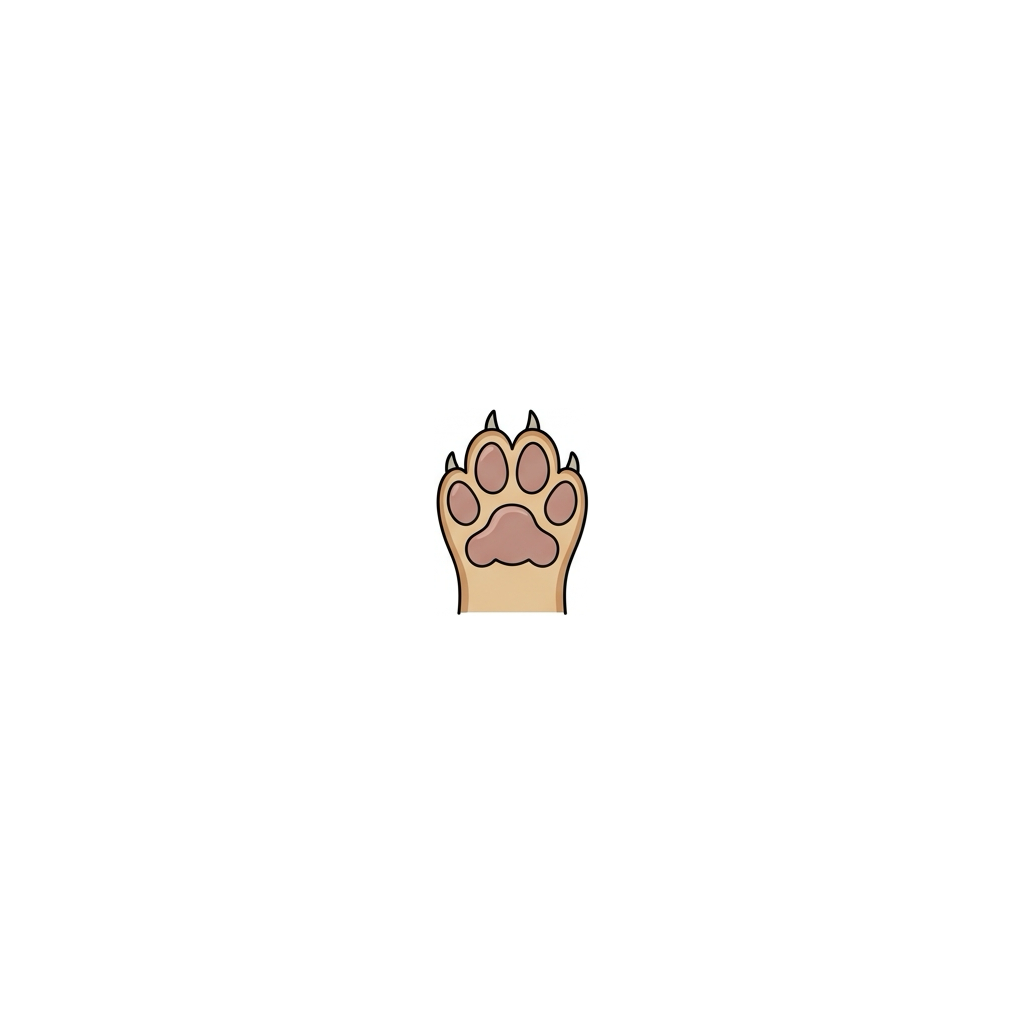
/pɔː/The foot of an animal that has claws or nails, or the action of an animal scratching or touching something with its foot.
Tiếng Việt
bàn chân (động vật) / cào, khều
PO
Phát âm giống âm 'po' trong tiếng Việt nhưng mở rộng miệng và kéo dài âm 'o' (âm /ɔː/ dài).
Bàn chân của động vật có móng vuốt, hoặc hành động động vật cào, chạm vào vật gì đó bằng chân.
Meanings
5 meanings
1The foot of an animal that has claws or nails.noungeneral
Bàn chân của động vật có móng vuốt.
“The cat licked its front paw.”
“Con mèo liếm bàn chân trước của nó.”
- The dog had a thorn stuck in its paw.
- We found muddy paw prints all over the kitchen floor.
Trong tiếng Anh, 'paw' chỉ dùng cho động vật có móng vuốt và đệm thịt (chó, mèo, gấu...). Không dùng cho động vật có guốc như ngựa, bò (dùng 'hoof') hoặc chim (dùng 'claw'/'talon').
2A person's hand.nouninformal
Bàn tay của con người (nghĩa lóng).
“Take your filthy paws off me!”
“Bỏ cái tay bẩn thỉu của anh ra khỏi người tôi!”
- Keep your paws off my chocolate!
- He wrapped his giant paws around the mug.
Đây là cách nói lóng (slang) mang tính chất suồng sã hoặc bực tức, ám chỉ bàn tay to thô kệch hoặc hành động đụng chạm thiếu lịch sự, tương tự như cách nói 'cái tay thối' trong tiếng Việt.
3To scratch or touch something repeatedly with a paw.verbgeneral
Cào hoặc chạm vào vật gì đó liên tục bằng bàn chân (của động vật).
“The dog pawed at my sleeve.”
“Chú chó cào cào vào tay áo tôi.”
- The horse pawed the ground nervously.
- A cat was pawing at the window, trying to get in.
Thường đi kèm với giới từ 'at' (paw at something) để diễn tả hành động cào, khều liên tục để gây sự chú ý hoặc đòi hỏi điều gì đó.
4To touch somebody in a rough sexual way that they find offensive.verbsocial
Sờ soạng ai đó một cách thô lỗ, mang tính nhục dục khiến họ cảm thấy khó chịu.
“She complained that her boss had been pawing her.”
“Cô ấy phàn nàn rằng sếp của mình đã sờ soạng cô ấy.”
- I couldn't stand the way he was pawing at me.
- He got drunk and started pawing the women at the bar.
Từ này mang sắc thái rất tiêu cực (disapproving), dùng để chỉ hành vi quấy rối tình dục bằng tay, đụng chạm không mong muốn.
5To clumsily dig through something.verbgeneral
Lục lọi, bới móc một cách vụng về.
“He pawed through the papers on his desk looking for the receipt.”
“Anh ta bới tung đống giấy tờ trên bàn để tìm tờ biên lai.”
- She pawed blindly through her purse for her keys.
Thường dùng với giới từ 'through' (paw through) để diễn tả sự tìm kiếm vội vã, lộn xộn, giống như con vật đang bới đất.
Word bank
Grammar & forms
Grammar
- countable
- intransitive
- transitive
Inflections
- plural
- paws
- third_person_singular
- paws
- past_simple
- pawed
- past_participle
- pawed
- present_participle
- pawing
Usage patterns
- paw at something
- paw something
- paw somebody
Avoid mistakes
Common mistakes
The dog's hand was injured.
The dog's paw was injured.
Animals like dogs and cats have paws, not hands.
He pawed to the door.
He pawed at the door.
Use the preposition 'at' when an animal scratches or touches something repeatedly.
The cat has four feets.
The cat has four paws.
While 'feet' is sometimes used, 'paws' is the specific and more natural term for animals with claws and pads, and 'feet' has an irregular plural.
She pawed the ground with her foot.
The horse pawed the ground with its hoof.
Humans don't typically 'paw' the ground; this action is associated with animals.
Take your paws of me!
Take your paws off me!
The correct preposition in this informal idiom is 'off', not 'of'.
Don't confuse with
- pour
to flow rapidly in a steady stream
“Pour the water into the glass.”
Sounds exactly like 'paw' in British English (homophones).
- pore
a minute opening in a surface, or to study something closely
“Sweat passes through the pores.”
Sounds exactly like 'paw' in British English (homophones).
- poor
lacking sufficient money to live at a standard considered comfortable
“They were too poor to buy shoes.”
Often pronounced similarly to 'paw' in some British English dialects.
Academic collocations
Words that pair with "paw" in formal and academic writing
- verb
- lickraiseinjure
- adjective
- fronthindinjuredmuddy
- noun
- printmarkpad
- preposition
- withonat
In context
Real-world examples
- daily life
The vet carefully examined the dog's injured paw.
Bác sĩ thú y cẩn thận kiểm tra bàn chân bị thương của chú chó.
Thú cưng ngày càng phổ biến ở Việt Nam, việc đưa chó mèo đi khám thú y (vet) trở nên rất quen thuộc trong đời sống hàng ngày.
- informal
Keep your paws off my new laptop!
Bỏ cái tay bẩn của cậu ra khỏi chiếc laptop mới của tớ!
Sử dụng 'paw' để chỉ tay người mang ý nghĩa suồng sã, trêu đùa hoặc bực tức, tương đương với cách nói 'cái tay bẩn/tay thối' trong tiếng Việt.
- daily life
The stray cat was pawing at the restaurant's glass door.
Chú mèo hoang đang cào cào vào cửa kính của nhà hàng.
Hình ảnh chó mèo hoang cào cửa xin ăn khá phổ biến ở các khu phố ẩm thực tại Việt Nam.
- business
The manager was fired after allegations that he was pawing female employees.
Người quản lý đã bị sa thải sau những cáo buộc rằng ông ta đã sờ soạng các nữ nhân viên.
Vấn đề quấy rối tình dục nơi công sở (sờ soạng/pawing) đang được quan tâm và xử lý nghiêm ngặt hơn tại môi trường làm việc ở Việt Nam.
- travel
He frantically pawed through his backpack to find his passport at the airport.
Anh ấy cuống cuồng bới tung balo để tìm hộ chiếu tại sân bay.
Hành động lục lọi, bới móc (paw through) thường thấy khi người ta vội vã tìm giấy tờ quan trọng ở những nơi đông đúc như sân bay, bến xe.
Notes for Vietnamese speakers
- Trong tiếng Việt, từ 'chân' được dùng chung cho cả người và động vật. Tuy nhiên, trong tiếng Anh, 'paw' chỉ dùng cho động vật có móng vuốt và đệm thịt (chó, mèo, gấu...), trong khi 'hoof' dùng cho động vật có guốc (ngựa, bò) và 'foot' dùng cho người.
- Khi dùng 'paw' để chỉ tay người (nghĩa lóng), nó mang sắc thái tiêu cực hoặc suồng sã, giống như cách nói 'cái tay thối' hay 'cái vuốt' trong tiếng Việt, thường dùng khi ai đó đụng chạm vào đồ của mình mà không xin phép.
Etymology
Middle English: from Old French poue, of Germanic origin; related to Dutch poot and German Pfote. The verb dates from the mid 15th century.
Exam levels
IELTS
6.5
CEFR
C1
TOEIC
805-850
More in Vietnamese
- Cambridge English–Vietnamese Dictionary
Nghĩa tiếng Việt kèm ví dụ từ Cambridge Dictionary.
- VDict (Anh–Việt)
Từ điển Anh–Việt với ví dụ song ngữ.