admire
/ədˈmaɪər/To respect someone for what they have done or to look at something with pleasure
Tiếng Việt
ngưỡng mộ
ờd-MAI-ờ
Nhấn mạnh vào âm tiết thứ hai 'MAI'. Âm 'd' ở cuối âm tiết đầu đọc nhẹ.
Tôn trọng ai đó vì những gì họ đã làm hoặc ngắm nhìn điều gì đó với sự thích thú.
Meanings
2 meanings
1To respect somebody for what they have done or to respect their qualitiesemotions
Ngưỡng mộ hoặc khâm phục ai đó vì những gì họ đã đạt được hoặc vì phẩm chất của họ
“I really admire your enthusiasm.”
“Tôi thực sự ngưỡng mộ sự nhiệt tình của bạn.”
- He is widely admired as a journalist.
- You have to admire their dedication and commitment.
- I rather admire him for his determination.
- What do you most admire about her?
Dùng cấu trúc 'admire somebody for something' để nói rõ lý do bạn ngưỡng mộ họ. Ví dụ: 'I admire her for her bravery'.
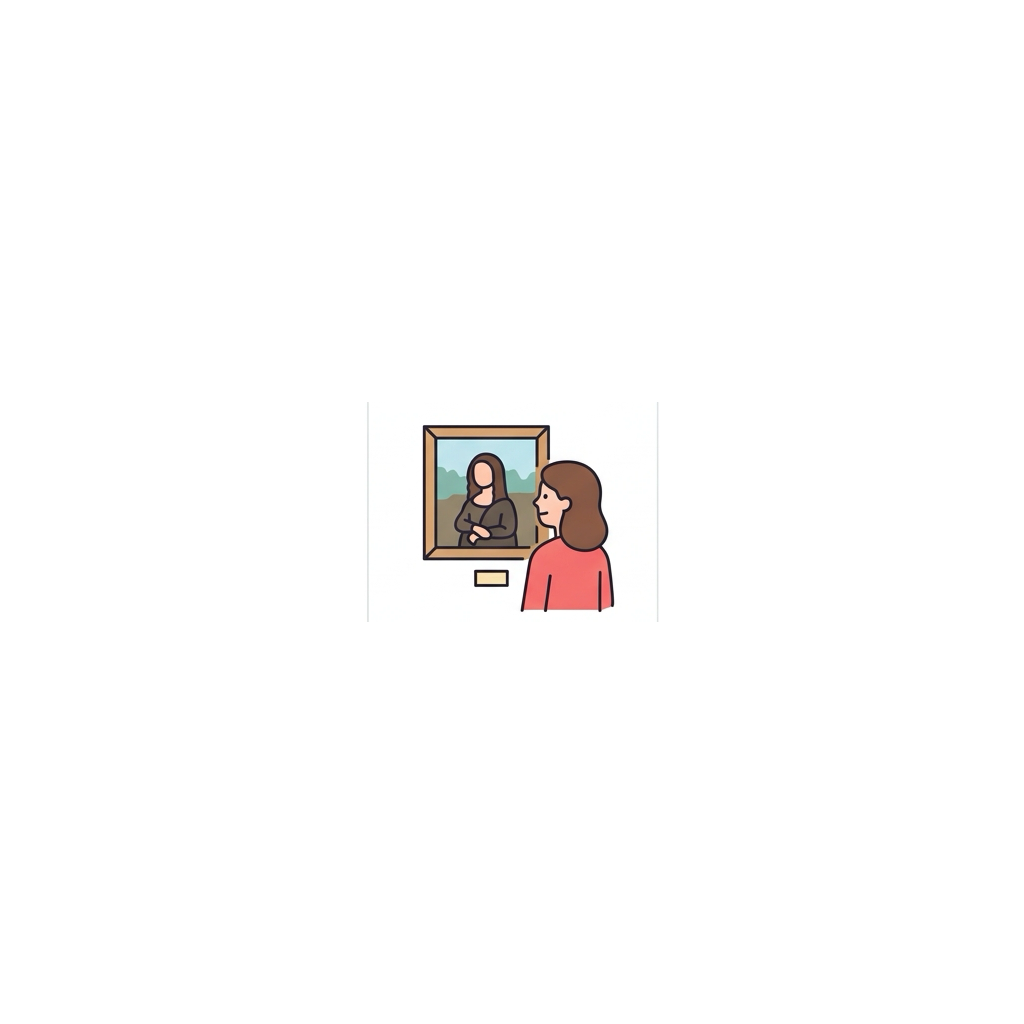
2To look at something and think that it is attractive and/or impressivegeneral
Ngắm nhìn điều gì đó và cảm thấy nó đẹp đẽ hoặc ấn tượng
“He stood back to admire his handiwork.”
“Anh ấy lùi lại để ngắm nhìn thành quả thủ công của mình.”
- I stood for a moment to admire the view.
- Guests were invited to admire the garden.
- She stopped to admire the display in the window.
Trong ngữ cảnh này, 'admire' tương đương với việc thưởng ngoạn vẻ đẹp. Không dùng giới từ 'at' sau 'admire'.
Word bank
Grammar & forms
Grammar
- transitive
Inflections
- third_person_singular
- admires
- past_simple
- admired
- past_participle
- admired
- present_participle
- admiring
Word family
- admirableadjective
- admirablyadverb
- admirationnoun
Usage patterns
- admire somebody
- admire something
- admire somebody for something
Avoid mistakes
Common mistakes
I admire at him.
I admire him.
Admire is a transitive verb and does not need the preposition 'at' when referring to a person.
She is admiring by everyone.
She is admired by everyone.
Use the past participle 'admired' for the passive voice.
I am admiring you.
I admire you.
When expressing a general feeling of respect, use the present simple tense, not the continuous form.
He admired to the view.
He admired the view.
Admire takes a direct object without 'to'.
Much people admire him.
Many people admire him.
Use 'many' with countable nouns (people), not 'much'.
Don't confuse with
- appreciate
to recognize the full worth of something
“I appreciate your help.”
Admire focuses on respect/wonder; appreciate focuses on thankfulness or understanding value.
Academic collocations
Words that pair with "admire" in formal and academic writing
- verb
- expresselicit
- adjective
- greatdeepwidespread
- noun
- admiration
- preposition
- for
In context
Real-world examples
- business
Many young Vietnamese entrepreneurs admire Pham Nhat Vuong for his business vision.
Nhiều doanh nhân trẻ Việt Nam ngưỡng mộ Phạm Nhật Vượng vì tầm nhìn kinh doanh của ông.
Thể hiện sự tôn trọng đối với các hình mẫu thành công trong nền kinh tế Việt Nam.
- daily life
We stopped for a moment to admire the sunrise over Ha Long Bay.
Chúng tôi dừng lại một chút để ngắm nhìn vẻ đẹp của bình minh trên Vịnh Hạ Long.
Sử dụng 'admire' để diễn tả việc thưởng ngoạn các danh lam thắng cảnh nổi tiếng của đất nước.
- academic
Scholars admire the architectural complexity of the Temple of Literature.
Các học giả ngưỡng mộ sự phức tạp trong kiến trúc của Văn Miếu - Quốc Tử Giám.
Dùng trong văn cảnh học thuật để đánh giá cao các giá trị lịch sử và văn hóa lâu đời.
- daily life
I really admire how you balance work and taking care of your family.
Tôi thực sự khâm phục cách bạn cân bằng giữa công việc và chăm sóc gia đình.
Phản ánh giá trị gia đình quan trọng trong văn hóa Việt Nam, nơi việc quán xuyến việc nhà và việc nước rất được coi trọng.
Notes for Vietnamese speakers
- Trong tiếng Việt, 'admire' có thể dịch là 'ngưỡng mộ' (trang trọng), 'khâm phục' (về tài năng/ý chí), hoặc 'ngắm nhìn' (vẻ đẹp ngoại hình).
- Người Việt thường dùng 'ngưỡng mộ' không chỉ cho người lớn tuổi mà còn cho bạn bè cùng lứa có thành tích xuất sắc.
- Khi khen ngợi vẻ đẹp của ai đó, 'admire' mang sắc thái lịch sự và tôn trọng hơn là chỉ nhìn chằm chằm.
Etymology
From Latin admirari 'wonder at', from ad- 'at' + mirari 'wonder'. Entered Middle English via Old French admirer.
Exam levels
IELTS
5.5
CEFR
B1
TOEIC
505-600
More in Vietnamese
- TFlat Dictionary (Soha)
Cung cấp các ví dụ phong phú và cách phát âm chuẩn cho người học Việt Nam.
- Cambridge English–Vietnamese Dictionary
Nghĩa tiếng Việt kèm ví dụ từ Cambridge Dictionary.
- VDict (Anh–Việt)
Từ điển Anh–Việt với ví dụ song ngữ.