originally
/əˈrɪdʒənəli/Used to describe the beginning of something or its first state before any changes were made.
Tiếng Việt
ban đầu
ờ-RÍT-giờ-nờ-lì
Nhấn mạnh vào âm tiết thứ hai 'RÍT', các âm còn lại đọc nhẹ và nhanh.
Dùng để mô tả sự bắt đầu của một sự vật hoặc trạng thái đầu tiên của nó trước khi có bất kỳ thay đổi nào.
Meanings
2 meanings
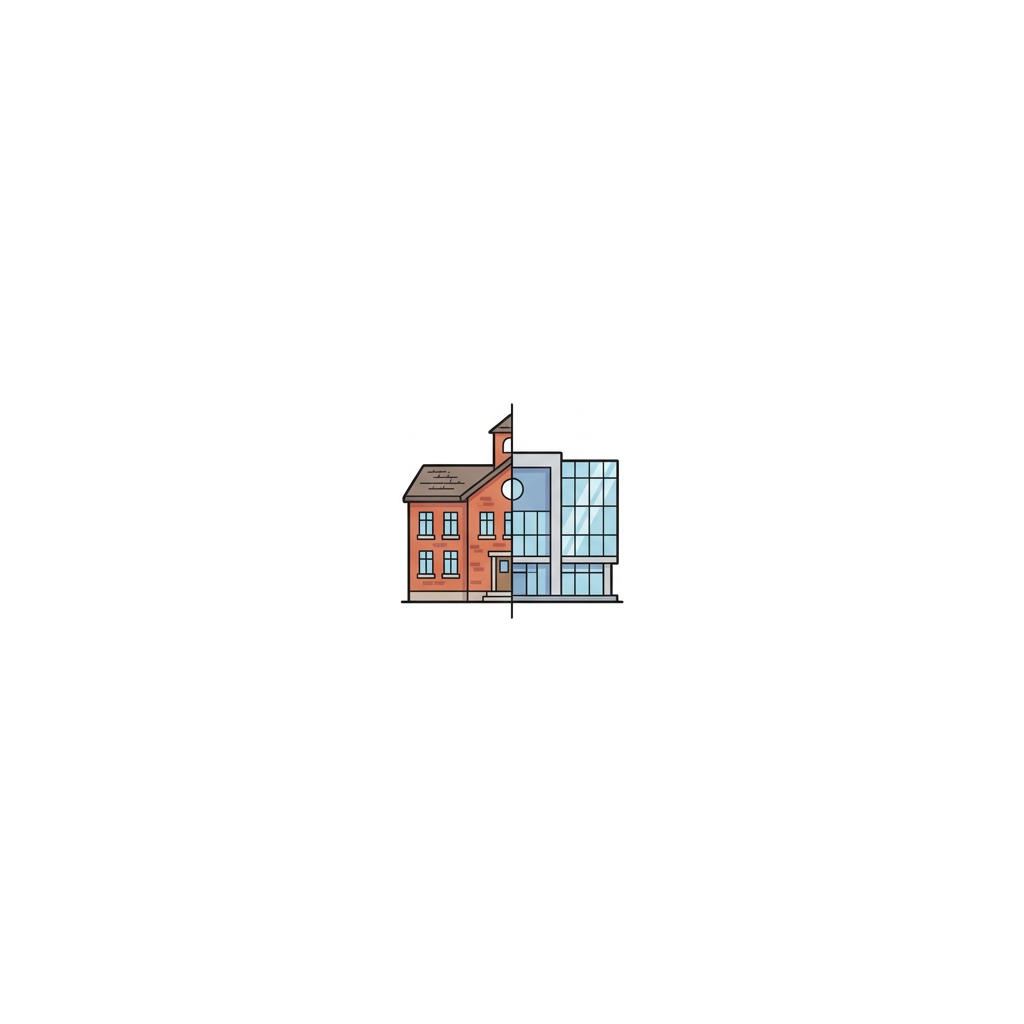
1Used to describe the situation that existed at the beginning of a particular period or activity, especially before something was changed.
Dùng để mô tả tình huống tồn tại vào thời điểm bắt đầu của một giai đoạn hoặc hoạt động cụ thể, đặc biệt là trước khi có sự thay đổi.
“The school was originally very small.”
“Ngôi trường này ban đầu rất nhỏ.”
- It was a bedroom originally, but we turned it into a study.
- They now live in California, but originally they came from Mexico.
- The building was originally used as a factory.
Người học nên dùng 'originally' khi muốn nhấn mạnh sự tương phản giữa trạng thái đầu tiên và hiện tại. Thường đi kèm với các động từ ở thì quá khứ.
2In an original, new, or creative way.
Theo một cách độc đáo, mới mẻ hoặc sáng tạo.
“The film treats a familiar subject very originally.”
“Bộ phim xử lý một chủ đề quen thuộc theo một cách rất độc đáo.”
- She thinks more originally than any of her colleagues.
- The room was originally decorated with hand-painted murals.
Ở cấp độ cao (C1), 'originally' không chỉ nói về thời gian mà còn nói về tư duy sáng tạo. Trong tiếng Việt có thể dịch là 'một cách độc đáo' hoặc 'đầy sáng tạo'.
Word bank
Near synonyms
Antonyms
Common phrases
- originally intended
- originally planned
- originally built
- originally called
- originally from
Grammar & forms
Word family
- originaladjective
- origin, originalitynoun
- originateverb
Usage patterns
- originally from...
- originally intended/planned
- originally called/named
Avoid mistakes
Common mistakes
The house was originaly built in 1920.
The house was originally built in 1920.
Spelling error: 'originally' requires a double 'l'.
Where do you original come from?
Where do you originally come from?
Use the adverb 'originally' to modify the verb 'come', not the adjective 'original'.
I am originally from English.
I am originally from England.
Confusing the language (English) with the place of origin (England).
He originally is from London.
He is originally from London.
Natural word order: 'originally' usually follows the verb 'to be' when used as an auxiliary.
The project was originally for to help children.
The project was originally intended to help children.
Use 'intended to' or 'meant to' after 'originally' for better flow in formal English.
Don't confuse with
- initially
at the beginning, often used for processes or sequences
“Initially, we had some problems, but they were soon solved.”
Originally often implies a permanent change from a first state, while initially often refers to the first step in a process.
Academic collocations
Words that pair with "originally" in formal and academic writing
- verb
- intendedproposeddevelopedpublished
- adjective
- conceiveddesigned
- noun
- conceptplandraft
- preposition
- fromas
In context
Real-world examples
- daily life
I'm originally from Hanoi, but I've lived in Ho Chi Minh City for ten years.
Tôi quê gốc ở Hà Nội, nhưng đã sống ở Thành phố Hồ Chí Minh được mười năm rồi.
Người Việt thường rất coi trọng quê quán (nguyên quán). Câu hỏi 'Bạn quê ở đâu?' rất phổ biến khi mới làm quen.
- business
The meeting was originally scheduled for Monday, but it has been moved to Wednesday.
Cuộc họp ban đầu được lên lịch vào thứ Hai, nhưng đã được chuyển sang thứ Tư.
Trong môi trường công sở Việt Nam, việc thông báo thay đổi lịch trình cần dùng từ ngữ chính xác để tránh hiểu lầm về thời gian ban đầu.
- academic
The temple was originally built during the Ly Dynasty.
Ngôi chùa này vốn được xây dựng từ thời nhà Lý.
Khi nói về lịch sử hoặc di tích tại Việt Nam, 'originally' giúp xác định niên đại khởi công của công trình trước khi qua các lần trùng tu.
- daily life
The dish was originally made with beef, but now we use chicken as a variation.
Món ăn này ban đầu làm từ thịt bò, nhưng giờ chúng tôi dùng thịt gà để biến tấu.
Ẩm thực Việt Nam có nhiều món ăn truyền thống được biến tấu theo vùng miền, việc biết nguồn gốc nguyên liệu là rất quan trọng.
Notes for Vietnamese speakers
- Trong tiếng Việt, 'originally' có thể được dịch linh hoạt thành 'ban đầu', 'vốn dĩ', 'gốc là' hoặc 'trước đây' tùy vào ngữ cảnh.
- Khi nói về quê quán, người Việt hay dùng cấu trúc 'quê gốc ở...' tương ứng với 'originally from...'.
- Từ này thường xuất hiện trong các cuộc hội thảo về bảo tồn văn hóa để phân biệt giữa giá trị nguyên bản và những thay đổi hiện đại.
Etymology
From Middle English 'originally', from Old French 'original' + the adverbial suffix '-ly'. Ultimately from Latin 'originalis', from 'origo' (source or birth). First recorded in English during the late 14th century (Oxford Dictionary of English Etymology).
Exam levels
CEFR
B1
TOEIC
505-600
More in Vietnamese
- TFlat Dictionary (Soha)
Cung cấp các ví dụ song ngữ Anh-Việt thực tế cho từ 'originally'.
- Cambridge English–Vietnamese Dictionary
Nghĩa tiếng Việt kèm ví dụ từ Cambridge Dictionary.
- VDict (Anh–Việt)
Từ điển Anh–Việt với ví dụ song ngữ.