cargo
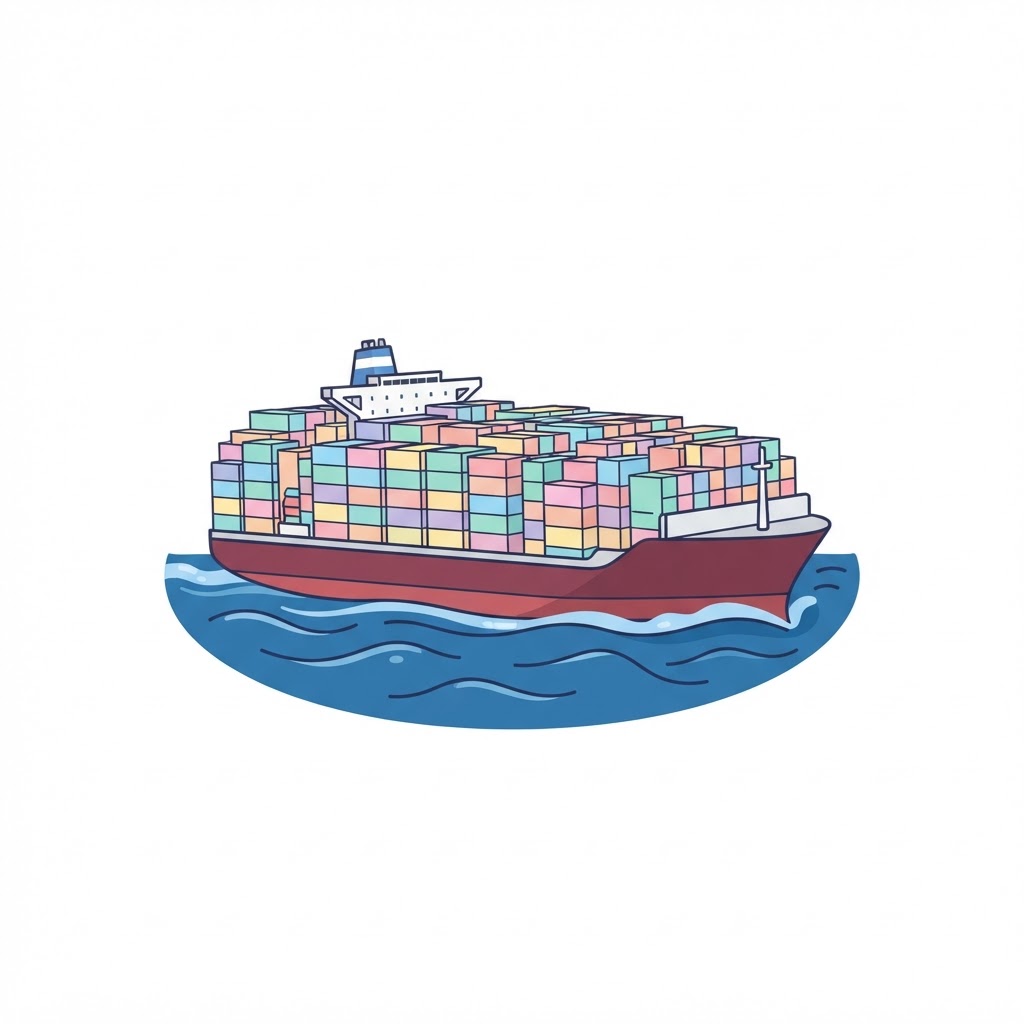
/ˈkɑːrɡəʊ/Goods carried on a ship, aircraft, or motor vehicle for commercial purposes.
Tiếng Việt
hàng hóa
KAA-gôu
Nhấn mạnh âm đầu KAA, âm sau gôu đọc nhẹ và kéo dài âm 'u' ở cuối.
Hàng hóa được vận chuyển bằng tàu thủy, máy bay hoặc xe cơ giới cho mục đích thương mại.
Meanings
3 meanings
1The goods carried in a ship, an aircraft or a motor vehicle.noungeneral
Hàng hóa được vận chuyển trong tàu thủy, máy bay hoặc xe cơ giới.
“The tanker began to spill its cargo of oil.”
“Tàu chở dầu bắt đầu làm tràn lô hàng dầu của mình.”
- The ship stopped to take on a cargo of fruit.
- The port handles cargo from all over Asia.
- The authorities confiscated eight trawlers and their cargo.
- The satellite was stowed in the shuttle's cargo bay for return to Earth.
Trong ngữ cảnh vận tải, 'cargo' tập trung vào đối tượng vật chất được chở, khác với 'freight' thường ám chỉ cả dịch vụ hoặc cước phí vận chuyển.
2Western material goods, especially as viewed in the context of cargo cults in Melanesia.nounsocial
Hàng hóa vật chất từ phương Tây, đặc biệt là khi được xem xét trong bối cảnh của các tín ngưỡng hàng hóa ở Melanesia.
“Traditional beliefs were transformed by the arrival of Western cargo.”
“Các tín ngưỡng truyền thống đã bị thay đổi bởi sự xuất hiện của hàng hóa phương Tây.”
- The prophet promised that ancestors would return bringing modern cargo.
Đây là nghĩa chuyên ngành xã hội học, người học không cần quá chú trọng trừ khi nghiên cứu về nhân học.
3To load a vehicle or vessel with freight or goods.verbrare
Chất hàng hóa hoặc hàng ký gửi lên một phương tiện hoặc tàu thủy.
“The crew worked through the night to cargo the vessel before high tide.”
“Các thủy thủ đã làm việc xuyên đêm để chất hàng lên tàu trước khi thủy triều dâng.”
Cách dùng 'cargo' như một động từ là cực kỳ hiếm gặp trong tiếng Anh hiện đại; thông thường người ta dùng 'load' hoặc 'freight'.
Word bank
Grammar & forms
Grammar
- countable
- uncountable
- transitive
Inflections
- plural
- cargoes
- plural
- cargos
- third_person_singular
- cargoes
- past_simple
- cargoed
- past_participle
- cargoed
- present_participle
- cargoing
Usage patterns
- cargo of something
- take on cargo
- discharge cargo
- cargo something
Avoid mistakes
Common mistakes
The ship's cargoes was inspected.
The ship's cargo was inspected.
When referring to the entire load as a single unit, 'cargo' is often used as an uncountable noun.
I have too much cargo in my suitcase.
I have too much luggage in my suitcase.
Cargo refers to commercial goods, not personal belongings.
The plane carried many cargos of food.
The plane carried a cargo of food.
Use the plural 'cargoes' only when referring to several distinct types or batches of goods.
The truck was cargoing the wood.
The truck was carrying the wood.
While 'cargo' can be a verb, it is extremely rare; 'carrying' or 'transporting' is much more natural.
They unloaded the cargo from the passenger.
They unloaded the cargo from the plane.
Cargo refers to inanimate goods, though 'human cargo' is a specific idiomatic expression for people being transported, often in an illegal or tragic context.
Don't confuse with
- freight
Often refers to the system of transporting goods or the cost, while cargo is the goods themselves.
“We sent the goods by sea freight as the cargo was too heavy for air transport.”
Use 'cargo' for the physical items on a ship/plane.
- luggage
Personal bags and suitcases belonging to a traveler.
“Passengers are responsible for their own luggage.”
Cargo is for commercial trade; luggage is for individuals.
Academic collocations
Words that pair with "cargo" in formal and academic writing
- verb
- transportdeliverinspectsecure
- adjective
- hazardousvaluableillegalcommercial
- noun
- manifestcapacityhandler
- preposition
- ofinon
In context
Real-world examples
- business
The Port of Hai Phong handles millions of tons of cargo every year.
Cảng Hải Phòng xử lý hàng triệu tấn hàng hóa mỗi năm.
Hải Phòng là cửa ngõ giao thương đường biển quan trọng nhất ở miền Bắc Việt Nam.
- daily life
The cargo ship was stuck at the canal, delaying many shipments.
Con tàu chở hàng bị kẹt tại kênh đào, làm chậm trễ nhiều lô hàng.
Người dân Việt Nam quan tâm đến chuỗi cung ứng vì nó ảnh hưởng đến giá cả hàng hóa nhập khẩu.
- academic
Fragile items must be secured properly in the cargo hold.
Các mặt hàng dễ vỡ phải được cố định cẩn thận trong khoang chứa hàng.
Phù hợp cho sinh viên ngành logistics hoặc xuất nhập khẩu tại Việt Nam.
- business
A large cargo of dragon fruit is being exported to Europe.
Một lô hàng thanh long lớn đang được xuất khẩu sang Châu Âu.
Nông sản (như thanh long, cà phê) là những mặt hàng xuất khẩu chủ lực của Việt Nam.
- daily life
He wears cargo pants because they have many useful pockets.
Anh ấy mặc quần túi hộp vì chúng có nhiều túi tiện dụng.
Thuật ngữ 'cargo' cũng xuất hiện trong thời trang phổ biến tại Việt Nam qua cụm từ 'quần cargo' (quần túi hộp).
Notes for Vietnamese speakers
- Trong tiếng Việt, 'cargo' thường được dịch là 'hàng hóa', nhưng trong ngành vận tải chuyên nghiệp, người ta thường dùng từ 'hàng' hoặc 'lô hàng'.
- Bạn cần phân biệt 'cargo' (hàng hóa thương mại) với 'luggage/baggage' (hành lý cá nhân) - một lỗi sai phổ biến khi bạn đi máy bay.
- Thuật ngữ 'Cargo cult' (tín ngưỡng hàng hóa) là một khái niệm nhân học ít phổ biến tại Việt Nam và cần giải thích kỹ khi dịch tài liệu xã hội học.
Etymology
Origin: Mid 16th century. From Spanish cargo 'load', from cargar 'to load', from Late Latin carricare 'to load a wagon', from Latin carrus 'wheeled vehicle'. Originally referred specifically to the loading of a ship. (Source: Oxford Dictionary of English Etymology)
Exam levels
CEFR
C1
TOEIC
805-850
More in Vietnamese
- TFlat Dictionary (Soha)
Cung cấp định nghĩa chi tiết và các ví dụ về chuyên ngành kinh tế.
- Cambridge English–Vietnamese Dictionary
Nghĩa tiếng Việt kèm ví dụ từ Cambridge Dictionary.
- VDict (Anh–Việt)
Từ điển Anh–Việt với ví dụ song ngữ.