avoid
/əˈvɔɪd/To keep away from someone or something, or to prevent something bad from happening.
Tiếng Việt
tránh / tránh xa
ờ-VOI-d
Nhấn mạnh âm thứ hai 'VOI', kết thúc bằng âm 'd' nhẹ ở đầu lưỡi.
Tránh xa ai đó hoặc điều gì đó, hoặc ngăn chặn một điều tồi tệ xảy ra.
Meanings
3 meanings
1To prevent something bad from happening.general
Ngăn chặn một điều gì đó tồi tệ xảy ra.
“The authorities are eager to avoid bad publicity.”
“Chính quyền đang thiết tha muốn tránh những tai tiếng không hay.”
- It is sometimes impossible to avoid conflict altogether.
- Most of these problems could have been easily avoided.
- They are anxious to avoid any further misunderstandings.
Khi dùng với nghĩa ngăn chặn, 'avoid' thường đi kèm với các danh từ tiêu cực như 'risk', 'conflict', hay 'mistake'.
2To keep away from somebody or something; to try not to do something.daily life
Tránh xa ai đó hoặc điều gì đó; cố gắng không làm việc gì đó.
“He has been avoiding me all week.”
“Anh ấy đã tránh mặt tôi suốt cả tuần nay.”
- I've been avoiding getting down to work all day.
- She pointedly avoided looking at him when she spoke.
- He deftly avoided answering the question.
- You should avoid mentioning his divorce.
Lưu ý quan trọng: Sau 'avoid' luôn là một danh từ hoặc động từ thêm đuôi -ing (V-ing). Không bao giờ dùng 'avoid to do'.
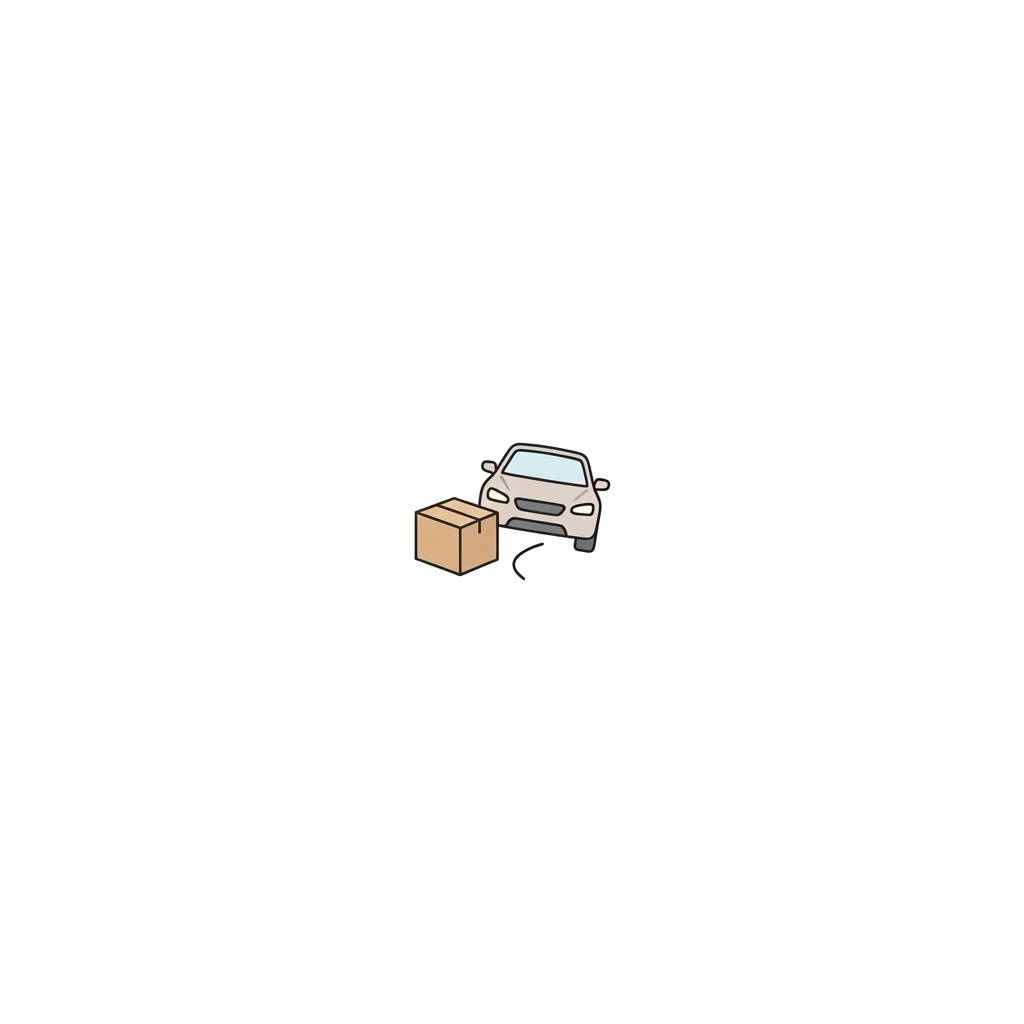
3To prevent yourself from hitting something.daily life
Tránh để không va chạm vào vật gì đó.
“The car swerved to avoid a cat.”
“Chiếc xe đánh lái gấp để tránh một con mèo.”
- He braked hard and narrowly avoided a parked van.
- They ducked to avoid a low branch.
Thường dùng trong các tình huống giao thông hoặc vận động thể chất để chỉ việc né tránh va chạm.
Word bank
Grammar & forms
Avoid mistakes
Common mistakes
I want to avoid to make mistakes.
I want to avoid making mistakes.
The verb 'avoid' is always followed by the gerund (-ing form), never by the infinitive (to do).
She avoided from the angry dog.
She avoided the angry dog.
'Avoid' is a transitive verb and does not take the preposition 'from'. You avoid something directly.
Don't confuse with
- prevent
to stop something from happening before it occurs
“This vaccine prevents the disease.”
'Prevent' focuses on stopping the event itself; 'avoid' focuses on staying away from it or ensuring it doesn't happen to you.
- evade
to escape from someone or something, often using trickery
“The criminal evaded the police.”
'Evade' implies active escape or deceit; 'avoid' is more general.
Academic collocations
Words that pair with "avoid" in formal and academic writing
- verb
- attempt tohelp totry to
- adjective
- possibledifficulthard
- noun
- problemriskconsequenceconflicterrorcontamination
- preposition
- atby
In context
Real-world examples
- daily life
You should avoid travelling during the Lunar New Year to escape the heavy traffic.
Bạn nên tránh đi lại trong dịp Tết Nguyên Đán để thoát khỏi cảnh tắc đường nghiêm trọng.
Giao thông tại Việt Nam cực kỳ đông đúc vào các dịp lễ lớn, đặc biệt là Tết.
- business
We need to clarify the terms of the contract to avoid any future disputes.
Chúng ta cần làm rõ các điều khoản hợp đồng để tránh bất kỳ tranh chấp nào trong tương lai.
Trong văn hóa kinh doanh Việt Nam, việc giữ hòa khí và tránh xung đột trực diện rất được coi trọng.
- academic
Students should avoid using informal language in their academic essays.
Sinh viên nên tránh sử dụng ngôn ngữ thân mật trong các bài luận học thuật.
Tính trang trọng trong văn viết là yêu cầu bắt buộc trong hệ thống giáo dục Việt Nam.
Notes for Vietnamese speakers
- Trong văn hóa Việt Nam, 'tránh' không chỉ là hành động vật lý mà còn là cách ứng xử tinh tế (tránh mặt) để giữ thể diện cho người khác.
- Người Việt thường dùng cụm từ 'tránh voi chẳng xấu mặt nào' để nói về việc chủ động tránh những rắc rối không đáng có.
Etymology
Middle English: from Anglo-Norman French avoider, from Old French esvuider 'clear out, withdraw', from es- (from Latin ex- 'out') + vuider 'to empty' (from vuide 'void'). The original sense was 'to empty' or 'withdraw', which evolved into 'to keep away from'.
Exam levels
CEFR
A2
TOEIC
255-400
More in Vietnamese
- TFlat Dictionary (Soha)
Cung cấp các cụm từ liên quan và ngữ cảnh sử dụng phổ biến.
- Cambridge English–Vietnamese Dictionary
Nghĩa tiếng Việt kèm ví dụ từ Cambridge Dictionary.
- VDict (Anh–Việt)
Từ điển Anh–Việt với ví dụ song ngữ.