lemon
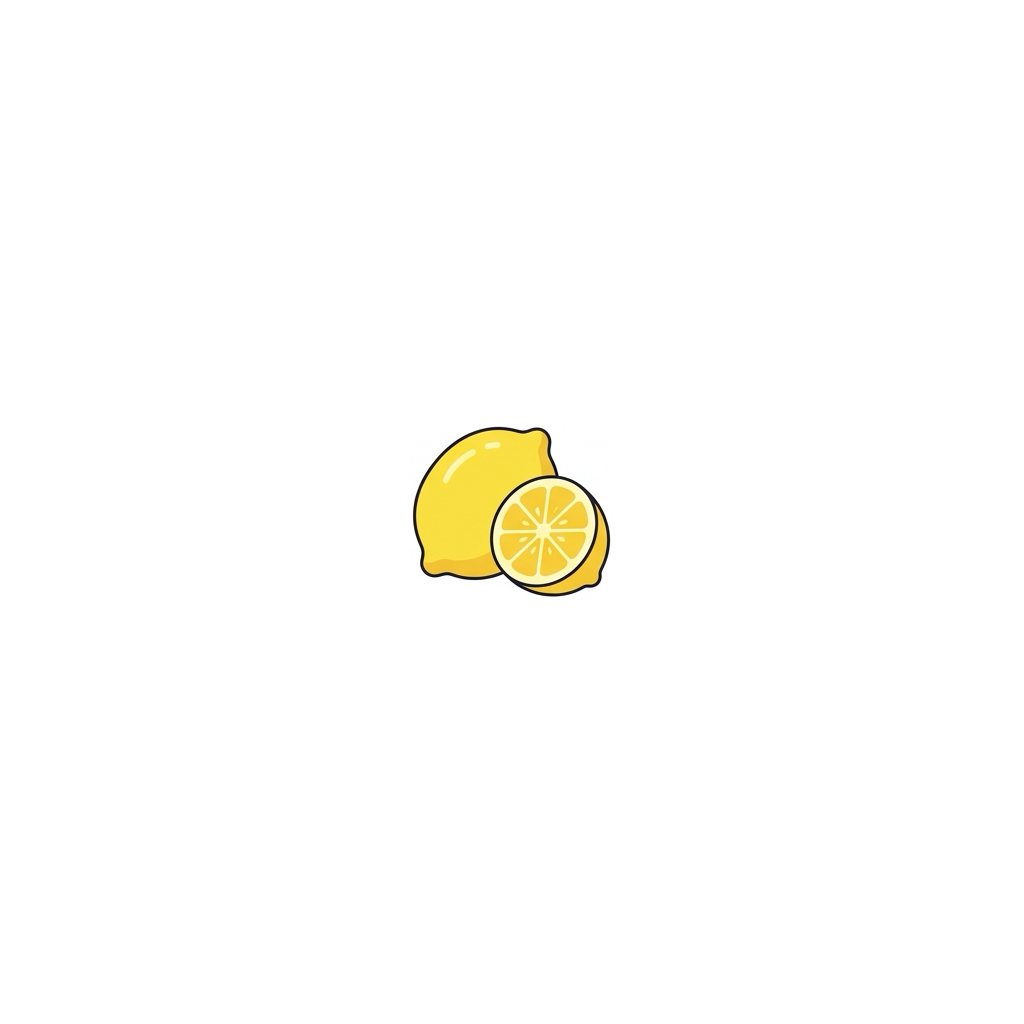
/ˈlemən/A yellow citrus fruit with a sour taste, or a pale yellow color; also used informally to describe a defective product.
Tiếng Việt
chanh vàng
LE-mờn
Nhấn mạnh âm đầu 'LE', âm 'mờn' đọc nhẹ và nhanh.
Một loại quả có múi màu vàng với vị chua, hoặc màu vàng nhạt; cũng được dùng một cách không trang trọng để mô tả một sản phẩm bị lỗi.
Meanings
10 meanings
1A yellow citrus fruit with juice that has a bitter, sharp taste, used in cooking and drinks.nounfood
Một loại quả có múi màu vàng với nước quả có vị chua, sắc, được dùng trong nấu ăn và đồ uống.
“Add a squeeze of lemon to the fish.”
“Vắt thêm một ít chanh vào cá.”
- Garnish the dish with a slice of lemon.
- For this recipe, you need the juice of half a lemon.
Người Việt hay nhầm 'lemon' với 'lime'. Hãy nhớ 'lemon' màu vàng, 'lime' màu xanh.
2A pale yellow color.noundaily life
Màu vàng nhạt (màu vàng chanh).
“She was wearing a beautiful lemon dress.”
“Cô ấy đang mặc một chiếc váy màu vàng chanh rất đẹp.”
- The walls were painted a soft lemon.
- The decor featured shades of lemon and white.
Dùng để mô tả màu sắc dịu nhẹ, sáng sủa trong thời trang hoặc trang trí nội thất.
3A device or machine, especially a car, that does not work well or is defective.noundaily life
Một thiết bị hoặc máy móc, đặc biệt là xe hơi, hoạt động không tốt hoặc bị lỗi.
“That car I bought turned out to be a real lemon.”
“Chiếc xe tôi mua hóa ra là một món đồ phế thải.”
- The phone was a lemon and kept crashing every hour.
- Consumer laws protect buyers who unknowingly purchase a lemon.
Đây là tiếng lóng (slang). Thường dùng nhất để nói về xe ô tô cũ bị hỏng hóc liên tục.
4A person who is considered stupid or slow to react.nounsocial
Một người bị coi là ngớ ngẩn hoặc chậm chạp trong phản ứng.
“I just stood there like a lemon, not knowing what to say.”
“Tôi cứ đứng đó như một thằng khờ, không biết phải nói gì.”
- Don't just stand there like a lemon; help me!
- He felt like a bit of a lemon when he realized he was at the wrong house.
Thành ngữ 'stand there like a lemon' rất phổ biến ở Anh để chỉ sự lúng túng, vụng về.
5The semitropical evergreen tree (Citrus limon) that bears lemons.noundaily life
Cây chanh vàng (Citrus limon), một loại cây thường xanh cận nhiệt đới.
“We planted a lemon in the backyard.”
“Chúng tôi đã trồng một cây chanh ở sân sau.”
- Lemon trees require plenty of sunlight and well-drained soil.
- The scent of the lemon blossoms filled the air.
Từ 'lemon' có thể chỉ cả quả và cây chanh trong ngữ cảnh trồng trọt.
6A type of shark, known as the lemon shark (Negaprion brevirostris).noungeneral
Một loại cá mập, được biết đến là cá mập chanh (Negaprion brevirostris).
“We saw a lemon swimming near the reef.”
“Chúng tôi thấy một con cá mập chanh đang bơi gần rạn san hô.”
- The lemon shark gets its name from its yellowish tint.
- Researchers tracked the lemon's migration patterns.
Tên gọi này bắt nguồn từ màu da hơi vàng của loại cá mập này.
7In geometry, a surface of revolution formed by rotating a circular arc about the line connecting its endpoints.nountechnical
Trong hình học, một mặt tròn xoay được tạo ra bằng cách quay một cung tròn quanh đường thẳng nối các đầu mút của nó.
“The properties of a lemon in circular geometry are distinct from those of a spindle.”
“Các đặc tính của một khối hình chanh trong hình học tròn khác biệt với các đặc tính của một khối hình thoi.”
Đây là thuật ngữ kỹ thuật chuyên ngành hình học, ít gặp trong giao tiếp hàng ngày.
8Having the pale yellow color of a lemon fruit.adjectivearts culture
Có màu vàng nhạt của quả chanh vàng.
“The room was decorated in lemon yellow tones.”
“Căn phòng được trang trí theo tông màu vàng chanh.”
- He chose a lemon shirt for the summer party.
- The sky turned a pale lemon at dawn.
Thường đứng trước danh từ để chỉ màu sắc.
9Containing, tasting of, or smelling like lemons.adjectivefood
Có chứa, có vị hoặc có mùi chanh.
“I'd like a glass of lemon tea, please.”
“Vui lòng cho tôi một ly trà chanh.”
- She used a lemon-scented cleaner for the kitchen.
- This lemon cake is incredibly moist.
Dùng để mô tả hương vị hoặc thành phần của thực phẩm, mỹ phẩm.
10To add lemon to something, typically for flavor or scent.verbfood
Thêm chanh vào cái gì đó, thường là để tạo hương vị hoặc mùi thơm.
“The chef lemoned the grilled fish just before serving.”
“Đầu bếp đã vắt chanh vào cá nướng ngay trước khi phục vụ.”
- She lemoned the water to make it more refreshing.
- The tea was lightly lemoned.
Dạng động từ này ít phổ biến hơn danh từ, thường dùng trong ngữ cảnh nấu ăn chuyên nghiệp.
Word bank
Grammar & forms
Grammar
- countable
- uncountable
- transitive
Inflections
- plural
- lemons
- third_person_singular
- lemons
- past_simple
- lemoned
- past_participle
- lemoned
- present_participle
- lemoning
Word family
- lemon, lemonyadjective
- lemon, lemonadenoun
Usage patterns
- a squeeze of lemon
- slice of lemon
- lemon juice
Avoid mistakes
Common mistakes
I want a lemon juice.
I want some lemon juice.
Juice is uncountable; 'a lemon juice' would imply a specific serving or drink, which is less common than 'some juice'.
The car is a lime.
The car is a lemon.
The idiom for a defective product specifically uses 'lemon', not other citrus fruits.
I bought a lemon of car.
I bought a lemon of a car.
The correct construction for this informal usage is 'a [noun] of a [noun]'.
He is a lemon person.
He is a bit of a lemon.
The informal British sense is usually used with 'a' or 'a bit of a'.
Squeeze the lemon onto the cake.
Squeeze some lemon onto the cake.
When referring to the juice rather than the whole fruit, use 'some' or specify 'juice'.
Don't confuse with
- lime
A similar but smaller green citrus fruit.
“Lemons are yellow, while limes are usually green and smaller.”
Distinguish by color (yellow vs. green) and size.
- citron
A large citrus fruit with a very thick rind.
“The citron is one of the original citrus species.”
Citron is less common and has much less juice than a lemon.
Academic collocations
Words that pair with "lemon" in formal and academic writing
- verb
- containproduceextract
- adjective
- freshacidicripe
- noun
- juiceextractoil
- preposition
- of
In context
Real-world examples
- daily life
Can I have a slice of lemon for my tea?
Cho tôi một lát chanh cho trà của tôi được không?
Ở Việt Nam, người dân thường dùng chanh xanh (lime) phổ biến hơn chanh vàng (lemon). Khi gọi 'lemon tea', người học cần phân biệt rõ hai loại này.
- business
I realized the second-hand laptop I bought was a lemon.
Tôi nhận ra chiếc máy tính xách tay cũ mà tôi mua là một món đồ bỏ đi.
Cách dùng từ 'lemon' để chỉ hàng lỗi rất phổ biến trong văn hóa phương Tây, đặc biệt là Mỹ, nhưng ít được biết đến trong giao tiếp tiếng Anh của người Việt.
- academic
The chemical properties of lemon juice make it an effective cleaning agent.
Các đặc tính hóa học của nước chanh làm cho nó trở thành một chất tẩy rửa hiệu quả.
Nước chanh thường được dùng trong các thí nghiệm khoa học cơ bản hoặc các mẹo làm sạch dân gian tại Việt Nam.
Notes for Vietnamese speakers
- Tại Việt Nam, từ 'chanh' thường mặc định là chanh ta (lime - vỏ xanh, nhỏ). 'Lemon' (chanh Tây/chanh vàng) thường chỉ có ở siêu thị hoặc các nhà hàng Âu.
- Thành ngữ 'When life gives you lemons, make lemonade' (Khi đời cho bạn những quả chanh, hãy pha chúng thành nước chanh) rất phổ biến để khuyên ai đó lạc quan trước nghịch cảnh.
- Ở Mỹ, 'Lemon Laws' là các đạo luật bảo vệ người tiêu dùng khi mua phải xe ô tô bị lỗi sản xuất.
Etymology
Etymology: From Middle English 'lymon', from Old French 'limon', ultimately from Arabic 'laymūn' and Persian 'līmūn'. It entered English in the late 14th century (Source: Oxford Dictionary of English Etymology).
Exam levels
IELTS
4.0
CEFR
A2
TOEIC
255-400
More in Vietnamese
- TFlat Dictionary (Soha)
Cung cấp cách phát âm và các cụm từ liên quan đến chanh.
- Cambridge English–Vietnamese Dictionary
Nghĩa tiếng Việt kèm ví dụ từ Cambridge Dictionary.
- VDict (Anh–Việt)
Từ điển Anh–Việt với ví dụ song ngữ.