browser
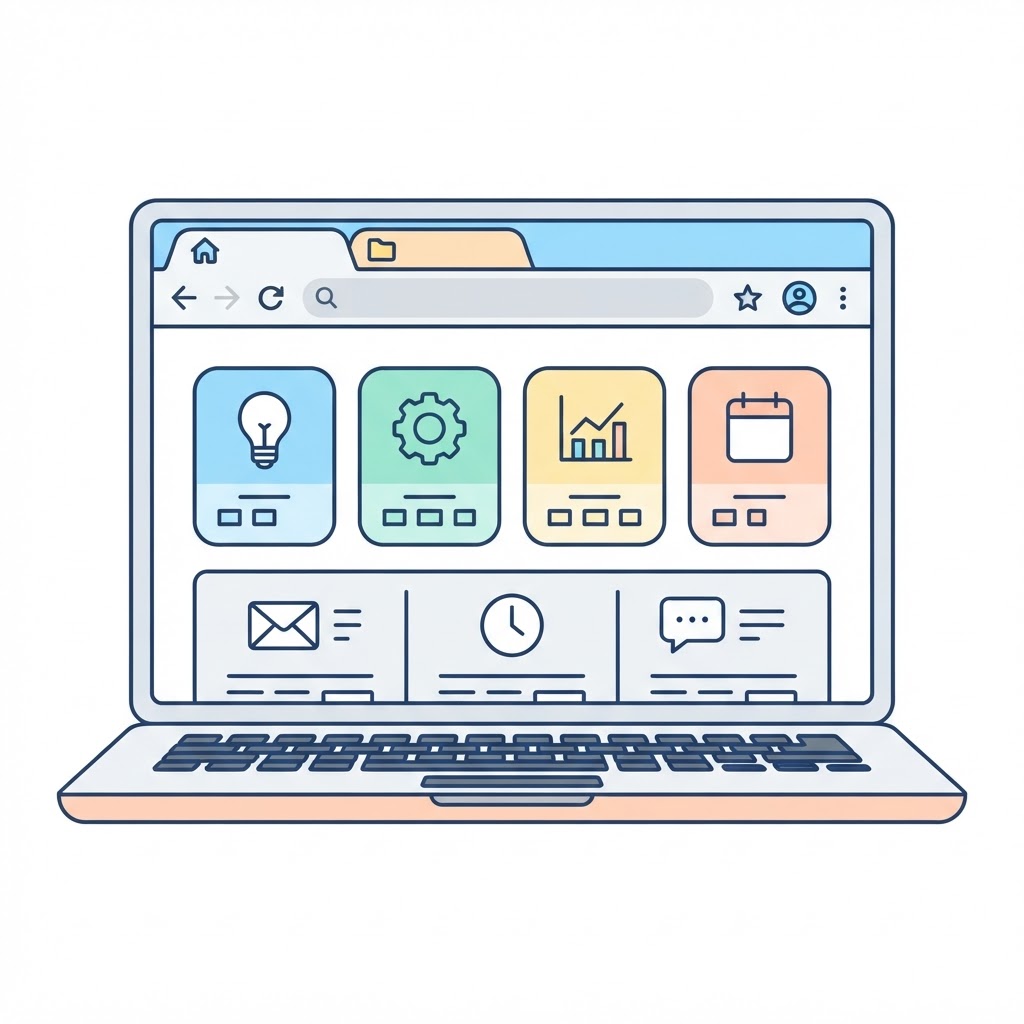
/ˈbraʊzər/A computer program used to view websites on the internet, or a person who looks at goods in a shop without a definite plan to buy anything.
Tiếng Việt
trình duyệt
BRAO-zờ
Nhấn mạnh vào âm tiết đầu 'BRAO' (vần ao), âm 'zờ' đọc nhẹ và kéo dài âm 'z' một chút.
Chương trình máy tính dùng để xem các trang web trên internet, hoặc người xem hàng hóa trong cửa hàng mà không có kế hoạch mua sắm cụ thể.
Meanings
3 meanings
1A computer program that lets you look at or read documents and websites on the World Wide Web.technology
Một chương trình máy tính cho phép bạn xem hoặc đọc các tài liệu và trang web trên mạng lưới toàn cầu (World Wide Web).
“What do you use as your default browser?”
“Bạn sử dụng chương trình nào làm trình duyệt mặc định?”
- You can download the latest version of the browser for free.
- To explore our products online, you will simply need a browser and internet access.
- The website is compatible with all major web browsers.
- The new browser is much faster at loading images.
Trong tiếng Việt, người dùng thường gọi tắt là 'trình duyệt' thay vì 'trình duyệt web'. Lưu ý phân biệt trình duyệt với công cụ tìm kiếm (search engine).
2A person who looks through books, magazines, or at things for sale in a shop, but who may not seriously intend to buy anything.daily life
Một người xem qua sách, tạp chí, hoặc hàng hóa đang bán trong cửa hàng, nhưng có thể không có ý định mua thực sự.
“There were one or two browsers in the bookstore.”
“Có một hoặc hai người khách đang xem dạo trong hiệu sách.”
- The shop is designed to be a pleasant environment for browsers.
- We can show you strategies that will help you turn browsers into buyers.
- I'm just a browser; I don't need any help right now, thank you.
- The staff are happy to let browsers take their time looking at the collection.
Từ này dùng để chỉ hành vi mua sắm nhàn hạ. Ở Việt Nam, nếu bạn 'chỉ xem dạo', bạn có thể nói với nhân viên: 'Tôi chỉ đang xem thôi'.
3An animal that feeds on the leaves, soft shoots, or fruits of high-growing, woody plants such as shrubs or trees.general
Một loài động vật ăn lá, chồi non hoặc quả của các loại cây thân gỗ mọc cao như cây bụi hoặc cây thân gỗ.
“Giraffes are typical browsers, using their long necks to reach leaves high in the trees.”
“Hươu cao cổ là loài ăn lá điển hình, chúng sử dụng chiếc cổ dài để với tới những chiếc lá ở trên cao.”
- Deer are primarily browsers rather than grazers.
- The ecosystem supports a variety of browsers and grazers.
Trong sinh học, 'browser' dùng để chỉ động vật ăn lá trên cao, khác với 'grazer' (động vật ăn cỏ dưới đất).
Word bank
Common phrases
- default browser
- web browser
- launch a browser
- update your browser
- open a browser
- compatible browser
Grammar & forms
Grammar
- countable
Inflections
- plural
- browsers
Word family
- browser, browsingnoun
- browseverb
Usage patterns
- a web browser
- on a/the browser
- default browser
Avoid mistakes
Common mistakes
I use Google as my browser.
I use Chrome as my browser.
Google is a search engine; Chrome, Safari, or Firefox are the browsers used to access it.
I am a browse in this shop.
I am a browser in this shop.
Use the noun 'browser' for the person, not the verb 'browse'.
Open the browser in your computer.
Open the browser on your computer.
We typically use 'on' for programs and screens.
Which browzer do you use?
Which browser do you use?
The word is spelled with an 's', not a 'z'.
The web browsering is slow.
The web browser is slow.
'Browser' is the noun for the tool; 'browsing' is the noun for the activity.
Don't confuse with
- search engine
a website or tool used to find information on the internet (e.g., Google)
“Google is a search engine, but Chrome is a browser.”
Think of the browser as the 'vehicle' and the search engine as the 'map'.
Academic collocations
Words that pair with "browser" in formal and academic writing
- verb
- supportutilizelaunch
- adjective
- standardcompatibleintegrated
- noun
- functionalityinterfaceplugin
- preposition
- withinviathrough
In context
Real-world examples
- technology
Chrome is currently the most popular web browser in Vietnam.
Chrome hiện là trình duyệt web phổ biến nhất tại Việt Nam.
Người dùng Việt Nam chủ yếu sử dụng Chrome, Cốc Cốc hoặc Safari trên các thiết bị di động.
- daily life
I'm just a browser, so feel free to look around other shops.
Tôi chỉ đang xem dạo thôi, nên bạn cứ tự nhiên đi xem các cửa hàng khác nhé.
Văn hóa 'đi xem cho biết' hoặc 'xem dạo' rất phổ biến tại các trung tâm thương mại ở Việt Nam.
- business
Ensure your browser is updated to the latest version for secure online banking.
Hãy đảm bảo trình duyệt của bạn được cập nhật phiên bản mới nhất để giao dịch ngân hàng trực tuyến an toàn.
An toàn bảo mật khi giao dịch qua trình duyệt là chủ đề được quan tâm lớn tại các ngân hàng Việt Nam.
- academic
The library is a great place for book browsers to discover new authors.
Thư viện là nơi tuyệt vời để những người thích dạo xem sách khám phá các tác giả mới.
Thói quen đọc sách và xem sách tại các hiệu sách lớn như Fahasa hay Phương Nam là một nét văn hóa của giới trẻ.
- technology
Some websites may not display correctly on an outdated browser.
Một số trang web có thể không hiển thị đúng trên trình duyệt cũ.
Nhiều dịch vụ công trực tuyến tại Việt Nam yêu cầu trình duyệt hiện đại để hoạt động ổn định.
Notes for Vietnamese speakers
- Trong ngữ cảnh CNTT, 'browser' luôn được dịch là 'trình duyệt'.
- Việt Nam có một trình duyệt nội địa rất phổ biến là 'Cốc Cốc', được tối ưu hóa cho người Việt với các tính năng như gõ tiếng Việt và tải video.
- Cụm từ 'just browsing' thường được dịch là 'chỉ xem thôi' hoặc 'xem dạo', là cách từ chối khéo léo sự giúp đỡ của nhân viên bán hàng tại Việt Nam.
Etymology
Etymology: Late 15th century (referring to animals feeding on young shoots), from the verb 'browse', which came from Old French 'broster'. The person sense developed in the 19th century regarding books. The computing sense emerged in the 1980s as software for navigating information systems was developed. (Source: Oxford Dictionary of English Etymology)
Exam levels
IELTS
6.5
CEFR
C1
TOEIC
805-850
More in Vietnamese
- TFlat Dictionary (Soha)
Nguồn tham khảo nghĩa chuyên ngành công nghệ thông tin cho từ browser.
- Cambridge English–Vietnamese Dictionary
Nghĩa tiếng Việt kèm ví dụ từ Cambridge Dictionary.
- VDict (Anh–Việt)
Từ điển Anh–Việt với ví dụ song ngữ.