already
/ɔːlˈredi/Used to describe something that has happened before now or sooner than expected
Tiếng Việt
rồi
ồ-RE-đi
Nhấn mạnh vào âm RE, âm 'ồ' ở đầu đọc lướt nhanh, âm 'đi' đọc nhẹ nhàng
Dùng để mô tả việc gì đó đã xảy ra trước thời điểm hiện tại hoặc sớm hơn dự kiến.
Meanings
4 meanings
1Before now or before a particular time in the past.daily life
Đã xảy ra trước thời điểm hiện tại hoặc trước một thời điểm cụ thể trong quá khứ.
“‘Lunch?’ ‘No thanks, I've already eaten.’”
“‘Ăn trưa không?’ ‘Không, cảm ơn nhé, mình ăn rồi.’”
- I’ve already seen that movie.
- The concert had already begun when we arrived.
- She has already finished her homework.
Ở trình độ A2, hãy nhớ cấu trúc 'have/has + already + V3'. Đây là vị trí phổ biến nhất của 'already' trong câu khẳng định.
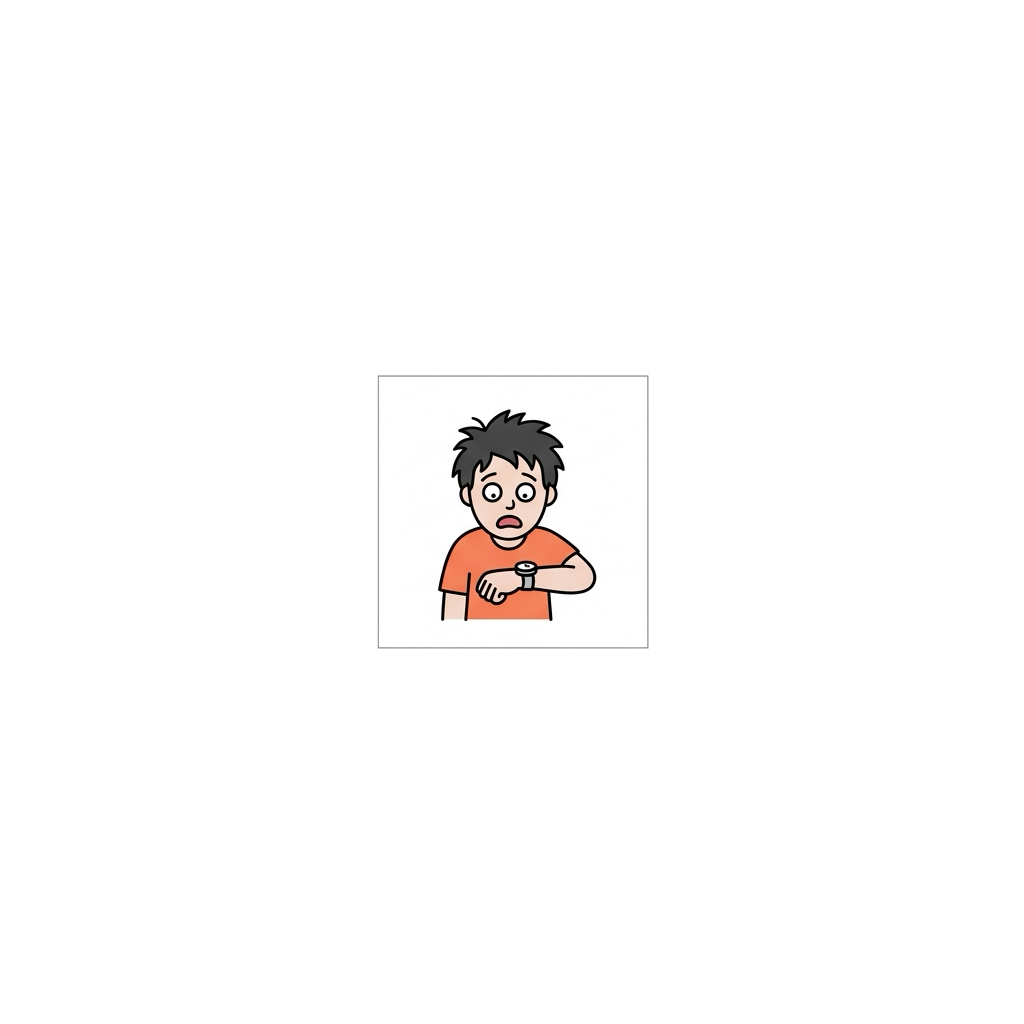
2Used to express surprise that something has happened so soon or so early.emotions
Dùng để bày tỏ sự ngạc nhiên khi việc gì đó xảy ra quá sớm hoặc quá nhanh.
“Is it 10 o'clock already?”
“Đã 10 giờ rồi cơ à?”
- Are you quitting already?
- Have you finished the book already?
- Are you planning a summer trip already? It’s only September!
Khi muốn diễn tả sự ngạc nhiên, 'already' thường được đặt ở cuối câu hỏi. Trong tiếng Việt, chúng ta hay thêm từ 'cơ à' hoặc 'sao' để tăng sắc thái ngạc nhiên.
3Used to emphasize that a situation or problem exists.general
Dùng để nhấn mạnh rằng một tình huống hoặc vấn đề nào đó đang hiện hữu.
“I'm already late.”
“Tôi đã bị muộn rồi (nhấn mạnh tình trạng hiện tại).”
- It’s bad enough already – don’t make it any worse.
- We have enough problems already.
- The box is already full.
Trong ngữ cảnh này, 'already' giúp nhấn mạnh mức độ nghiêm trọng của vấn đề, tương đương với 'vốn đã' hoặc 'sẵn đã' trong tiếng Việt.
4Used after a word or phrase to show that you are annoyed.slang
Dùng sau một từ hoặc cụm từ để thể hiện sự khó chịu hoặc mất kiên nhẫn.
“Just stop already, no one feels sorry for you.”
“Thôi ngay đi, chẳng ai thấy tội nghiệp cho cậu đâu.”
- Be quiet already!
- Let's go already!
Đây là cách dùng không trang trọng, phổ biến trong tiếng Anh Mỹ. Nó tương đương với việc thêm từ 'ngay đi' hoặc 'cho rồi' để thể hiện sự bực mình trong tiếng Việt.
Word bank
Avoid mistakes
Common mistakes
I have eaten already lunch.
I have already eaten lunch.
In mid-position, 'already' usually comes between the auxiliary verb (have) and the main verb (eaten).
We are already to go.
We are all ready to go.
Don't confuse 'already' (time) with 'all ready' (prepared).
I haven't done it already.
I haven't done it yet.
Use 'yet', not 'already', in negative sentences to mean 'until now'.
Don't confuse with
Academic collocations
Words that pair with "already" in formal and academic writing
- verb
- establishexistmentionindicate
- adjective
- presentexisting
In context
Real-world examples
- daily life
I've already had breakfast this morning.
Sáng nay mình ăn sáng rồi.
Trong văn hóa Việt Nam, việc hỏi thăm đã ăn cơm chưa là một cách chào hỏi phổ biến, 'rồi' là câu trả lời ngắn gọn nhất.
- business
We have already submitted the proposal to the manager.
Chúng tôi đã nộp bản đề xuất cho quản lý rồi.
Trong môi trường làm việc tại Việt Nam, từ 'đã... rồi' khẳng định tính hoàn thành và trách nhiệm đối với công việc.
- academic
The research has already established a link between the two variables.
Nghiên cứu đã xác lập được mối liên hệ giữa hai biến số này.
Sử dụng 'đã' trong văn phong học thuật Việt Nam để nhấn mạnh các kết quả đã được chứng minh.
Notes for Vietnamese speakers
- Trong tiếng Việt, 'already' thường được dịch bằng cặp từ 'đã... rồi'. Tuy nhiên, trong văn nói, người Việt thường chỉ dùng 'rồi' ở cuối câu để biểu đạt ý này.
- Người Việt có xu hướng dùng 'rồi' để kết thúc một hành động mang tính thông báo, trong khi tiếng Anh đặt 'already' linh hoạt hơn ở giữa câu.
Etymology
Middle English: from the phrase 'all ready' meaning 'fully prepared'.
Exam levels
CEFR
A2
TOEIC
255-400
More in Vietnamese
- TFlat Dictionary (Soha)
Cung cấp các ví dụ thực tế và cách sử dụng already trong nhiều ngữ cảnh.
- Cambridge English–Vietnamese Dictionary
Nghĩa tiếng Việt kèm ví dụ từ Cambridge Dictionary.
- VDict (Anh–Việt)
Từ điển Anh–Việt với ví dụ song ngữ.